Health & Fitness
Screenings Vital to Type 2 Diabetes Prevention
Overweight and obese Americans aged 40 to 70 should be tested every three years for diabetes as a part of a cardiovascular risk screen.

The task force, a group of medical experts who make recommendations for preventive health services, says that doing so will help detect type 2 diabetes and cardiovascular disease in its pre- and early stages when modifications to diet and exercise may be most beneficial.
This is in addition to those the American Diabetes Association say should be screened at a younger age for diabetes if they have one or more risk factor such as a parent, sibling or child with diabetes or having a history of gestational diabetes, hypertension or high cholesterol.
Find out what's happening in Port Washingtonfor free with the latest updates from Patch.
About 21 million Americans have type 2 diabetes, but there are an estimated 8 million who are undiagnosed, according to 2012 data from the Centers for Disease Control and Prevention.
“On average for type 2 diabetes or insulin-resistant diabetes, it takes usually seven years before most people feel any of the signs and symptoms,” said says Alyson Myers, MD, Medical Director of Inpatient Diabetes at North Shore University Hospital. “So you can walk around without having any symptoms and actually have full-fledged diabetes.”
Find out what's happening in Port Washingtonfor free with the latest updates from Patch.
Those symptoms include:
- Frequent urination – Insulin helps move glucose (sugar) needed for energy into the body’s cells. If your body can’t produce this hormone or makes too little insulin, glucose can’t enter the cells and it builds up in the bloodstream. This causes water to be pulled from the body’s tissues leading to a loss of both sugar and water by urination. Increased thirst – Water and sugar being urinated out at an increased rate leaves you dehydrated and thirsty.
- Unexplained weight loss – As you’re urinating sugar, you’re also flushing out calories. Once the diabetes is controlled, you’ll gain your weight back.
- Blurry vision – Changes in the fluid shifts in the body affect the eye vessels. When the glucose is controlled, vision usually returns in a couple of weeks.
- Slow healing of cuts and bruises – Diabetes impairs multiple cells that are needed for your body’s immune system.
- Tingling or numbness in hands or feet – High levels of glucose can irritate nerves in the extremities. Over time, this can cause all loss of sensation.
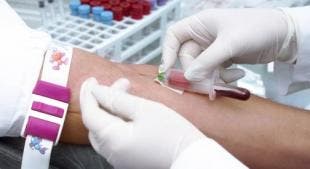
“If you start to notice these symptoms all of a sudden, it may be a sign that you have diabetes, so it would be imperative to go see your primary care or family doctor to get screened,” said Dr. Myers. “This requires a blood draw at a lab for testing in order to make a diagnosis.”
To see a video about this, click here: http://bit.ly/1S009fT