Health & Fitness
Women's Alternatives to Power Morcellation
However, the minimally invasive method fell out of favor during the past year.

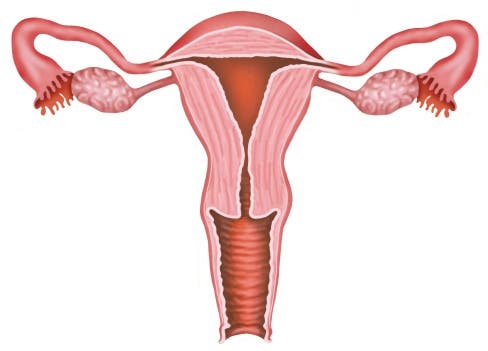
Power morcellation used to be a standard treatment for hysterectomy (removal of the uterus) or myomectomy (removal of uterine fibroids). However, the minimally invasive method fell out of favor during the past year.
Responding to media reports and new data in peer-reviewed medical journals, the FDA issued a safety warning in April 2014 against power morcellation for hysterectomy and myomectomy because “it poses a risk of spreading unsuspected cancerous tissue, notably uterine sarcomas, beyond the uterus.”
Leiomyosarcoma, a cancerous tumor sometimes found in uterine fibroids, is highly aggressive yet difficult to diagnose. Originally estimated to occur in less than one in 1000 patients, recent retrospective studies show its prevalence may be closer to one in 350 patients.
Find out what's happening in Port Washingtonfor free with the latest updates from Patch.
For patients with leiomyosarcoma, power morcellation could spread the cancerous tissue within the abdomen and pelvis, significantly decreasing the likelihood of long-term survival. Last November, the FDA recommended against power morcellation for peri- or post-menopausal patients and any patients with known or suspected malignancy.
Many Other Solutions
Current limitations and information about potential risks of power morcellation for hysterectomy or myomectomy have certainly raised concern. However, there are numerous alternative techniques that avoid many of the risks of power morcellation in case a malignancy is found.
Find out what's happening in Port Washingtonfor free with the latest updates from Patch.
Women who need gynecologic surgery should continue to consider minimally invasive techniques as their best option. The procedures offer:
- shortened hospital stays;
- decreased use of pain medications;
- rapid return to normal activities; and
- most importantly, fewer incidents of major complications (including mortality) compared to traditional open surgery.
Because of these advantages, gynecologic surgeons use minimally invasive techniques such as vaginal-approach, laparoscopic and robotic in more than 50% of their patients. If you have a gynecologic condition that requires surgery, discuss all appropriate treatments with your physician.
North Shore-LIJ’s minimally invasive and robotic gynecologic surgeons deliver uncompromising care that helps patients return to their presurgical pace. Several of our hospitals are certified as Centers of Excellence in minimally invasive gynecologic surgery by the AAGL (American Association of Gynecologic Laparoscopists) and the Surgical Review Corporation.
This post was written by Michael Nimaroff, MD, vice chairman of obstetrics and gynecology at North Shore University Hospital.
For more North Shore-LIJ Health Blog posts, go to http://blog.northshorelij.com/
Contents of the health blog are the property of North Shore-LIJ Health System and are provided as a health resource for consumers, health care professionals and members of the media. The medical content on the North Shore-LIJ Health Blog is for informational purposes only and should not be considered a substitute for consultation with your physician regarding diagnosis, treatment or any other form of specific medical advice. These materials may be reprinted for noncommercial personal use only. “North Shore-LIJ Health System,” “North Shore-LIJ,” “northshorelij.com,” “VivoHealth,” their related entities and logos are trademarks of the North Shore-LIJ Health System. Copyright © 2011 North Shore-LIJ Health System. All rights reserved.