Politics & Government
Ethanol Clean Up Scheduled at DPW
Replacement of tanks will cost village up to $400k, officials say.

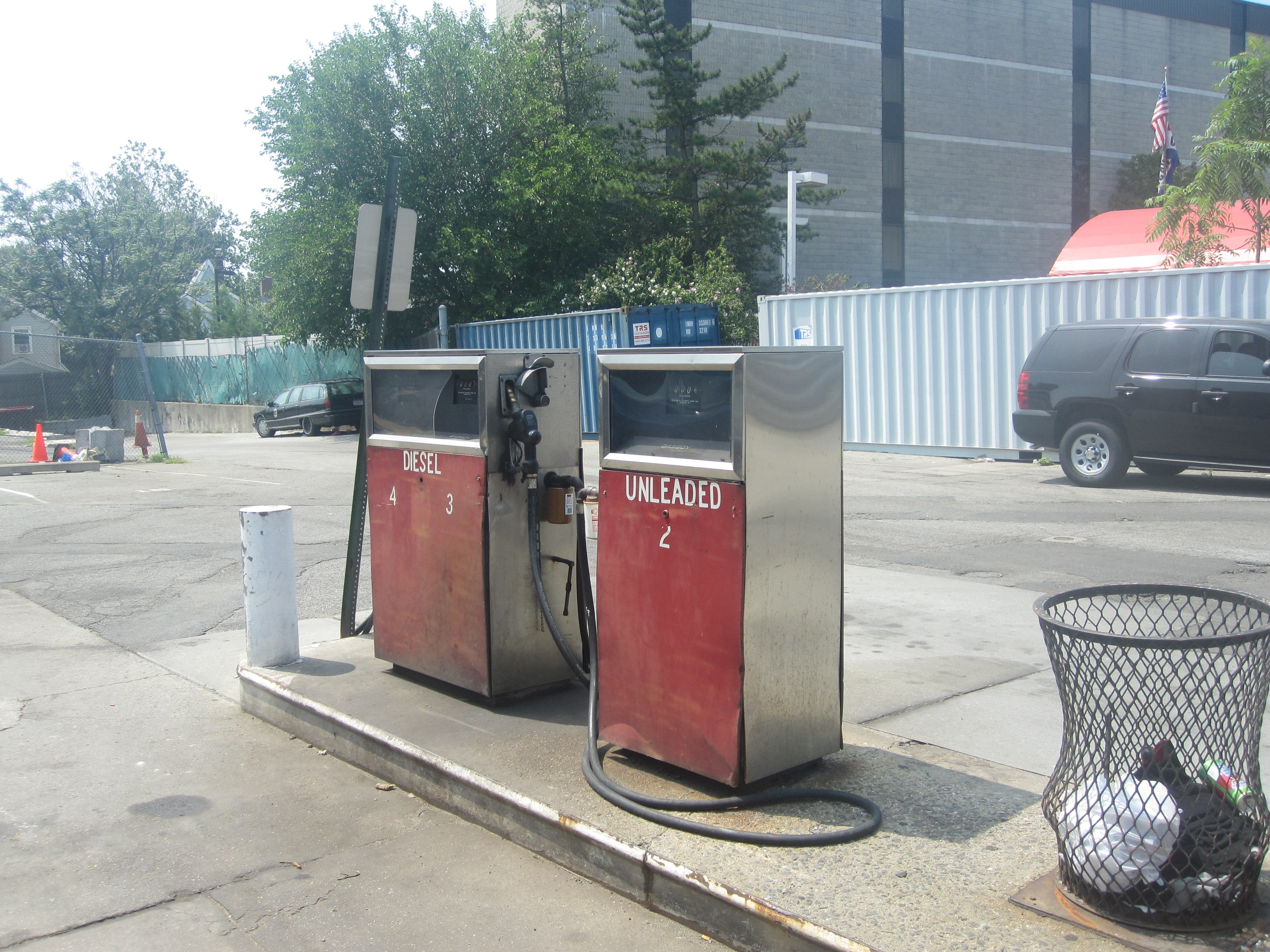
A decade after ethanol was first discovered on the grounds of Rockville Centre's Department of Public Works, clean up and replacement of several contaminated gas tanks and test wells will occur as soon as this month. It will cost the village between $300,000-$400,000, village officials said.
Village spokesman Jeff Kluewer explained the past contamination issue and why the cleanup was postponed.
"The three tanks were originally scheduled for replacement in early 2010," Kluewer said. "For various reasons, the start date was put off to August. The [Department of Environmental Conservation] wanted new samples."
Find out what's happening in Rockville Centrefor free with the latest updates from Patch.
Six test wells at the DPW were sampled in mid-May and reported to the state DEC in June, Kluewer noted, and one well showed a trace of ethanol, a constituent of gasoline.
On a subsequent DEC visit, officials didn't detect any odor or surface sheen in any of the six wells, he added, and it's not requiring the village to do anything about the one positive sample except to proceed with the scheduled replacement of the three tanks.
Find out what's happening in Rockville Centrefor free with the latest updates from Patch.
"Nothing has been determined as hazardous," noted DPW Superintendent Harry Weed. "The process of replacing the tanks takes about six to eight weeks."
Bill Fonda, a spokesman for the DEC, explained when the leaks occurred and how it was initially handled.
"The first gasoline tank had a piping leak that was discovered in late 1999 or early 2000," he said. "The tank was emptied and filled with concrete. A leak in the piping on the fill box of the second gasoline tank was discovered in September 2008. This tank was also pumped dry and taken out of service."
All three single-walled tanks will be removed and replaced with double-walled tanks, Fonda said, and as part of that project, the soil where the leaks occurred will be removed and replaced, and a new concrete bed for the tanks will be laid down.
Fonda also explained the DEC's involvement in the cleanup and assuaged any concerns over public safety.
"The DEC will be on scene when these tanks are removed," he said. "If DEC staff determine that soil needs to be removed during this tank removal operation, then they will order the soil removed...This spill is unlikely to pose a threat to any public water supply."