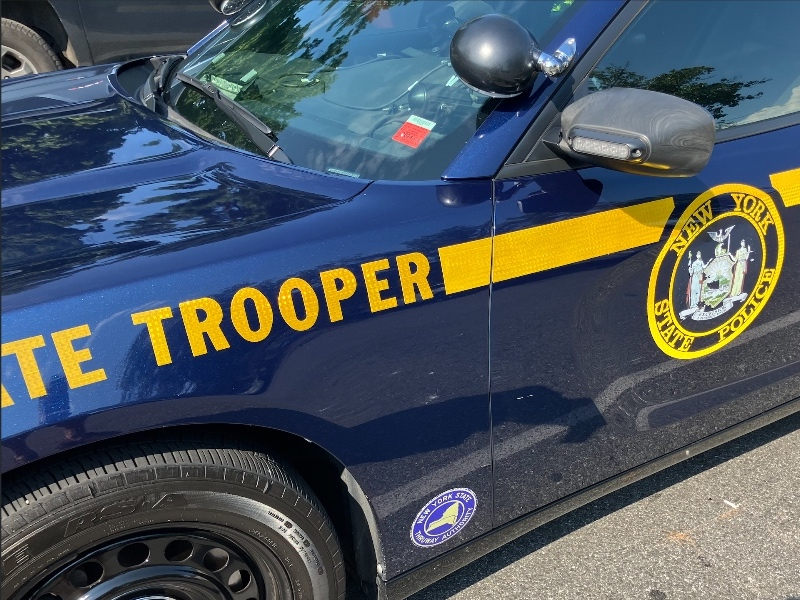
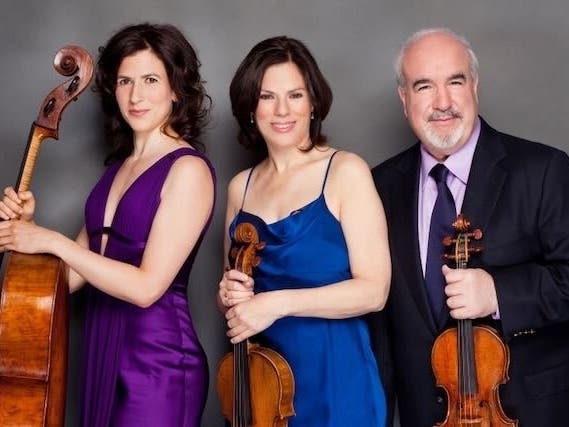
(A new national poll backs up what most here in Westchester County and our City of Rye already believe - party bosses rig elections denying voters who demand reform any real choice. Exhibit A is likely above.)
Find out what's happening in Ryefor free with the latest updates from Patch.
More voters than ever now say U.S. elections are rigged to favor incumbents and are unfair to voters.
A new Rasmussen Reports national telephone survey finds that 48% of Likely U.S. Voters now say American elections are not fair to voters, up from 46% in April and the highest finding in surveys since 2004. Thirty-nine percent (39%) think elections are fair, but 14% are not sure. (To see survey question wording, click here.)
Find out what's happening in Ryefor free with the latest updates from Patch.
That could be in part because 68% think members of Congress nearly always get reelected, not because they do a good job, but because elections are rigged to benefit incumbents. That, too, is up from April and a new all-time high. Just nine percent (9%) think Congress members are reelected because they do a good job representing their constituents. Twenty-three percent (23%) are not sure.
The Declaration of Independence says that governments derive their authority from the consent of the governed, but just 19% of voters think the federal government today actually has that consent. Sixty-two percent (62%) do not think the federal government has the consent of the governed, while 19% are undecided. This is consistent with surveying for the past four years.
Only seven percent (7%) of voters think the average representative in Congress listens to the voters he or she represents the most, the most pessimistic finding yet, while 83% think representatives listen to party leaders in Congress the most.
Fifty-two percent (52%) believe a random group of people selected from the phone book could do a better job of running the country than the current Congress. This marks the first time that number has surpassed the 50% mark. One-in-three voters (30%) disagree, but 18% are undecided.
The survey of 1,000 Likely Voters was conducted on July 9-10, 2014 by Rasmussen Reports. The margin of sampling error is +/- 3 percentage points with a 95% level of confidence. Field work for all Rasmussen Reports surveys is conducted by Pulse Opinion Research, LLC. See methodology.