Health & Fitness
First West Nile-Infected Mosquitoes Of The 2026 Season Found In Westchester
About 1 out of every 150 people infected with West Nile virus develop a serious, sometimes fatal illness, according to the CDC.


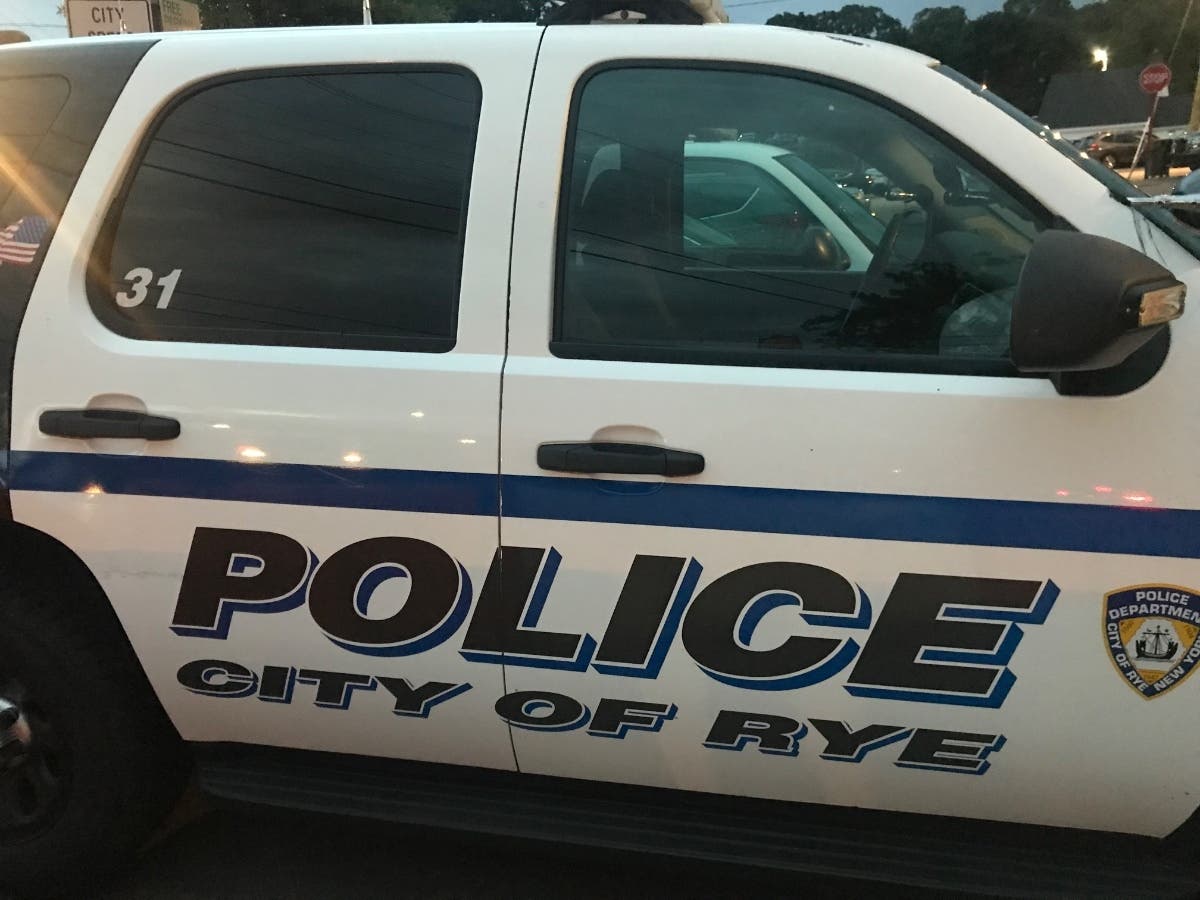
RYE, NY — The Westchester County Health Department announced on Thursday that the season's first batch of mosquitoes carrying West Nile Virus in the county was identified in Rye.
To date, these are the first positives out of 61 batches of mosquitoes collected by the health department from 30 traps throughout the county that were tested for West Nile Virus by the New York State Department of Health.
The county provided a video for tips on how to reduce the mosquito population near you and with information about the health department's role in mosquito monitoring:
Find out what's happening in Ryefor free with the latest updates from Patch.
Additional information can be found on the West Nile Virus page.
"This is a seasonal reminder that mosquitos thrive in hot water, especially at sunrise and sunset, so be sure to protect yourself and your family by using repellents, especially when many mosquitoes are active," Westchester County Health Commissioner Dr. Sherlita Amler said. "Apply sunscreen first, and repellent second, and wash them both off before bed."
Find out what's happening in Ryefor free with the latest updates from Patch.
Symptoms of West Nile virus include fever, headache, body aches and joint pain, but can be more serious for people 60 and older, and those with underlying medical conditions.
The Health Department offered tips for avoiding mosquito bites and the West Nile virus:
- Avoid the outdoors in the late afternoon and early evening when mosquitoes are active and feeding, or use insect repellents then and follow the label instructions.
- Adults can use insect repellents with up to 30 percent DEET on infants over two months of age by applying the product to their own hands and then rubbing it onto their children, avoiding their children's hands, eyes and mouth.
- Wear long pants, long-sleeved shirts and socks when outdoors, especially in areas where mosquitoes are active and feeding.
- Check around your property for anything that can hold water, and pour it out or put it away.
- Check and remove standing water from children's toys and play houses left outside.
- Remove discarded tires.
- Drill holes in the bottoms of all recycling containers that are left outdoors.
- Turn over plastic wading pools, buckets and wheelbarrows when not in use.
- Change the water in birdbaths at least twice weekly.
- Keep storm drains and gutters clear of leaves and debris.
- Continue to chlorinate swimming pools, outdoor spas and hot tubs until properly winterized or drained for the season. Also, if not chlorinated, drain any water that collects on their covers.
Get more local news delivered straight to your inbox. Sign up for free Patch newsletters and alerts.