Business & Tech
Nuevo Latin Cuisine at Port Chester’s Sonora
Sonora Restaurant in Port Chester puts a contemporary spin on traditional Latin cuisine.


Port Chester features many diverse eateries.
One such place is the South American-inspired Sonora Restaurant. Columbian- born Chef Rafael Palomino opened Sonora in 2000, and also owns and runs a slew of other restaurants, including Pacifico in New Haven, that serves Latin-influenced fare.
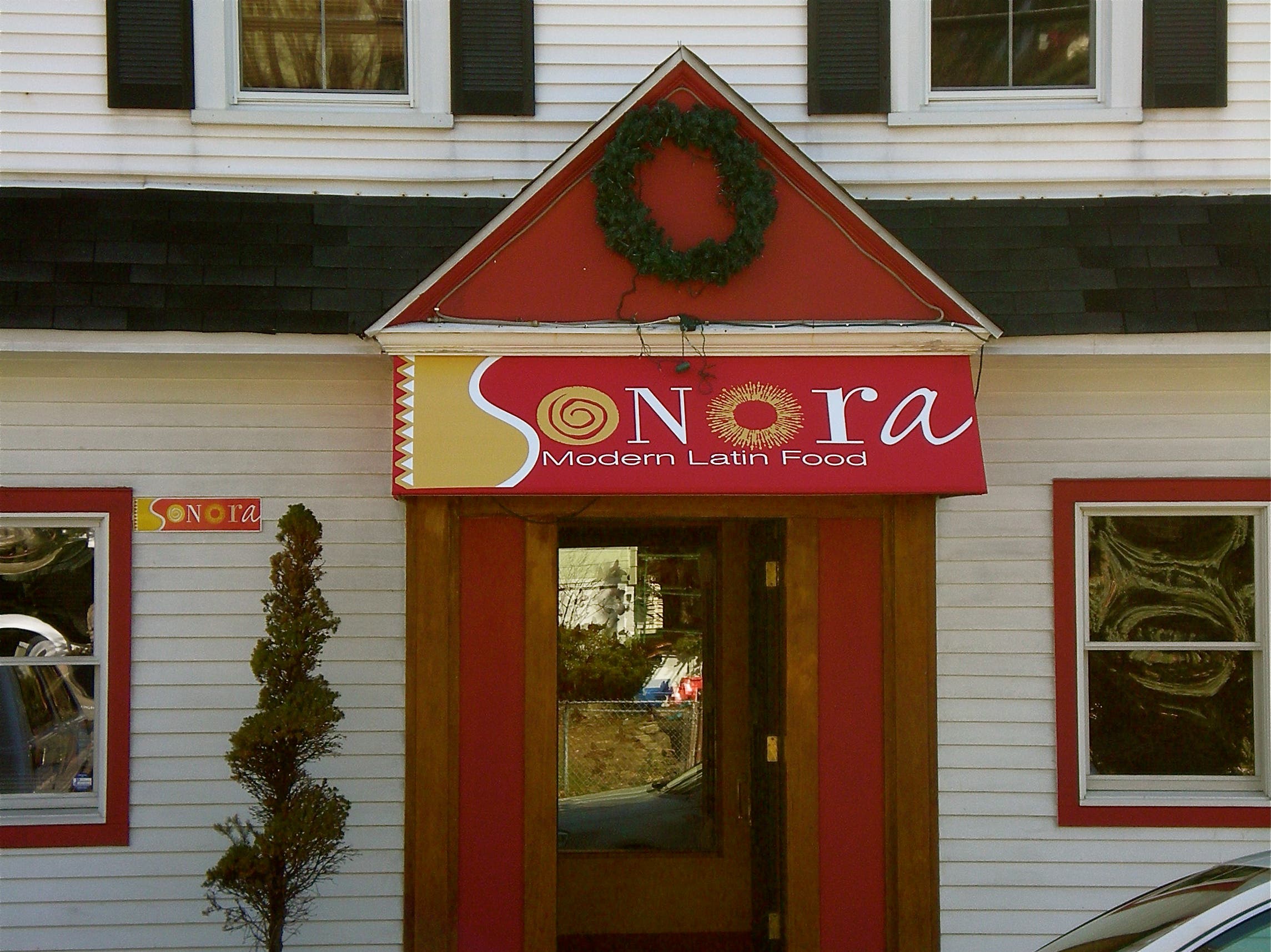
North of the downtown hub that is Port Chester, Sonora sits in a quaint white house with red awning on Rectory Street. The restaurant's Aztec-style contemporary art and azure ceilings give the feeling of dining in a sandy oasis. If lunch had been an evening affair, I would have chosen a margarita or mojito from the extensive cocktail selection. But as it was noon, I sought a south-of-the-border vibe with the Columbia beer Aguila, a light bronze Pilsner with a smooth finish.
Find out what's happening in Ryefor free with the latest updates from Patch.
As a participant of Hudson Valley Restaurant Week, Sonora offers a three-course prix-fixe lunch for the price of $20, although its daily menu is reasonable, as entrées range from $21.95 to $29.95.
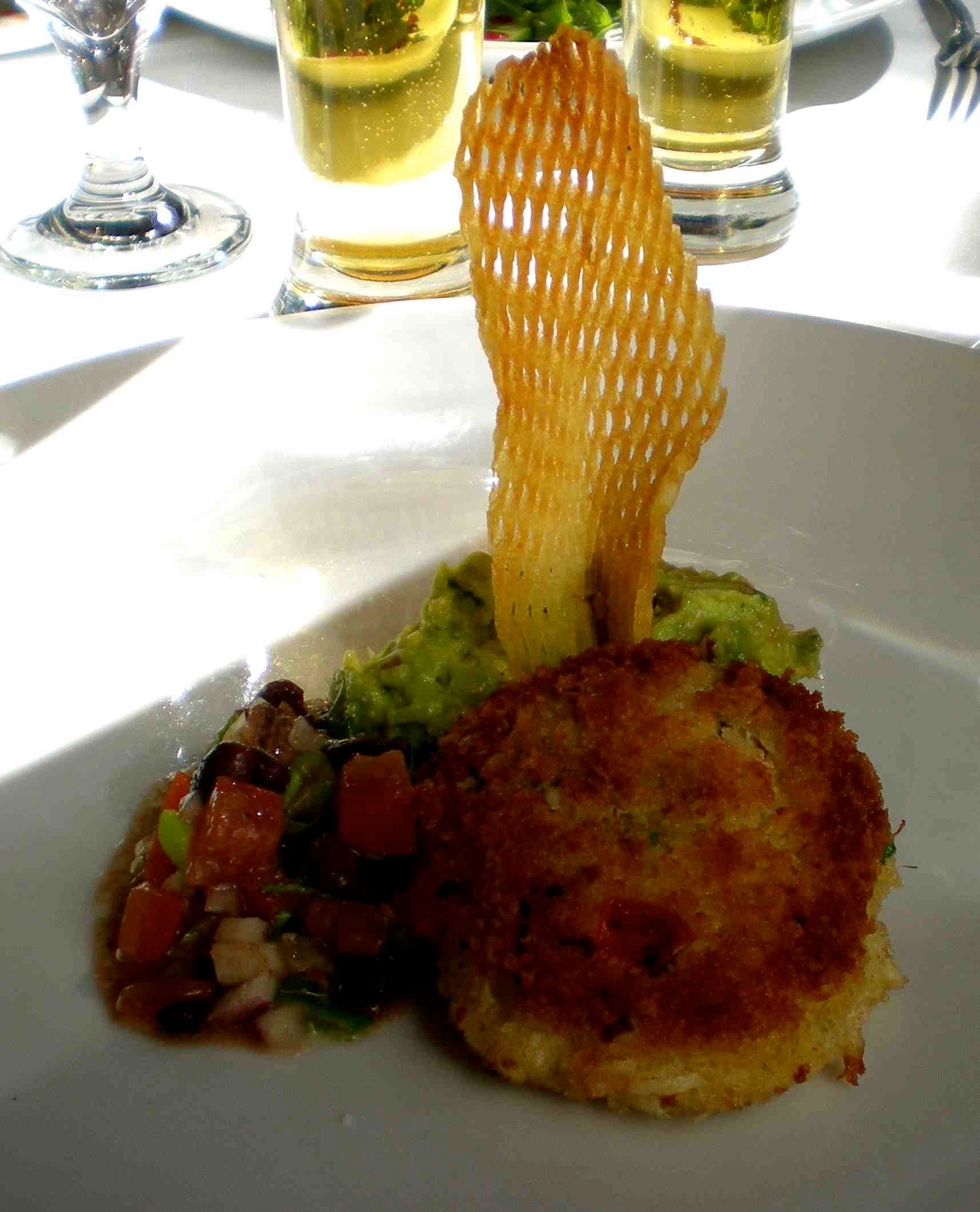
For starters, we sampled the crab cake with black bean salsa and guacamole, and the beet and avocado arugula salad. The crispy crab cake was made with fresh crabmeat, tomatoes and celery. The salsa (made prominently of black beans, tomatoes, onion, and cilantro) lacked the heat that would have complemented the sweetness of the crab. However, the presentation was stellar–a homemade waffle potato chip rose up from guacamole like an edible flag. The arugula salad–a palate cleanser–was like a secret garden. Hidden beneath the hill of greens was a heap of cubed avocado and beets–like golden and purple buds. The beet vinaigrette coated the salad, but got lost in the wilderness.
Find out what's happening in Ryefor free with the latest updates from Patch.
For our platos principales, we chose the grilled salmon with quinoa Tabouleh salad and the vegetable paella. The salmon–a moist, medium-rare filet–was dressed in a subtle saffron garlic reduction. The highlight of the entrée was the Peruvian-inspired Tabouleh salad. The nutty quinoa was juxtaposed with sweet plantains and sautéed spinach. A traditional Spanish dish, the vegetable paella was presented with pomp and circumstance. The Valencia saffron rice, accompanied by asparagus, wild mushrooms, artichokes, spinach, and roasted peppers, was in a circular nest of fried spaghetti-thin potatoes. Spears of half-cooked carrots, asparagus, and zucchini stood upright atop the rice–giving the dish the appearance of a golden crown. While the paella let the flavors of the vegetables shine, the only interesting seasonings were the Kalamata olives, adding a Mediterranean flair.
Like the restaurant's pastel and desert-colored décor, traditional South American spice and zest that is so often associated (and expected) of Latin cuisine was mute. While the dishes were tasty and perfectly cooked, a special oomph was missing. One might go so far as to wonder if the chef was trying to Americanize Latin cuisine by refraining from using bold seasonings like chili or jalapeños.
The architectural triumph of the food's presentation could not go unnoticed and dessert proved to be no different.
The Columbian flourless chocolate cake and the dulce de leche cheesecake were each served with an exceedingly large spoon-shaped cookie jabbed into the cake as though ready for a giant to partake. While the vertical display was striking, there seemed to be just as much hullabaloo on the plate's horizontal plane. Silky Cabernet sauvignon sorbet complemented the chocolate cake's rich flavor, and Sonora's signature dulce de leche cheesecake was densely whipped and sweet–as is traditional of Latin American desserts. A strawberry, mint leaf, guava sauce, ice cream, and yet another crispy cookie all accompanied each dessert. A sundry fiesta of sweetness presented for all predilections.
The tastiest part of the meal was the complementary chimichurri–a tapas of puréed sun-dried tomatoes, roasted red peppers, ginger, garlic, and olive oil–served with toasted bread. It seems the greatest success occurred when the fresh and distinct flavors of simple foods were left to shine on their own–without the bells and whistles of presentation.
I must note that a leisurely lunch at Sonora ended-up being an enjoyable experience as there was impeccable service and a buzzing atmosphere (the dining room was half-full), in addition to the innovative cuisine. Encompassing such diverse regions as Mexico, Columbia, Cuba, Argentina, and Peru, the Nuevo Latin cuisine at Sonora blends together style, texture and culture. Yet one question remains: Does this contemporary Latin food movement prize flashy fare over traditional tastes? The answer, it seems, lies somewhere between South America and Port Chester.
Sonora Restaurant, 179 Rectory Street, Port Chester, NY, (914) 933-0200. Hudson Valley Restaurant Week runs from March 15th through March 28th.