Weather
Does It Feel Like Spring On Long Island With The Arrival Of The Vernal Equinox?
See What Forecasters Are Saying About Spring Conditions For Long Island


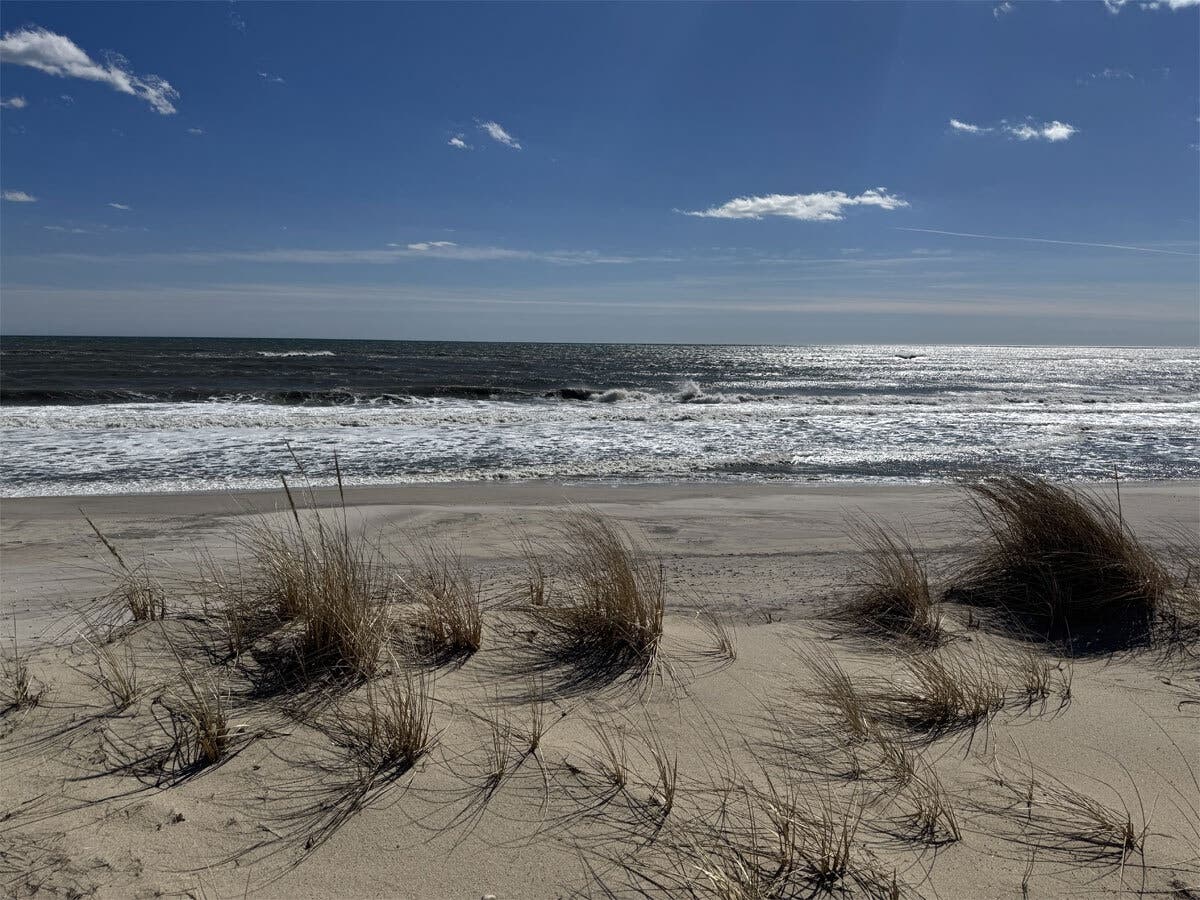
LONG ISLAND, NY — As the first day of spring rolled around on Friday, it looked like spring, and the birds were chirping on Long Island, but it still kind of felt like winter.
The vernal equinox at 9:46 a.m. Eastern Daylight Time on Friday signals the astronomical start of spring, yet meteorological spring began on March 1.
So what does that mean?
Find out what's happening in Sachemfor free with the latest updates from Patch.
Although the definition of the first day of spring varies, the arrival of milder weather often provides a significant psychological lift, acting as a natural, symbolic, and physiological reset point.
Here’s a look at what various forecasts say about spring on Long Island:
Find out what's happening in Sachemfor free with the latest updates from Patch.
Accuweather: Temperatures are forecast to rise into the 50s on Friday, and may hit 60 Saturday, then despite some clouds and rain, could possibly climb well into the 60s on Sunday.
The Weather Channel: April will see a shift with some warm weather arriving with above-average temperatures coming for the northeast in May.
The Old Farmer’s Almanac: Warmer-than-average temperatures are predicted for a lot of the U.S.
5 Things To Know About The Equinox
The date of the vernal equinox changes because Earth’s orbit around the sun takes around 365.25 days, not the 365 days in a standard calendar year. This “extra” quarter-day causes the equinox to occur roughly six hours later each year, a shift eventually corrected by leap years, resulting in a fluctuating date.
1. During the equinox, will we have equal hours of day and night?
No, according to National Geographic, although they’re close. Days of nearly equal daylight and nighttime always fall before the spring equinox and or autumnal equinox — that’s on Sept. 23 this year — and then it depends on where you are on the planet.
So, when the sun passes over the equator on March 20, the day will be a little longer than the night, no matter where you are.
2. Does the sun rise due east and set due west at the equinox?
Yes, it does, no matter where you are on Earth. If you’re directionally confused, or downright dysfunctional, this is a good time of year to find due east and due west, according to Earthsky.org, which advises: “Just go outside around sunset or sunrise and notice the location of the sun on the horizon with respect to familiar landmarks.”
Your clarity won’t last, though, as the direction of the sun will shift as the season progresses.
3. During the equinox, can you stand in the direct sun and not cast a shadow?
The sun’s new angle during the equinox will change the length of your shadow, but conditions would have to be perfect for this to happen. For example, you’d have to be standing right at the equator when the clock strikes noon to avoid casting a shadow, according to The Old Farmer’s Almanac.
4. Can you really stand an egg on its end at the exact moment spring arrives?
Yes, but no more so on the first day of spring than on any other day, according to “The Bad Astronomer,” Philip Plait, who compares the egg standing myth to “an extremely contagious virus.” Plait, an American astronomer, skeptic, writer, and popular science blogger, says the reason eggs can be balanced on one end most likely has to do with tiny bumps on the shell on the end that “act like little legs holding the egg up.”
5. Does spring really make people more amorous?
Uhm, no, according to the Science of Relationships, which says sexual drives and mating behaviors follow six-month cycles. So, you’re most likely to feel the urge to go forth and procreate, or at least practice for it, in the winter and spring.
Get more local news delivered straight to your inbox. Sign up for free Patch newsletters and alerts.