Neighbor News
Beating Insomnia Without Meds -- Getting Quality ZZZs with BrainCore Neurofeedback Training
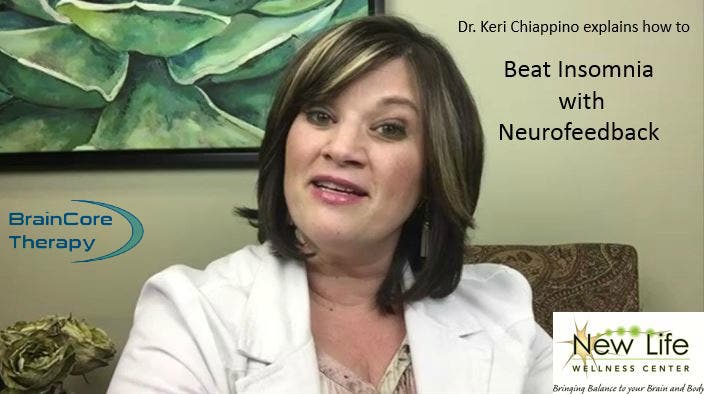
Dr. Keri Chiappino explains how BrainCore neurofeedback therapy helps the brain achieve the restorative sleep needed to ward off Alzheimer's

Restorative sleep is critically important to health, yet in our busy society it’s one of the things that often gets placed on the back burner. Lack of solid shut eye is attributed to a host of disorders, from weight gain to depression to stroke risk. Experts have long suspected a tie between sleep deprivation and Alzheimer’s, a progressive neuro-degenerative disease that destroys memory and other crucial cognitive function. Studies show that while our body is in a deep restful state, the brain’s “glymphatic system” is actually busy at work recirculating cerebrospinal fluid to clear out harmful amyloid plaques that cause brain cell deterioration seen in Alzheimer’s patients.
Insomnia takes a toll on the body and affects a person’s quality of life, draining energy levels, dampening mood and affecting work performance. Sleeping aids that are so widely advertised can actually be counterproductive as they do not drive the brain into the deep sleep stages required for a neurotoxic cleanse. Additionally, those who take sleeping medications often find that they quickly build a tolerance to the drug, requiring higher doses to achieve the same sleep-inducing effect. Side effects like next-day drowsiness, headaches and dizziness as well as “rebound insomnia” when ceasing the drugs are often common problems.
Tips for Attaining Restorative Sleep Naturally
Encourage better sleep patterns naturally. Exercise earlier in the day to help destress and actually promotes a deeper sleep. Establish and stick to a bedtime routine: go to bed and get up the same time every day, even on weekends. Create a dark, cool (65 is ideal) and quiet resting environment, free of tv and other electronics which can interfere with sleep. Avoid alcohol. While a glass of wine can make you sleepy initially, it actually disrupts the necessary sleep stages, and causes disruptive snoring. If you must snack before bed, choose foods that help you snooze like bananas which are rich in magnesium, a nutrient that helps relax muscles. High quality magnesium supplements are also beneficial to restorative sleep.
If you are suffering from chronic insomnia, neurofeedback brain-wave training can help retrain dysregulated brain-wave patterns that often underlie sleeping disorders. Simple, painless and non-invasive, neurofeedback helps patients achieve a sustained, restorative sleep. Significant improvements in restless leg syndrome, bruxism (teeth grinding), sleep walking, nocturnal enuresis (bed wetting), sleep quality and other sleep-related issues have also been reported in patients undergoing neurofeedback brain-wave training.
Watch Dr. Chiappino’s video above to learn more about overcoming sleep issues with BrainCore neurofeedback therapy. Then, call our office to take advantage of our February special: 50% off a QEEG brain map, the first step in our BrainCore neurofeedback program for insomnia. 631.265.1223.