Community Corner
Smithtown, A History: The Legacy of the Welds
The Welds commitment to nature and preservation left our area with a stunning sanctuary.
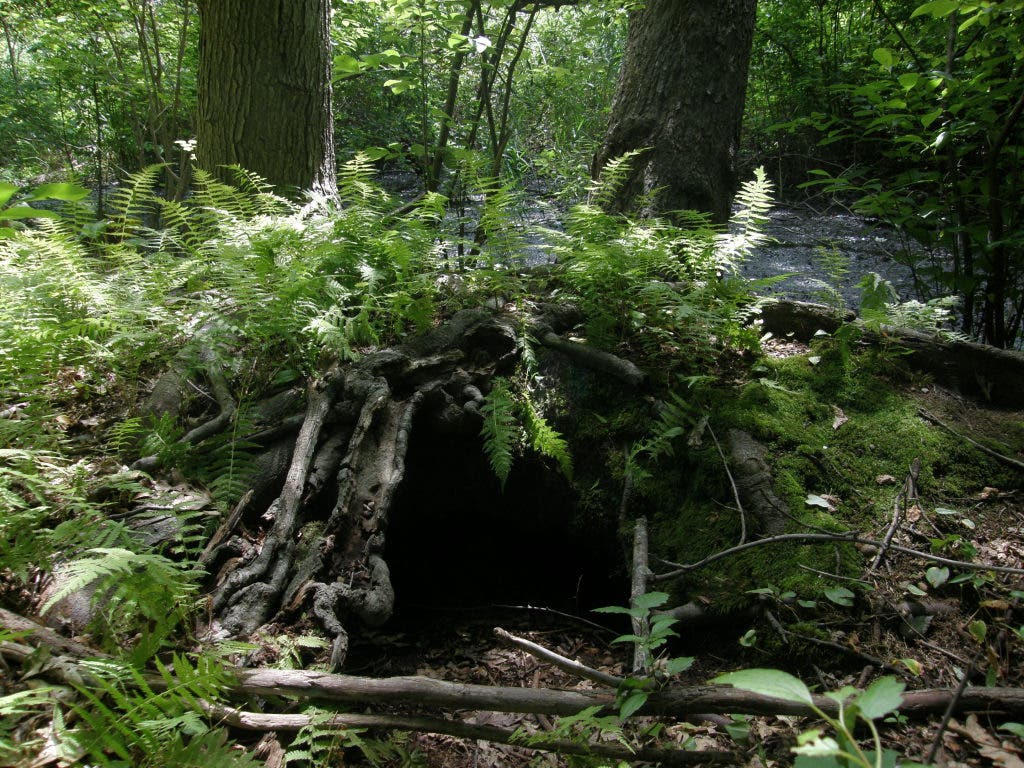


When Long Islanders visit in Nissequogue, they’re surrounded by both nature and our local history.
Operated by The Nature Conservancy, the preserve is named after its last private owner, David Weld. A partner in the investment firm of White, Weld & Co, Mr. Weld bought the land and a home on Boney Lane with his wife Mary in the 1960s. The couple previously owned the that still stands in .
The Welds bought the property from author and actress Cornelia Otis Skinner and her husband Alden Blodgett. Their son Francis (Tim) M. Weld, M.D. remembers Blodgett telling stories of how he would sneak up to a little pond on the land to shoot ducks that swam there.
Find out what's happening in Smithtownfor free with the latest updates from Patch.
To his father, this same pond was considered a sanctuary for the ducks, and he never fired a gun there. While Mr. Weld enjoyed fishing and hunting, his son said he would hunt in the wild.
“He was a paradigm of the hunter who fosters the well-being of his quarry to a far greater extent than he pursues it, and who understands the necessary balances in nature,” said Tim.
Find out what's happening in Smithtownfor free with the latest updates from Patch.
Blodgett and Skinner owned the land since the 1930s and had a cabin built on a bluff. According to Rosamond Gillespie Burns, a writer and former resident of St. James, Skinner did most of her writing at the cabin. The author and actress would write as her son and Burns would swim and sunbath.
Skinner was known for writing “Our Hearts Where Young and Gay”, “Family Circle” and “Madame Sarah” about Sarah Bernhardt. She also appeared in movies including “Stage Door Canteen”, “The Uninvited” and “The Swimmer”.
The land once belonged to descendants of Smithtown’s founder. In the early 1900s, an area was cleared for cattle and then 20 years later it was left for revegetation. Today a successional field exists with an array of wildflowers, insects and bird life.
The preserve also stands as proof that glaciers existed in the area thousands of years ago. Preserves Manager Derek Rogers said the shoreline along the Long Island Sound at the sanctuary contains large boulders that were deposited by receding glaciers. There are also kettle holes that can be found at David Weld’s that were formed from large blocks of glacial melts.
Rogers said, “The glaciers carved the hills and bluff and also deposited the source of the hardwood forest that exists at The David Weld Sanctuary.
According to Rogers, visitors will find gigantic tulip trees, red maples, spicebush and northern arrowwood in the sanctuary's woodland.
In 1969 the Welds donated 42 acres to The Nature Conservancy. After Mr. Weld died in 1972, his wife donated the rest of their property. Neighbors of the couple also contributed land and the sanctuary now totals 125 acres.
Tim said, “Our parents were unflinching in their commitment to preservation of the land they owned for the generations of Long Islanders to follow.”
Open Sunday through Saturday, visitors can enjoy The David Weld Sanctuary from dawn to dusk.