Health & Fitness
New York Unveils New Plan To Control Ticks
More than a dozen tick-borne illnesses have been identified by the CDC, including five that infect residents in the Hudson Valley.


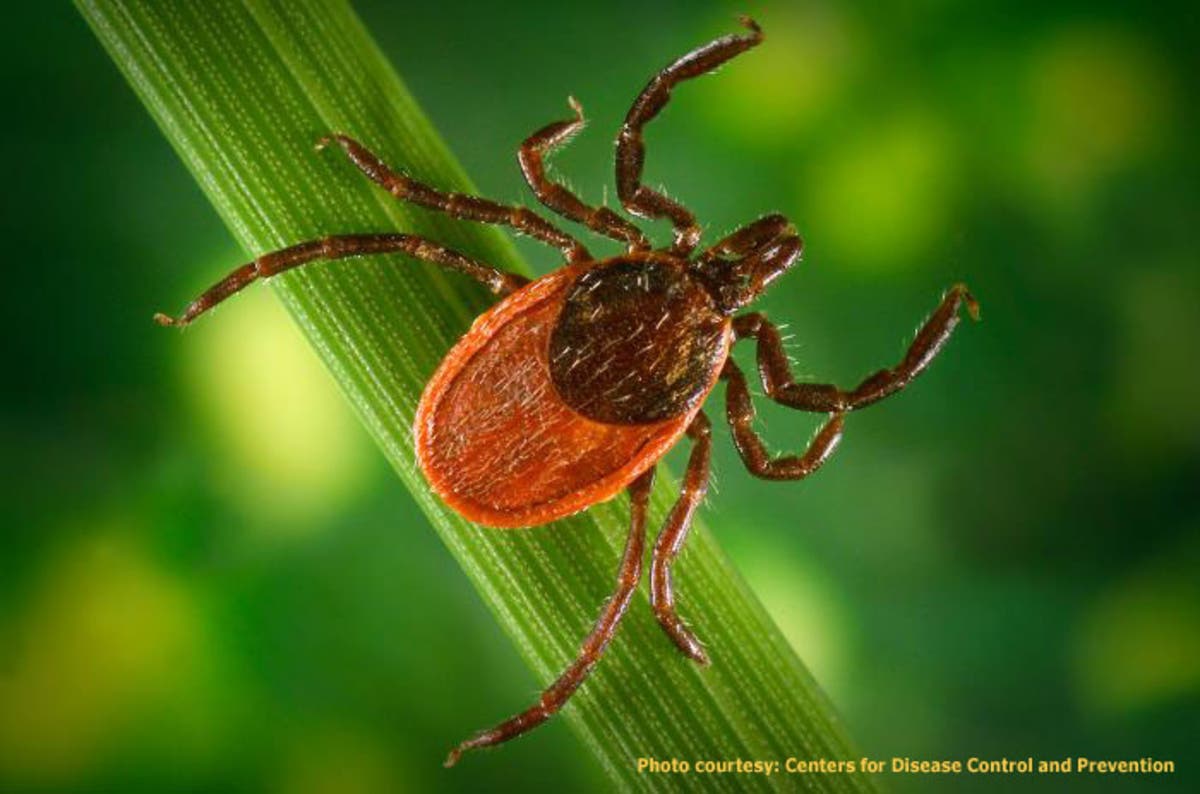
New York State, which has some of the highest numbers of disease cases from ticks in the U.S., unveiled a statewide tick-borne disease control plan in May. Details include expansion of tick control methods on public lands; increased education aimed at hikers, hunters and others at high risk; and a charge to the state Department of Health to pursue research partnerships to develop better diagnostic tests.
A summit will be held this summer to advance the necessary research on Lyme and other tick-borne illnesses as part of this new state initiative.
From 2004 to 2016, New York's reported tick disease case numbers totaled 69,313, second only to Pennsylvania with 73,610, according to statistics from the Centers for Disease Control and Prevention.
Find out what's happening in Southeast-Brewsterfor free with the latest updates from Patch.
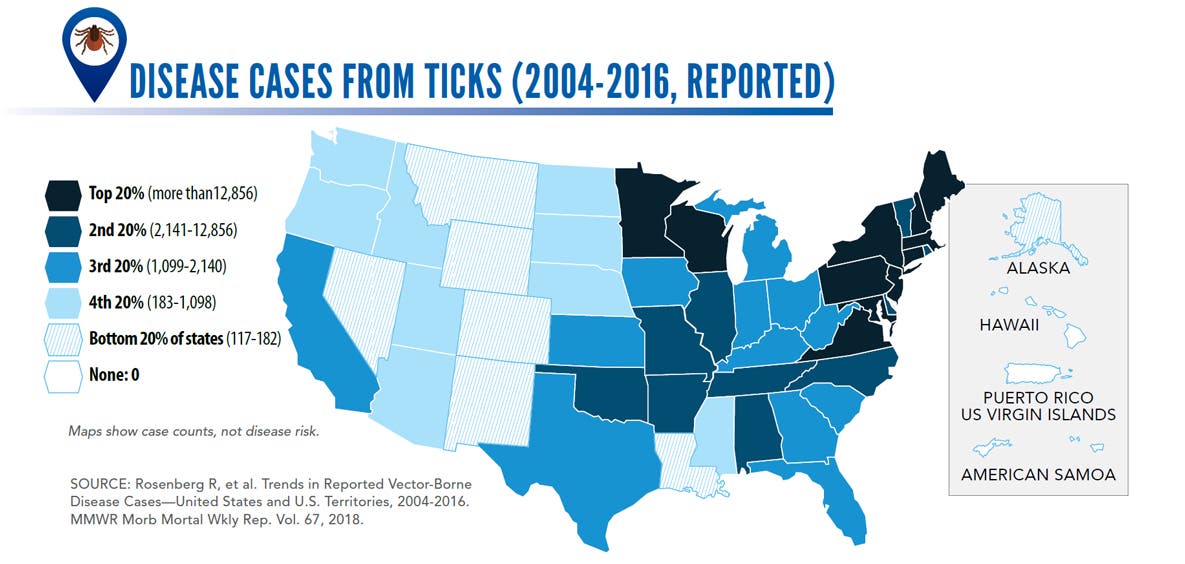
More than a dozen tick-borne illnesses have been identified by the CDC, including five that infect residents in the Hudson Valley. Lyme disease is the most common and the most well-known, but anaplasmosis, ehrlichiosis and babesiosis are increasing as well. Powassan disease, a rarer and potentially deadly infection, is also carried by the same black-legged tick, or “deer tick,” that transmits Lyme disease, anaplasmosis and babesiosis.
Environmental methods to reduce tick populations continue to be studied and their use will be expanded under the new NYS control plan. These techniques include dosing the deer and rodents that carry ticks with “tickicide” and application of eco-friendly tick-control treatments to parkland in the Hudson Valley.
Find out what's happening in Southeast-Brewsterfor free with the latest updates from Patch.
In some cases, permethrin-treated cotton balls which rodents use for nesting material will be used to kill ticks in the larval stage when they attach to the mice; in others a “tick control box” will apply the dog and cat preventative medicine fipronil to the rodents after they enter the box looking for bait.
Additionally, the use of “tickicide” in feeding stations for the white-tailed deer will be expanded. This involves setting up rollers in a feeding station that brush tick insecticide on the deer as they eat. These stations are being used successfully in state parks on Long Island.
Lyme is endemic to the Hudson Valley. Almost everyone knows, or has heard of, someone who has had Lyme disease, said Putnam County Executive MaryEllen Odell.
“Part of Putnam’s charm comes from our abundant natural landscape of lakes and wooded areas,” Odell said. “With this country terrain, comes wildlife and insects, and unfortunately the diseases they carry. This state support announced by Governor Cuomo is much needed and appreciated on the community level. On the personal level, it’s also important for all our residents to learn about and take basic precautions.”
These are the two essential preventive measures, said Putnam's Interim Health Commissioner Michael J. Nesheiwat, MD:
- Apply repellent consistently. Repellents should contain 20 percent or more of DEET (chemical name, N,N-diethyl-meta-toluamide).
- Perform frequent tick checks.
Testing for Lyme disease is currently challenging.
If a blood test is performed too early, the results may come back negative even though the person is really infected. The test is most accurate a full week after the suspected bite so that a person’s antibodies have risen enough to be detected. A physician makes the final diagnosis based on a combination of available tests, observation of the patient, and the patient history and description of symptoms.
Currently the only way Lyme disease can be diagnosed with certainty is when the patient has the tell-tale bullseye rash. However, this only occurs in 70 to 80 percent of infected individuals. This summer, academic institutions, local health departments and professional organizations will gather at the summit to strategize about advancing diagnosis, prevention, and other best practices.
Another challenge is that a small percentage of patients who get Lyme disease have continuing symptoms after completing treatment with antibiotics. They may complain of fatigue, joint pain or muscle aches. However the cause of these lingering symptoms is not completely understood. Sometimes this is called “chronic Lyme disease,” but the accurate medical name is “post-treatment Lyme disease syndrome.”
Residents who have been bitten by a tick and develop symptoms within 30 days should visit their healthcare provider. The most common symptoms include fever/chills, aches and pains, and a skin rash. Providers will evaluate symptoms and order diagnostic tests if indicated.
Symptoms Of Lyme Disease
(Within 3 to 30 days of tick bite)
- Fever, chills, headaches, fatigue, muscle and joint aches, and swollen lymph nodes.
- Between 70 and 80 percent of infected persons will experience a rash, usually within seven days, but for up to 30 days. The rash can expand over a period of several days, up to 12 inches or more across; it may feel warm to the touch, but is rarely itchy or painful; it sometimes clears as it advances, resulting in target or "bull's-eye" appearance; and it may appear on any part of your body. See examples.
(Days to months after the tick bite)
- Severe headaches and neck stiffness;
- Arthritis with severe joint pain and swelling, particularly the knees and other large joints;
- Facial palsy (loss of muscle tone or droop on one or both sides of the face);
- Intermittent pain in tendons, muscles, joints, and bones;
- Heart palpitations or an irregular heart beat;
- Episodes of dizziness or shortness of breath;
- Inflammation of the brain and spinal cord;
- Nerve pain;
- Shooting pains, numbness, or tingling in the hands or feet;
- Problems with short-term memory.
Source: U.S. Center for Disease Control and Prevention
Prevention tips:
- Wear light-colored clothing with a tight weave to spot ticks easily.
- Wear enclosed shoes, long pants and a long-sleeved shirt. Tuck pant legs into socks or boots and shirt into pants.
- Check clothes and any exposed skin frequently for ticks while outdoors.
- Consider using insect repellent.
- Stay on cleared, well-traveled trails. Walk in the center of trails. Avoid dense woods and bushy areas.
- Avoid sitting directly on the ground or on stone walls.
- Keep long hair tied back, especially when gardening.
- Bathe or shower as soon as possible after going indoors (preferably within two hours) to wash off and more easily find ticks that may be on you.
- Do a final, full-body tick check at the end of the day (also check children and pets), and remove ticks promptly.
- Check your pets for ticks if they're outside often. Not only can your pets get sick from tick bites, but the ticks can move from them to you.
Source: New York State Department of Health
SEE ALSO: See How Many Lyme Disease Cases In Hudson Valley Counties 2004-16
Images/ CDC
Get more local news delivered straight to your inbox. Sign up for free Patch newsletters and alerts.