Health & Fitness
High-Potassium Diet Helps Older Women Avoid Stroke
A potassium-rich diet significantly reduces the risk of stroke for postmenopausal women

A potassium-rich diet significantly reduces the risk of stroke for postmenopausal women, according to research published in Stroke, a journal of the American Heart Association (AHA). Potassium also lowers postmenopausal women’s risk of death from stroke, said the AHA.
Women have a higher lifetime risk of stroke, compared to men. It is the fourth leading cause of death in the US.
Multiple previous studies have shown that eating foods rich in potassium reduces high blood pressure, because the mineral blunts some of the harmful effects of sodium. The FDA recommends 4.7 grams per day for women (5.1 g for lactating women). Yet population studies reveal that less than 3% of women meet those dietary requirements.
Find out what's happening in Syossetfor free with the latest updates from Patch.
For the 11-year AHA study, researchers observed more than 90,000 women ages 50 to 79, monitoring their incidence of stroke and potassium intake from food (not from vitamins or supplements). Women who ate the most potassium were 12% less likely to suffer stroke in general and 16% less likely to have an ischemic stroke than women who ate the least, said the AHA. (Blood clots cause ischemic brain attacks, which account for most strokes, according to the AHA.) Women who ate the most potassium were 10 percent less likely to die than those who ate the least. The study did not take other lifestyle aspects like weight, sodium intake or smoking into account.
Chew Potassium--Don’t Gulp It!
The Dietary Approach to Stop Hypertension (DASH diet) lowers high blood pressure and reduces the risk of heart disease. Along with a recommendation of 4.7 grams of potassium per day, the DASH diet emphasizes adequate calcium, magnesium and fiber, plus a low sodium intake.
Find out what's happening in Syossetfor free with the latest updates from Patch.
The Stroke study and the DASH diet highlight the need to eat your potassium, not take it as a supplement.
It’s easy to get enough potassium because it’s in many foods. For example, red meat, chicken and fish such as salmon, cod, flounder and sardines are good sources of potassium, according to the National Library of Medicine. Other good sources are:
- nuts;
- milk and yogurt;
- soy products and veggie burgers;
- vegetables such as broccoli, peas, lima beans, tomatoes, potatoes (especially their skins), sweet potatoes and winter squash; and
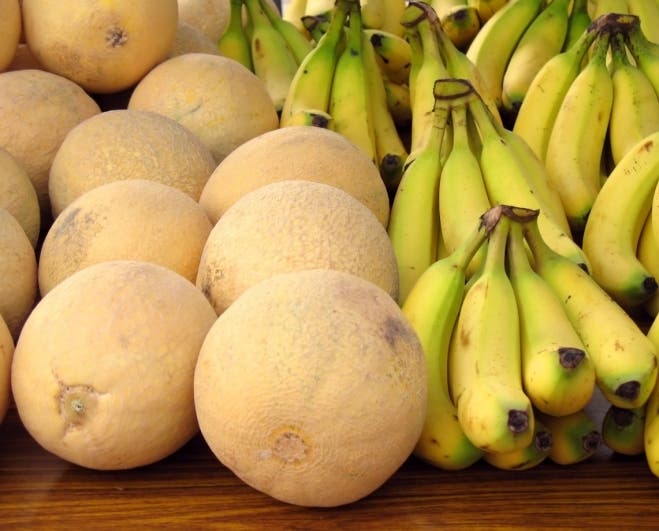
- fruits like citrus, cantaloupe, bananas, kiwi, prunes and apricots (dried apricots have more than fresh).
Most older women could benefit from increasing potassium intake, but check with your doctor. Some people have too much potassium in their blood, which is dangerous. A high-potassium diet is not recommended for those with kidney disorders.
This post was written by Sotiria Everett, RD, EdD, nutritionist at the Katz Institute for Women’s Health in the North Shore-LIJ Health System.
For more North Shore-LIJ Health Blog posts, go to http://blog.northshorelij.com/
Contents of the health blog are the property of North Shore-LIJ Health System and are provided as a health resource for consumers, health care professionals and members of the media. The medical content on the North Shore-LIJ Health Blog is for informational purposes only and should not be considered a substitute for consultation with your physician regarding diagnosis, treatment or any other form of specific medical advice. These materials may be reprinted for noncommercial personal use only. “North Shore-LIJ Health System,” “North Shore-LIJ,” “northshorelij.com,” “VivoHealth,” their related entities and logos are trademarks of the North Shore-LIJ Health System. Copyright © 2011 North Shore-LIJ Health System. All rights reserved.