Community Corner
Hurricane Season 2017 Begins; Safety Tips For Long Islanders
Are you prepared for hurricane season? Check out what you need to know in case a storm hits.


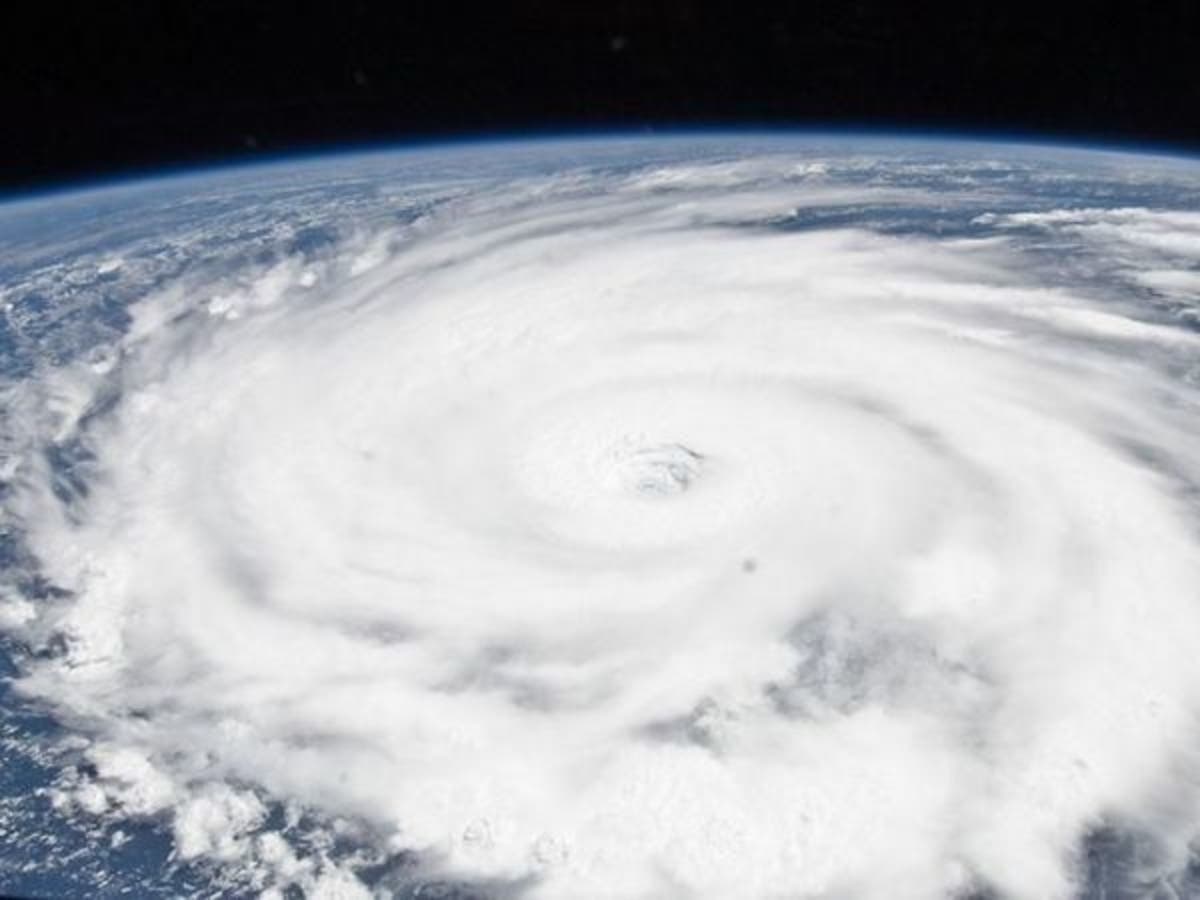
June 1st marks the beginning of Hurricane Season and Long Island officials are reminding residents to be prepared.
The Atlantic Hurricane Season runs from June to November, with peak season from mid-August to late October.
According to the National Oceanic Atmospheric Administration (NOAA)’s Climate Prediction Center, this hurricane season is expected to be an above-normal season.
Find out what's happening in Syossetfor free with the latest updates from Patch.
Watch: 'Above-Normal' Atlantic Hurricane Season Expected
This year there is 70 percent likelihood of 11 to 17 named storms, five to nine hurricanes and two to four major hurricanes (category 3, 4 or 5; winds of 111 mph or higher).
Find out what's happening in Syossetfor free with the latest updates from Patch.
An average season produces 12 named storms, six hurricanes and three major hurricanes.
“Superstorm Sandy taught us that given our location as an island, we are vulnerable to the Atlantic Ocean and susceptible to the powerful and destructive nature of hurricanes,” Nassau County Executive Edward Mangano said. “It is critical that residents be prepared for hurricane season and take all hurricane warnings seriously.”
Are you prepared? Check out safety tips courtesy of local officials below:
SAFETY TIPS FOR LONG ISLAND RESIDENTS:
The Nassau County Office of Emergency Management has outlined evacuations routes from Coastal Evacuation Areas. Residents are advised to familiarize themselves with evacuation routes and secure their property in the event of a hurricane.
Click here for more info on Coastal Evacuation Areas, evacuation routes or to learn additional hurricane preparedness information.
Residents should also create an Emergency Go-Kit, keep it by their front door in a duffel bag and include enough supplies for everyone in the household for five days, including:
- First aid kit. Pack a “how to” guide as well.
- Essential prescription and nonprescription items and medical information.
- Battery-powered flashlight and radio (or crank radio), extra batteries and a 12-hour glow stick.
- A change of clothes, plus rainwear, sturdy shoes and protective gloves for everyone.
- Personal items, eyeglasses and personal care items.
- Important documents in a waterproof container: drivers’ licenses, wills, birth/marriage certificates, insurance policies, deed or lease papers, recent tax returns, credit card and bank account numbers, Social Security cards, Passport and home inventory list.
- Make sure you have special items for infants, elderly persons, pets or loved ones with special needs.
For families that have pets, don't forget to include items for your furry friend in the Emergency kit as well.
Residents should also have a Family Emergency Plan and to practice your the at least twice a year and update it according to any issues that arise.
Click here for more information on creating a Family Emergency Plan.
Nassau residents south of Sunrise Highway or north of Route 25A should also have a sheltering plan in case they are asked to evacuate.
If you are advised to evacuate, here’s what to do:
- You should contact a friend or family member that lives outside the zone & make arrangements as this provides the most comfortable way to weather a severe storm.
- Bring your Emergency Go-Kit.
- Turn off all utilities.
- Take your most reliable vehicle and avoid taking multiple vehicles that create gridlock.
Click here to see a list of all evacuation routes.
Get more local news delivered straight to your inbox. Sign up for free Patch newsletters and alerts.