Politics & Government
Here's How Many New Yorkers Could Lose SNAP Benefits
The USDA recently issued a rule to eliminate SNAP eligibility for 9 percent of households currently participating in the program.


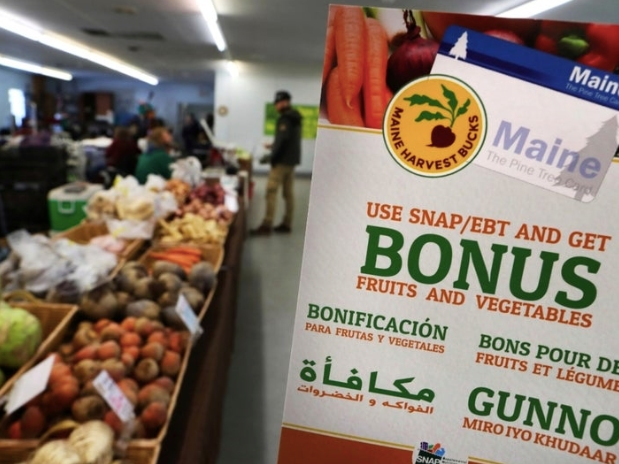
A new Trump administration plan could eliminate food stamps for some of the nation’s 36 million recipients. A new study, funded by the Robert Wood Johnson Foundation, found the expected number of households that would lose Supplemental Nutrition Assistance Program, or SNAP benefits, to be more than 3 million.
Overall, one in 10 SNAP households are slated to lose program eligibility in 20 states. Nine percent of current SNAP households nationwide would not meet the program’s income and resource eligibility requirements, and thus lose all of their benefits.
The proposed rule would have slightly less of an impact on our state than the national average. New York would lose 7 percent — or 112,646 — of its current SNAP households. Those households would lose $178 In monthly benefits.
Find out what's happening in Tarrytown-Sleepy Hollowfor free with the latest updates from Patch.
The study found that SNAP households in the state of Wisconsin would suffer the greatest loss, as 18 percent of households that used the program would lose eligibility under the new rule.
Here are the five states that would lose the greatest percentage of their SNAP households:
Find out what's happening in Tarrytown-Sleepy Hollowfor free with the latest updates from Patch.
- Wisconsin: 18 percent
- North Dakota: 17 percent
- Delaware: 16 percent
- Iowa: 16 percent
- Nevada: 16 percent
Nearly 3.6 million people nationwide are slated to lose eligibility under the proposed rule, according to the Impact of Proposed Policy Changes to SNAP Categorical Eligibility by State.
“Under the proposed rule, millions of vulnerable families will have an even harder time making ends meet and putting food on the table. This research shows that this pain will be felt in states across the nation,” said Richard Besser, MD, president and CEO of the Robert Wood Johnson Foundation.
“Any reforms to SNAP should reduce food insecurity, not exacerbate it. We urge USDA to withdraw this rule and reconsider its approach to SNAP,” he said.
The data presented doesn’t paint a promising picture for the households expected to lose their benefits, as 74 percent of the affected homes live in poverty. 65,983 of those households include children, and 108,230 households include an elderly adult, according to the report.
Here’s more Patch coverage on America’s hunger problem:
Get more local news delivered straight to your inbox. Sign up for free Patch newsletters and alerts.