Politics & Government
Wine Merchants Throw Grapes of Wrath at Paterson Proposal
Local wine merchants aren't too pleased about Governor Paterson's proposal to let supermarkets, delis and convenience stores sell wine to boost state revenue.
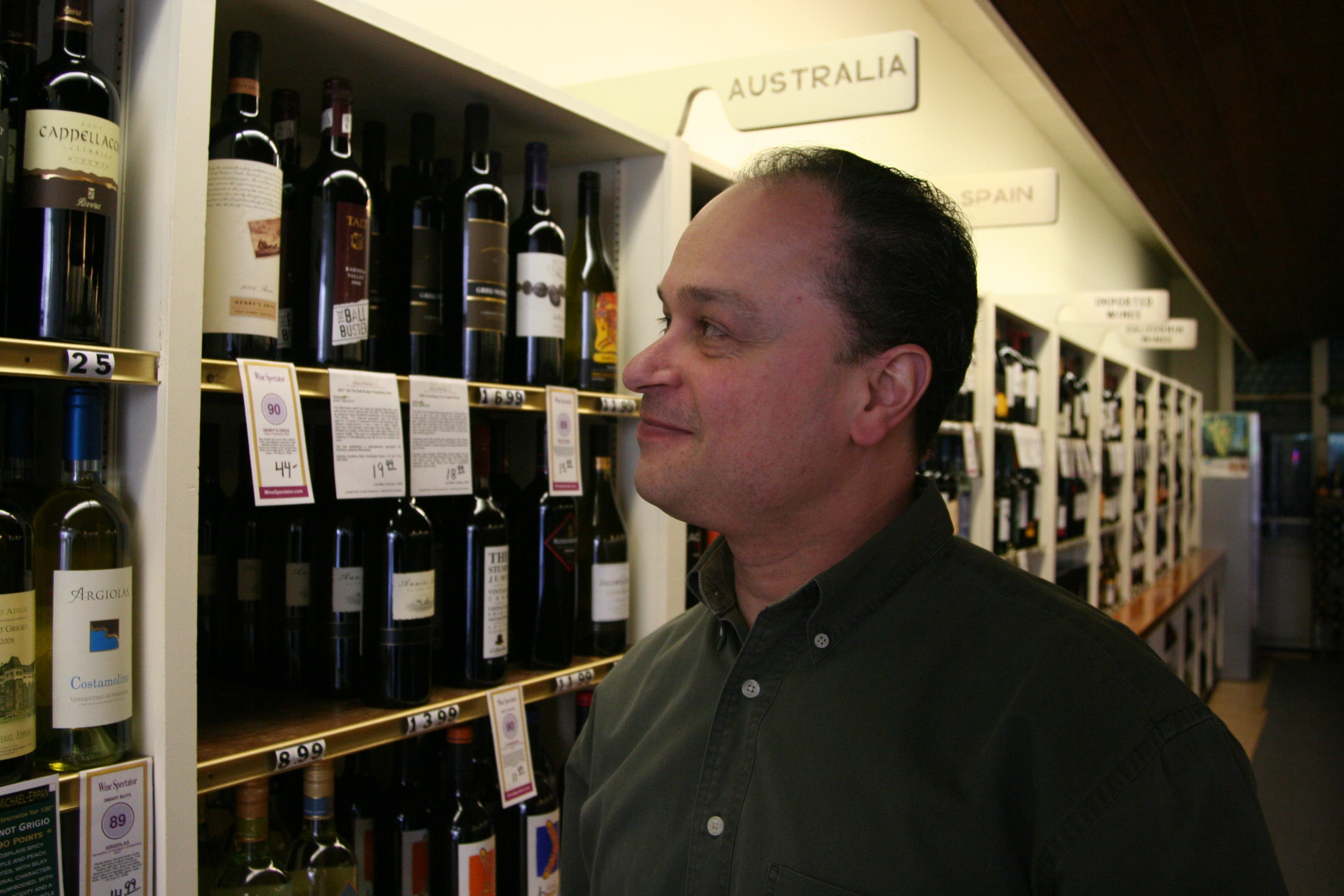


A state budget proposal from Governor David Paterson that would allow grocery stores, delis and convenience stores in New York to sell wine has many local merchants drunk with anger and trepidation.
The proposal could be approved as early as late-March, when the state legislature votes on various bills in New York's proposed 2010-2011 budget.
Proponents point to a projected $300 million windfall for the state over the next two years as a result of the measure, which would be used to avert cuts in health care, as well as convenience and potentially lower prices for customers. Thirty five states already allow wine sales in grocery stores. Costco is the largest wine retailer in the country.
Find out what's happening in Tarrytown-Sleepy Hollowfor free with the latest updates from Patch.
But those who oppose the measure, including most liquor merchants in the Tarrytown and Sleepy Hollow area, say the governor's projections are overblown and that the move could shutter small businesses and increase underage drinking.
"The mom-and-pop stores would all be hurting because there's no way we'd be able to compete" with supermarkets and stores like Costco, said Rodney Rodriguez, who works at the Village Wine and Spirit Shoppe on Beekman Avenue in Sleepy Hollow.
Find out what's happening in Tarrytown-Sleepy Hollowfor free with the latest updates from Patch.
"Let's say I'm buying 100 cases of wine a month, and Stop & Shop buys 1,000, how am I going to compete with their prices? And we can't sell the half the things that they sell. We can't even sell beer," Rodriguez said.
Paterson spokesman Matt Anderson said the governor's office is offering liquor merchants an opportunity to sell different types of products - including chips, crackers, and cigars - in a move to mitigate the potential effects of the proposal.
"We're willing to work with the industry on this," Anderson said. "We think it offers consumers greater choice and convenience."
But Rodriguez pointed out that even if he is allowed to sell cigars and crackers, many of his customers will migrate to supermarkets where they can pay less for the products.
Tony Russo, who owns Aries Wines & Spirits in White Plains, said that according to statistics he obtained from a trade group, 40 percent of the state's 3,000 wine and liquor stores could go out of business within a year of the proposal becoming law. He added that the measure could have a "ripple effect" if large retailers buy directly from manufacturers and put salespeople and warehouses out of business.
"All this [proposal] is, is moving money from one pocket to another pocket, and then finding out you're out of money," Russo said. In other words, while the state would see short-term revenue, the long-term effects could be devastating, he said.
Russo also said that the governor's revenue projections are "pie in the sky," as many delis and bodegas may forgo the opportunity to sell wine. Those that do apply for a license could be emboldened by a lack of state oversight and not bother to renew the license once it expires.
Despite the potential windfall in profits for supermarkets, the manager of the C-Town on North Broadway said his store is too small to stock wine, and he would likely forgo the opportunity to sell it.
"We have much higher demand for other types of products, and the store is so small that we don't even sell beer," Kamal Hassan said.
The manager of the Stop & Shop on South Broadway said he couldn't comment on the measure, and a corporate spokesman did not return a call seeking comment.
Opponents of the proposal also argue that wine sales in corner stores and delis could make alcohol more accessible to minors.
"Liquor store owners are very strict with IDing kids because their livelihood is at stake," said William Arroyo, who owns River View Wines & Spirits on West Main Street. "But you could imagine some teenager going into a supermarket, and the kid at the checkout is maybe his buddy and he lets him buy beer or wine."
Arroyo said that if the proposal passes, he would lose about 15 percent of his business, mainly from discount wines. He said the state has offered no way for him to recoup that money.
One expert without a financial stake in the proposal said underage drinking is only a small part of the issue.
"Underage drinking is always a factor that people bring up without really being able to substantiate it," said Ned Towle, director of the Westchester Wine School, which offers courses at the Hilton in Rye Brook. "I suppose it's a risk, but I would call it a small risk."
Towle added that most wine drinkers prefer to buy from professionals who can offer expertise and advice, which supermarkets and convenience stores don't have.
One Rye wine salesman actually supports the proposal because, he said, it would usher in necessary changes to the state's "antiquated" liquor laws.
"If you have a favorite wine store, wouldn't you want to be able to buy a baguette and a piece of cheese to go along with your wine," said Cai Palmer, the owner of Wine at Five on Purchase Street in Rye. "In any other civilized country in the world [and most U.S. states] you can do that. So maybe New York is uncivilized."
The state's Alcohol Beverage Control ("ABC") Law has gone essentially unchanged since the end of Prohibition, and has been criticized for decades. Palmer said current laws are "monopolistic," allowing distributors to set prices and determine who can carry their products.
"Will some of the mom-and-pop stores go out of business? Absolutely, there's no denying that, but those are not necessarily the stores that people want in their communities," Palmer said. Paterson's proposal "won't affect my sales. I work very, very hard to find very good wines."
According to a Siena College poll released last week, 58 percent of New Yorkers support the sale of wine in grocery stores.
A study published last month by the New York Wine and Grape Foundation, a trade group, revealed that in 2008 the wine industry generated about $7 billion in economic activity for New York. That includes wine and grape sales, revenue from wine-related tourism, as well as wages paid to workers in the industry.