Upper East Side|Local Event
Amanda Selwyn Dance Theatre Announces Workshops with Guest Artist Billy Siegenfeld

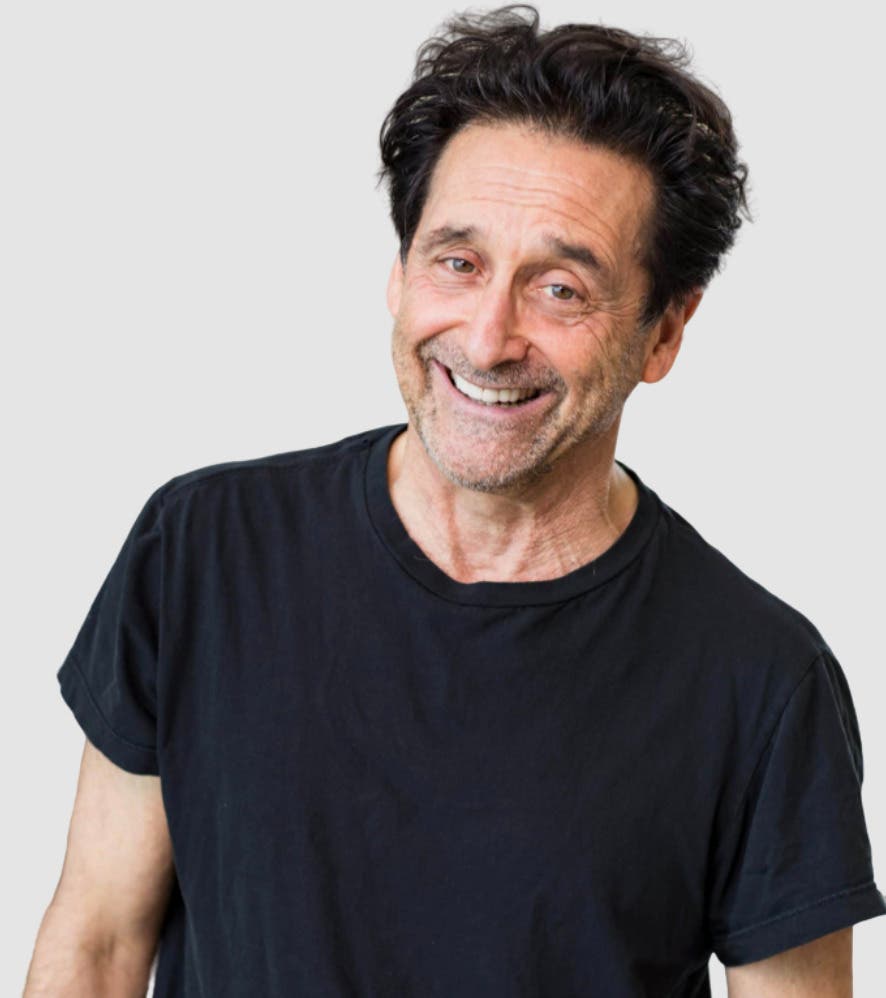
Amanda Selwyn Dance Theatre announces Standing Down Straight® and Swing Dance workshops with guest artist Billy Siegenfeld, scheduled for Monday, February 2, 2026 at 10:30AM and 12PM, respectively, at Amanda Selwyn Dance Studio, 412 Broadway, 2nd Floor, New York, NY, 10013. Tickets start at $25 and can be purchased here.
Standing Down Straight® with Billy Siegenfeld | 10-11:30 a.m.
Standing Down Straight® (SDS) is a voice-and-movement training method developed by Billy Siegenfeld, founder of the theatre company Jump Rhythm®. This approach emphasizes gravity-directed relaxation, allowing individuals to do performative or everyday tasks with reduced strain and heightened efficiency—to find power in relaxation to prevent strain and injury.
Swing Dance Workshop with Billy Siegenfeld | 12-1:30 p.m.
This workshop explores swing dance through the lens of Standing Down Straight®—finding power in relaxation and letting gravity do the work. Instead of applying muscular force, you’ll practice releasing unnecessary tension, organizing around the skeleton, and allowing movement to happen with less effort and more ease.
Dancers and non-dancers alike are welcome in this workshop to learn simple swing rhythms and partner movement while applying gravity-directed alignment, shared momentum, and efficient use of energy. Through partner and group exercises, we’ll discover how Standing Down Straight® makes swing dancing feel more sustainable, connected, and joyful.
Billy Siegenfeld is a former jazz and rock drummer and present-day vocal-rhythmic actor-dancer-singer. He’s also the founder, artistic director, choreographer, and musical arranger of the theatre company Jump Rhythm® (www.jumprhythm.org); an Emmy®-Award-winning recipient for both his performances in and vocal-rhythmic choreography for the documentary Jump Rhythm Jazz Project: Getting There; an author of essays, plays, and an upcoming book titled How To Make Gravity Our New Best Friend; and a Charles Deering McCormick Professor of Teaching Excellence in the Department of Theatre at Northwestern University.
His creative work focuses on building theatre out of primal human behaviors: giving expression to the energies we feel inside the body rather than the shapes we make on the outside it. This process turns fusions of rhythm-driven motion, song, and speech into stories that laugh, cry, and rant about our species’ most dominant condition: wanting to get more than enough instead of accepting that enough is enough – especially when we replace human-made ideas like standing up straight and no pain no gain with nature-friendly ideas like gravity-directed relaxation, less is more, and the Golden Rule.
The Amanda Selwyn Dance Theatre creates dynamic dance theatre that activates emotional expression. Through an interplay of athletic and articulate motion, they present theatrical and immediate works that engage audiences from start to finish and beckon a response of thought, feeling, and soul.
Notes in Motion, a vendor of NYC Department of Education, offers inclusive in-school, after-school, and community programs that teach dance styles including ballet, modern, jazz, African dance, Latin dance, hip hop, tap, musical theater, and more. Dance programs combine technical skill-based instruction with creative expression and foster self-discovery, risk-taking, and individual leadership, and are united by Amanda Selwyn Dance Company’s singular approach to dance education, The Movement Exchange Method, which combines technical instruction with creative skill-building and collaborative learning. Notes in Motion aims to provide access to the art form of dance to inspire the next generation of dance appreciators. In the last three years, the dance education programs have grown from 87 programs and 45 school partners per year to 163 programs and 75 school partners. This year, Notes in Motion brought dance to 21,000 students and delivered 4,400 program sessions throughout NYC. Programs directly benefit underserved communities who have historically faced a lack of arts education.
#