Neighbor News
Fracking- What it Means to You and the Environment
It is safe? Is it dangerous? Get informed on this controversial mining practice.
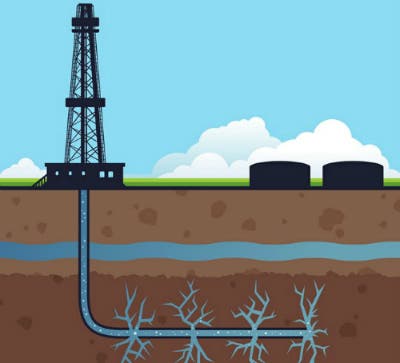
Fracking...seemingly everyone is talking about these days, but while they all seem to know the name, precious few really seem to know exactly what it means, other than the fact that some folks seem to think that it can have a detrimental effect upon the environment.
Of course, they are right; Fracking CAN have a detrimental effect upon the environment, but the concerns expressed by many of its critics tend to be overblown and at times unfounded. The purpose of this article is to discuss and inform about the properties, both positive and negative, of the process known as Hydraulic Fracturing, AKA Fracking.
So, what is Fracking? According to an article titled “What is Fracking really about?“, by greed advocates Yellow Pages Goes Green, Fracking is a process used to essentially mine the gasses inherent in certain rock formations (known as “shale gas”) to develop America’s natural gas and oil resources. It’s been in use for approximately 60 years, and while its methods vary slightly from location to location, there are certain aspects that remain the same within all of sites where it is employed, and those similarities – and their effects upon the environment – are what has some people up in arms, Yellow Pages Goes Green said.
Find out what's happening in Wantagh-Seafordfor free with the latest updates from Patch.
“Fracking is actually the process of drilling down before a high-pressure water mixture is directed at the rock to release the gas inside. Sand, water, and chemicals are injected into the rock at high pressure, this allows the gas to flow out to the head of the well,” they said. “The process can be used to create new pathways to release gas or to extend existing channels. Most of the water used in fracking is collected from the well and processed, but concerns arise that potentially carcinogenic chemicals can sometimes leak out and find their way into drinking water sources. The industry itself denies that shale gas is unsafe, and blames pollution incidents on bad practice instead of risky technique.”
Shale gas, once actually mined, provides a safe and effective fuel source and an excellent alternative to fuels that pose a greater risk to the environment, according to Geology.com.
Find out what's happening in Wantagh-Seafordfor free with the latest updates from Patch.
“Natural gas is cleaner-burning than coal or oil,” they said. “The combustion of natural gas emits significantly lower levels of key pollutants, including carbon dioxide (CO2), nitrogen oxides, and sulfur dioxide, than does the combustion of coal or oil. When used in efficient combined-cycle power plants, natural gas combustion can emit less than half as much CO2 as coal combustion, per unit of energy released.”
Like any aspect of energy production involving natural elements extracted by unnatural means, Fracking consists of both positives and negatives, according to Yellow Pages Goes Green. However, while the potential for damage to the surrounding environment is ever-present, adherence to proper safety measures minimizes this risk; but the risk not only remains, but can spread to areas not related to the environment as well, they said.
“The advantages of Fracking consist of U.S. Energy Production being increased, short-term jobs for a few local people, profit for mineral rights owners and a few land owners, customers can be increased for local business on a short-term basis,” they said. “The disadvantages definitely outweigh the advantages. Some of the cons do not affect the environment: loss of property values, greatly increased traffic and accidents, loss of county property tax revenues, risks to mortgages and property insurance, loss of viable economic base, destruction of peace in the surrounding areas. And some of the negative impacts to our environment directly relating to Fracking can include: poisoned drinking water supplies, accidental spills and criminal dumping, radioactive waste, earthquakes, unregulated minimal oversight, inadequate legal protection for landowners.”
Of chief concern is the shale gas wastewater that remains a by-product of Fracking; according to the Environmental Protection Agency (EPA), this is a matter that they take very seriously and are devoting a great deal of effort into ensuring that it is managed safely and responsibility.
“Wastewater associated with shale gas extraction can contain high levels of total dissolved solids (TDS), fracturing fluid additives, metals, and naturally occurring radioactive materials,” they said. “In partnership with states, EPA is examining the different disposal methods employed by industry to ensure that there are regulatory and permitting frameworks in place to provide safe and legal options for disposal of flowback and produced water.”
The current options for safely handling shale gas wastewater, according to the EPA, are underground injection of waste disposal fluids from oil and gas wells (Class II wells), and discharging the wastewater to treatment facilities, both of which have proven effective in treating the by-products of Fracking.
ProPublica’s reporting over the years has shown that fracking can be done safely, and very often is. That said, natural gas drilling and fracking done improperly or recklessly can be a threat to water safety, especially in areas where the local populace depends upon groundwater reserves for drinking water; other areas are not quite so vulnerable to contamination.
“In New York, environmental groups will almost definitely sue the state and try to block drilling over the watersheds,” they said. “The watersheds are a statewide resource, providing unfiltered drinking water to over 9 million people, and New York City alone has spent hundreds of millions of dollars acquiring land and protecting it.”
87% of the natural gas consumed in the United State is produced domestically; thus, the supply of natural gas is not as dependent on foreign producers as crude oil. The availability of large quantities of shale gas will further allow the United States to consume a predominantly domestic supply of gas. Fracking, obviously, will contribute to that goal a great deal, and as long as safety measures are adhered to strictly, it should pose a minimal risk to the environment.