Community Corner
LIRR Woes: 7 Percent Of Trains Late In 2016, Report Says
Thousands of trains were late or canceled last year, affecting millions of riders and costing millions of dollars.


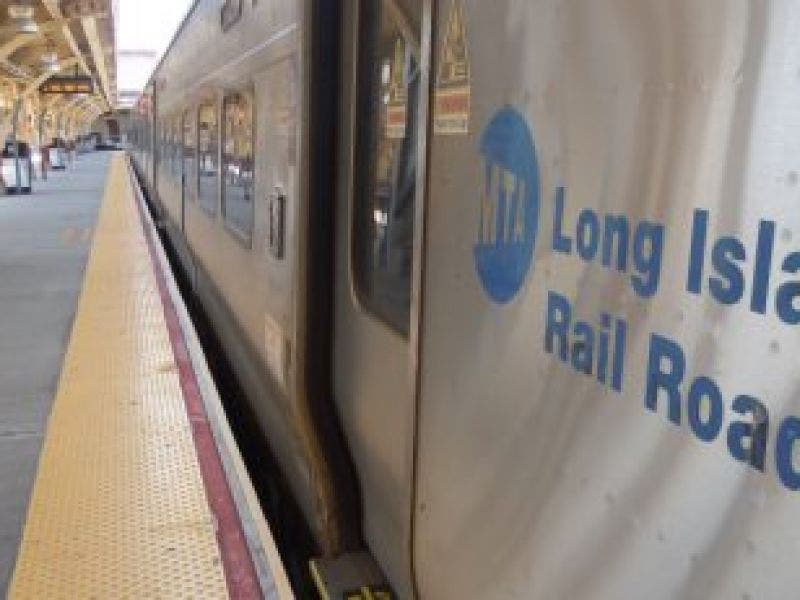
It turns out the largest commuter railroad in the country also has some pretty big problems.
A report released Wednesday by New York Comptroller Thomas DiNapoli says that the Long Island Rail Road's on-time numbers don't reflect the reality of the situation on the tracks -- something that most regular commuters would probably agree with.
According to DiNapoli, of the 247,000 trains that were scheduled in 2016, 17,951 were late or canceled. That's 7 percent of all the trains, or 49 trains a day. DiNapoli's report says that the delays and cancellations affected 7.5 million riders and cost more than $60 million in lost productivity.
Find out what's happening in Wantagh-Seafordfor free with the latest updates from Patch.
"Commuters count on the Long Island Rail Road to get them to their jobs on time and back home again," DiNapoli said in a release. "While the LIRR reports that only a relatively small percentage of trains were late or canceled, too many commuters had a different experience. While on-time performance improved a bit in 2016, it slipped during the first quarter of 2017. Recent derailments at Penn Station have brought attention to the role played by Amtrak, which is responsible for properly maintaining Penn Station and the four East River tunnels that connect Manhattan to Long Island."
The LIRR reached a new ridership high in 2016, transporting 89.3 million riders. The majority of them arrived on time. The LIRR considers a train on time if it arrives within 5 minutes and 59 seconds of its scheduled arrival time.
Find out what's happening in Wantagh-Seafordfor free with the latest updates from Patch.
According to DiNapoli's report, the on-time rate is getting worse. The on-time performance across the LIRR in 2015 was 91.6 percent -- a 16-year low. The rate improved slightly in 2016, to 92.7 percent, but is below the goal of 94 percent set by the LIRR.
"We are spending billions of dollars to improve the LIRR, most notably with the new Main Line Third Track and Double Track which will increase capacity, reduce delays, and improve safety," said MTA Spokeswoman Beth DeFalco. "As recent events show, not all delays are under our control, however we are working to improve the maintenance procedures and protocols at Penn Station to ensure the best service possible."
But DiNapoli says that just calling the trains "late" hides the problems plaguing the railroad. More than 6,000 trains were more than 10 minutes late in 2016, and 3,200 were more than 15 minutes late. There were 234 trains that were delayed by more than an hour. And more than 1,200 trains were cancelled before they even left -- the most since 2010.
To make matters worse, trains operating during peak hours are more likely to be late or canceled, DiNapoli's report showed. Trains arriving at Penn Station between 8:30 and 9:30 a.m. were twice as likely to be canceled or late as other morning rush-hour trains. And going the other way, trains leaving Penn between 6 and 6:30 p.m. were late or canceled one fifth of the time.
Some specific trains on specific lines were more affected than others: the 6:05 p.m. train from Penn Station to Wantagh was the most frequently canceled train. In 2016, it was canceled 10.6 percent of the time -- 21 times more often than the average of all other trains. And the 6:14 and 6:24 p.m. trains leaving Penn Station on the Port Washington line were late or canceled nearly 40 percent of the time -- even more if the Mets were playing at Citi Field.
"Every day I hear from constituents that the constant LIRR cancellations and delays is the worst they have ever seen," said Senator Todd Kaminsky. "This audit is a much more accurate reflection of the incredible hardships commuters face on a regular basis. Now that the curtains are pulled back, the MTA needs to get to work tackling these problems so that commuters can get the service they deserve."
Only 30 percent of the delays were actually the LIRR's fault, though. Most of those came from unscheduled track and signal repairs, and problems with equipment. The rest of the delays are caused by passengers, police investigations, weather and more.
To read the comptroller's full report, click here.
Photo: Patch
Get more local news delivered straight to your inbox. Sign up for free Patch newsletters and alerts.