Crime & Safety
Wantagh LIRR Graffiti Just The Latest Headache For MTA, Residents
The MTA painted over graffiti on LIRR overpasses Wantagh. Neighbors say this is just the latest in a slew of problems involving the LIRR.


WANTAGH, NY — It wasn't that long ago that the MTA completed its two-year, $27-million renovation of the Wantagh train station, located on the Long Island Rail Road's Babylon Branch. In the fall of 2018, the antiquated station was officially outfitted with a new elevator and escalator, snow- and ice-melting systems on the platforms, and even a new heated platform waiting room, among other improvements.
But within months, things started to go downhill, Chris Carini, vice president of the Wantagh-Seaford Homeowners Association, told Patch in a phone interview.
The shiny, new elevator malfunctioned, trapping people inside. The escalator stopped functioning and remained out-of-service for weeks. Glass on a platform waiting room door broke. Brazen thieves stole bicycles from the station.
Find out what's happening in Wantagh-Seafordfor free with the latest updates from Patch.
A spokeswoman for the MTA told Patch on Friday broken glass was reported in early 2019 once it happened, and acknowledged it took some time to procure a replacement pane. Carini estimated the window wasn't fixed for about three months.
The escalator, the MTA said, was in warranty and had a step wreck, meaning the steps literally crashed into the comb-plate where people step off instead of running through them as they should. The escalator remained out-of-service for about two weeks while the agency procured and installed new parts and made necessary adjustments. Carini said it took a phone call to higher-ups at the transit authority to get it repaired.
Find out what's happening in Wantagh-Seafordfor free with the latest updates from Patch.
The elevator also eventually got fixed, and both units — which are still under warranty by the contractor — are performing at over 95 percent availability, the MTA said.
As for curbing bike thefts, Carini was also involved in getting video surveillance camera signs installed at the station. The signs, installed about six weeks ago, warn would-be criminals that they're on camera.
But the issues don't stop there. Homeless people have inundated the station over the last several months, Carini said. Some have caused trouble.
"We've got a lot of complaints from female commuters," he said. "They were following them to their cars, they were masturbating, they were urinating. It was horrendous."
Frustrated with the lack of attention the issue was getting from local lawmakers and media, Carini once again took action. He contacted MTA police and even wrote a neighbor post on Patch, lamenting what he called "aggressive panhandling," and how waiting rooms were "overcrowded with homeless occupying all the seats." Commuters essentially couldn't use the waiting rooms, he wrote.
"This was not fair to both the commuters who were unable to use the waiting rooms or for the homeless," wrote Carini.
The homeowners group regularly spoke with the MTA's government affairs office, as well as the Town of Hempstead, MTA police command, MTA police homeless assistance teams and more. Now, Wantagh station is regularly visited by transit police, the MTA confirmed, as well as an outreach provider known as Services for the Underserved. Additional patrols were also sent out over the winter to address the increase.
Carini's latest crusade: vandalism.
Graffiti started appearing about four months ago, starting with the station's concrete pillars, he said. While the spray-paint didn't garner much outrage from the community, vandals progressively became emboldened, tagging highly visible targets.
"The one that really got our attention was on the Seamen's Neck Road overpass," he said.
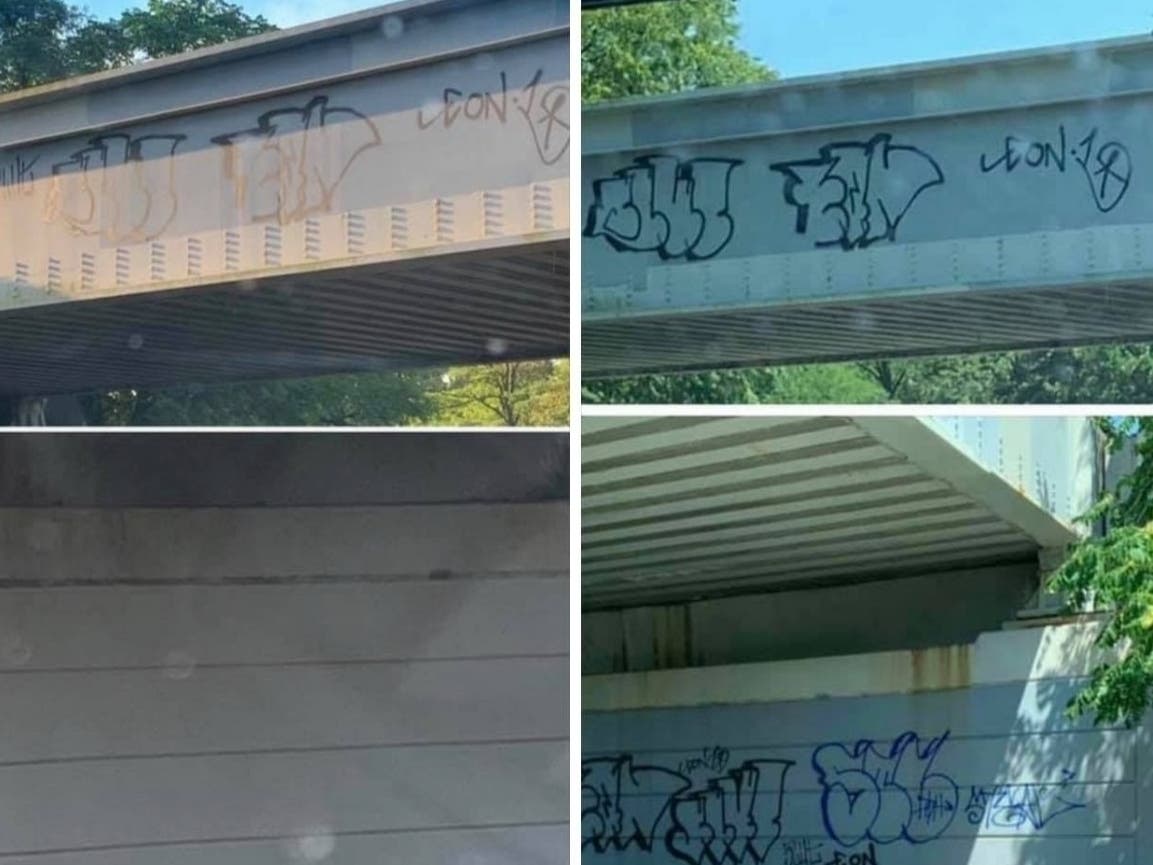
Scrawled on the side of the overpass were massive letters and images spray-painted in blue and black. More graffiti was also spray-painted on the street-level walls underneath the overpass, an eyesore — and constant reminder of the tedious pace of change — for passing drivers.
"That is not acceptable as graffiti destroys our suburban landscape and reduces property values," said Carini.
While MTA crews quickly painted over the street-level graffiti, Carini was told the overpass vandalism might take weeks or months to remedy. The graffiti was not a priority project for the MTA, which told him it probably wouldn't be removed for weeks.
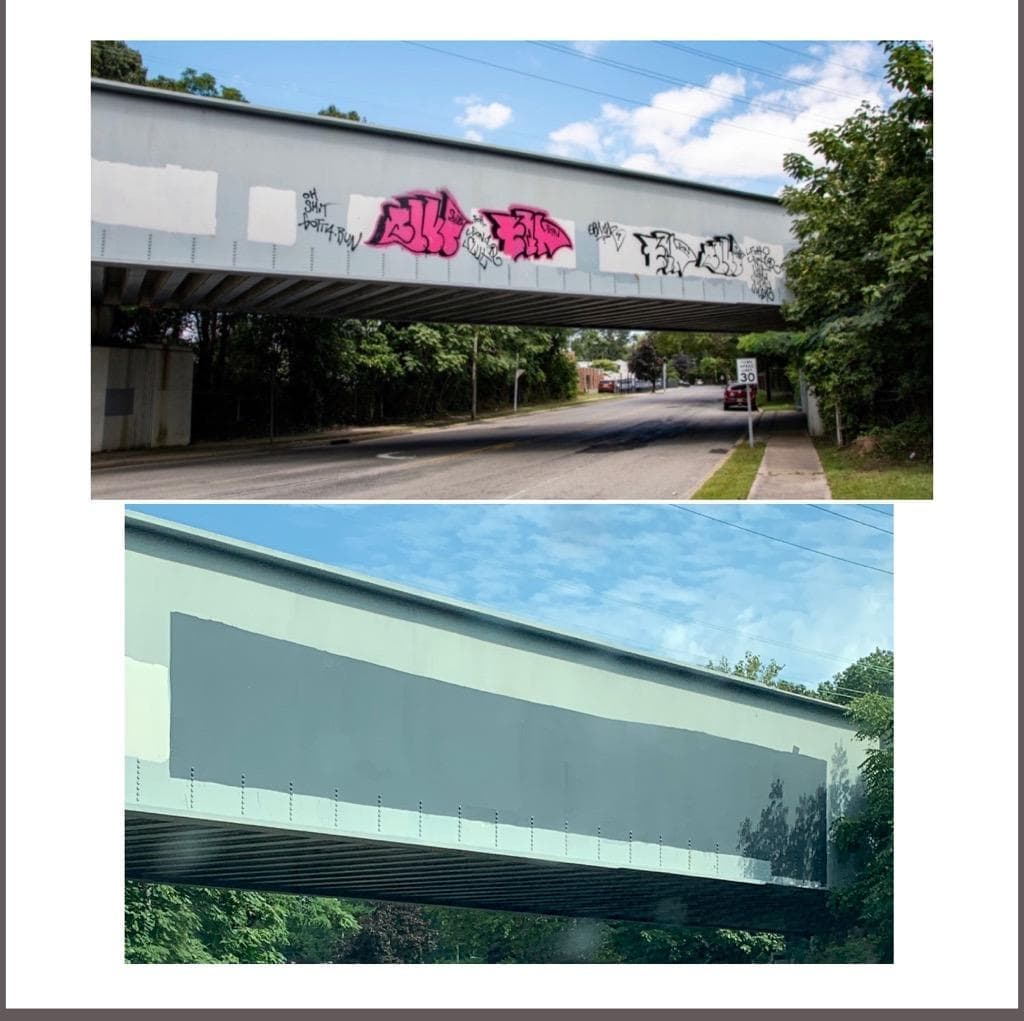
When more graffiti popped up on the railroad's overpasses at Old Mill Road and above the exit ramp of Wantgah Parkway, Carini made — in his words — a stink. Once again, the transit authority responded.
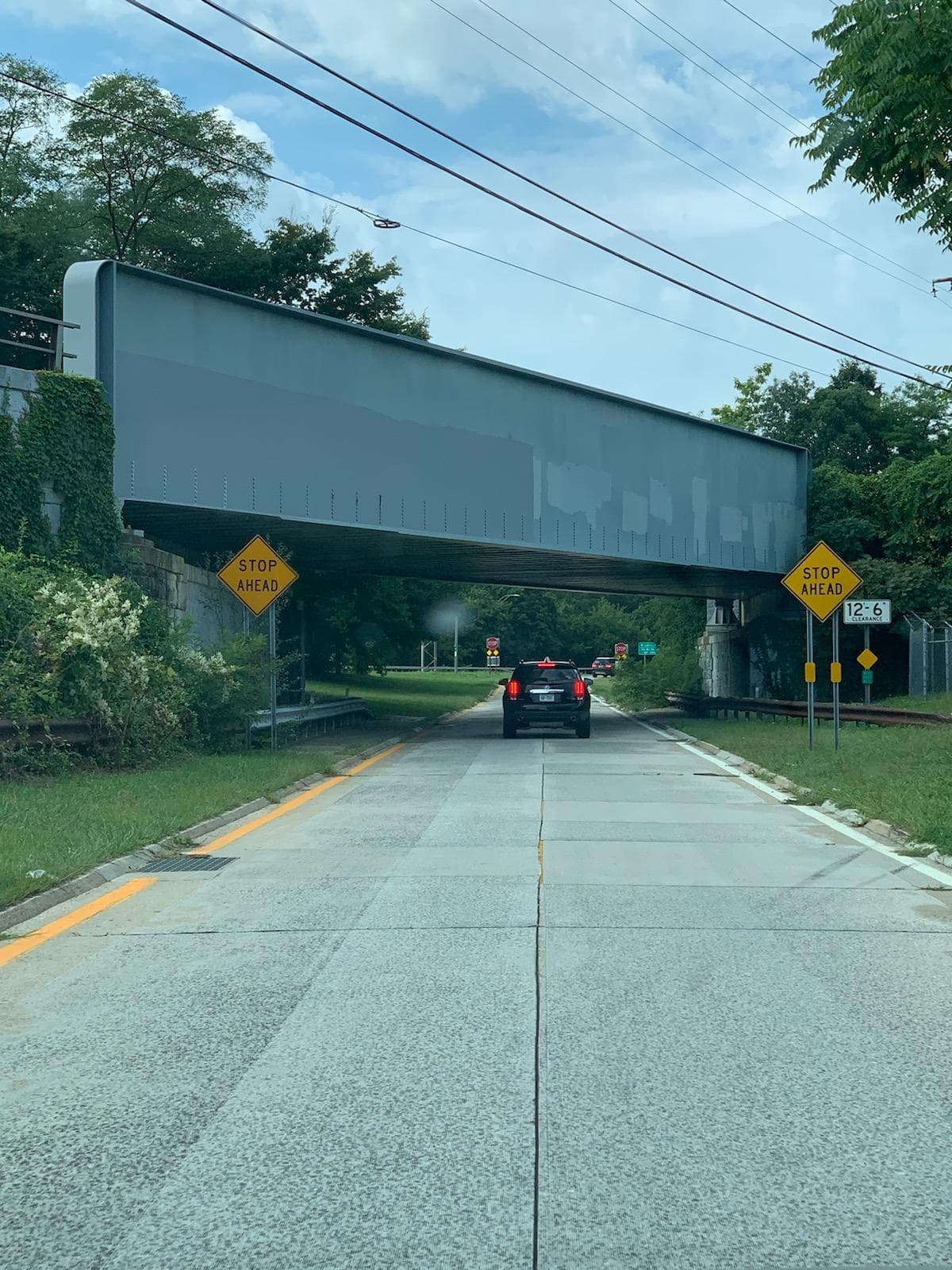
In early September, graffiti removal began at the overpasses above Seaman's Neck Road. Because the projects required special trucks to access the vandalism, the MTA asked him for additional locations, noting that once the removal project was completed, they wouldn't be able to return until December. Treatments subsequently began at overpasses on Old Mill Road and the Wantagh Parkway exit, and all three have since been painted over.
Now, Carini is calling for those in power to do more.
"We need a full-time dedicated crew for graffiti removal with a time frame of a 48-72 hours for graffiti removal," he said.
He added: "We need repairs done within a day or two, not one to three months."

Get more local news delivered straight to your inbox. Sign up for free Patch newsletters and alerts.