Neighbor News
Asylum Seekers Receive Unorthodox COVID-19 Relief
Israel's University of Haifa explores how mindfulness can aid vulnerable refugees and asylum seekers
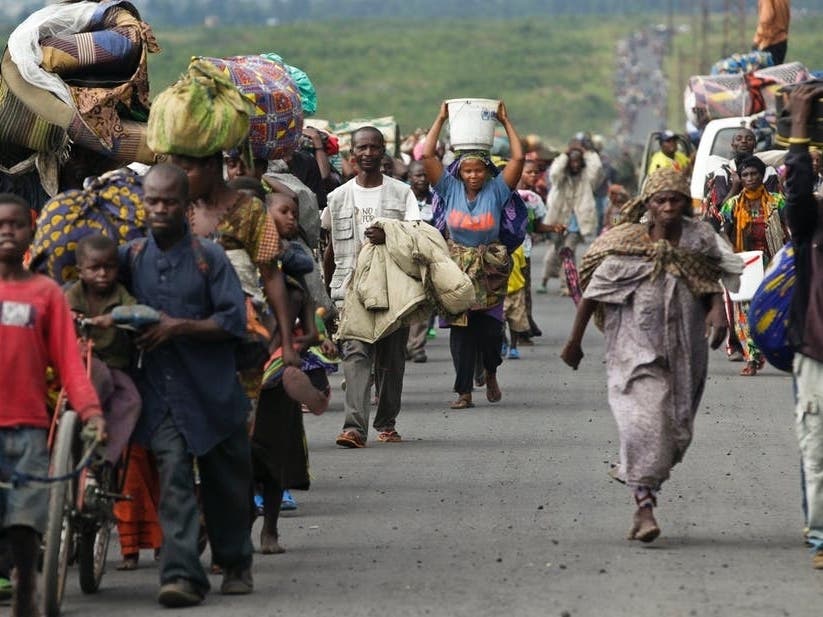
With refugees representing one of society’s most vulnerable populations amid the COVID-19 pandemic, a University of Haifa researcher and his team are spearheading efforts to ensure their wellbeing.
According to Dr. Amit Bernstein, PhD — a professor of clinical psychology in University of Haifa’s School of Psychological Sciences — for tens of millions of forcibly displaced refugees and asylum seekers, the stressors and sequelae of this pandemic are magnified significantly. Already struggling with insecure residential status, housing, income, food and health care access, refugees’ pre-existing daily life stressors and stress-related mental health problems are acutely exacerbated by the pandemic.
Bernstein directs the University’s Observing Minds Lab and the Moments of Refuge Project, a global initiative to study the transformative mental, physical and inter-generational health effects of a mindfulness-based program for refugees and asylum seekers around the world. The project was launched in the impoverished neighborhoods of South Tel Aviv, home to the majority of the nearly 40,000 asylum seekers from Eritrea and Sudan who have sought safety and refuge in Israel. Bernstein’s team have studied this population for a decade documenting the great adversity that they continue to face as well as their high rates of mental health problems from trauma and chronic stress.
Find out what's happening in White Plainsfor free with the latest updates from Patch.
“My Year of Living Mindfully,” a documentary film in which Bernstein is featured as an expert commentator and which spotlights his research, premiered online last week. The film describes itself as telling compelling stories, revealing groundbreaking science, and providing unexpected insights that go to the heart of what it means to be human in the twenty-first century. The film chronicles producer and journalist Shannon Harvey’s journey from her native Australia, to Manhattan, Tel Aviv, and to a Syrian refugee camp in Jordan. She visited Bernstein and his team in their South Tel Aviv mobile laboratory to shed light on the potential for their innovative mindfulness-based intervention to help refugees and asylum seekers begin to heal.
“Already struggling with insecure residential status, housing, income, food, and healthcare access, refugees’ pre-existing daily life stressors and stress-related mental health problems are acutely exacerbated by the pandemic,” Bernstein said.
Find out what's happening in White Plainsfor free with the latest updates from Patch.
As such, MBTR-R recently went digital amid the coronavirus outbreak. The Moments of Refuge team developed Mindfulness-SOS to reach refugees and asylum seekers in Tel Aviv and around the world. Bernstein’s team developed this brief, web-based adaptation of their mindfulness-based intervention for refugees and asylum seekers which is specifically tailored to mitigate acute stress stemming from COVID-19. The intervention program is available in English, Tigrinya, and Arabic, and can be accessed from anywhere in the world.
“I’m very proud of my team’s work around the clock in recent weeks and very excited about the potential impact of Mindfulness-SOS,” Bernstein continued.
After a year-long experimental study that was completed before the coronavirus outbreak, Bernstein’s team found that their mindfulness program was not only safe but “therapeutically transformative” for many of the most vulnerable African asylum seekers — including survivors of torture, human trafficking, and former child soldiers.
“The intervention led to significant reductions in chronic and debilitating mental health problems endemic to the trauma, loss and stress of forced displacement, including PTSD and depression” Bernstein said. “We are extraordinarily excited about these findings and what they may mean for refugees and asylum seekers across the country and around the world."