Community Corner
Caution: Taconic Parkway Ahead
Traffic experts say the Taconic Parkway has serious design flaws and can't handle today's traffic.
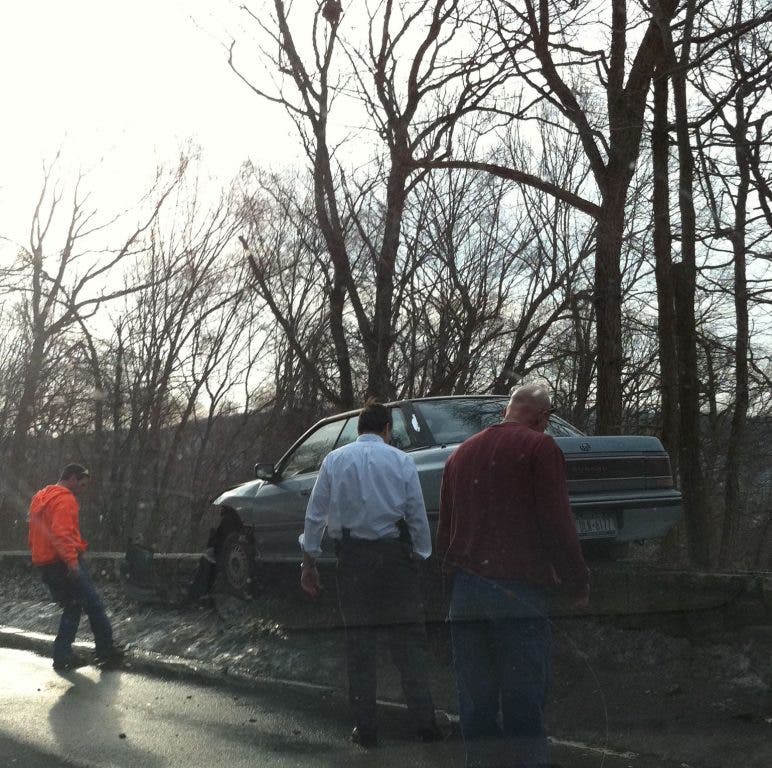

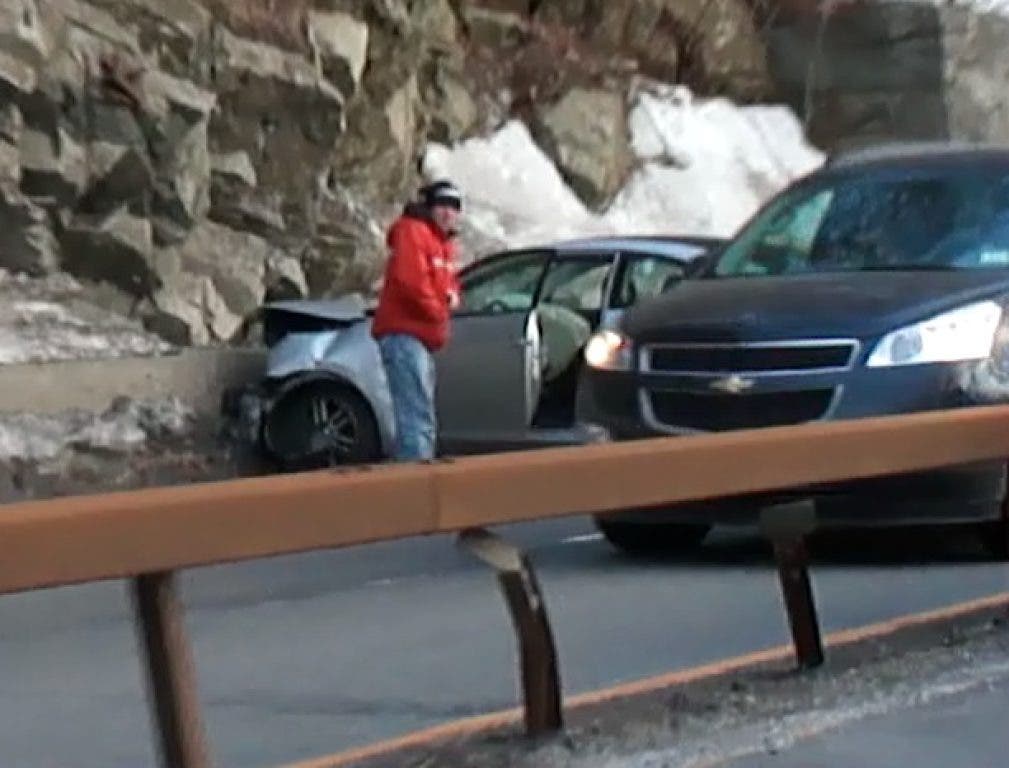


The Taconic State Parkway gained notoriety after the fatal July 26, 2009, crash in which Diane Schuler, a mom in a minivan filled with kids, drove the wrong way on the parkway and crashed into another car, causing eight deaths. But long before that much-publicized accident, the Taconic Parkway was known as one of the most dangerous thoroughfares in Westchester, Putnam and Dutchess counties.
The Taconic was originally intended as a 20.7-mile road for travelers driving at 25 mph to enjoy a Sunday outing along a scenic “park” way. It included stone-arch designs, service stations and restaurants that blended in with the rustic surroundings. Built between 1927 and 1932, the Taconic still provides a scenic drive, but traffic experts say it's ill-equipped to handle today’s traffic volume and speed.
Department of Transportation officials, however, say the parkway has been upgraded over the years to handle changes in traffic. Deborah Rausch, a spokesperson for the New York DOT, said the Taconic from the Saw Mill River Parkway north to the Westchester/Putnam County line “has been fully reconstructed over the last 30 years to freeway standards.”
Find out what's happening in White Plainsfor free with the latest updates from Patch.
So is the problem with the Taconic the road itself or the people driving on it?
Richard Retting, a traffic engineer with Sam Schwartz Engineering, a New York-based transportation and engineering planning firm, called the Taconic “a notorious road with a reputation for serious crashes.”
Find out what's happening in White Plainsfor free with the latest updates from Patch.
“Its design standards aren’t comparable to how you’d build a highway today,” Schwartz said. “It was built at a time when traffic volume was minimal and drivers drove at lower rates of speed.”
The Taconic presents particular risks to drivers because of its “narrow lanes with no shoulders, steep grades, and particularly in Dutchess County, the intersections where people cross over,” explained Chris McBride, a community transportation specialist with the Automobile Club of New York.
Nor is the Taconic the only Westchester roadway that presents safety issues. McBride said that the Saw Mill Parkway has minimal shoulders and offers little time for drivers to enter the road and merge with oncoming traffic, and the Cross County Parkway in many stretches has dim lighting and numerous sections where entering and exiting are tricky.
Gerald Donaldson, who spent 18 years as senior research director at Advocates for Highway and Auto Safety until retiring in 2010, avoids driving on the Taconic altogether. He considers it hazardous because of “inconsistent design features including dangerously narrow cross sections, inadequate guard rails and crash cushions.”
Donaldson said the Taconic is filled with “surprises,” which catch drivers unawares and can lead to accidents. For example, he noted that drivers entering the parkway often can’t see oncoming traffic because of sight restrictions. He contends the Taconic’s problems are structural and historical.
Bill Gorton, acting NYSDOT regional director of Hudson Valley, said a number of structural improvement have been made to the road. “Curves have been flattened, grades were reduced so they’re not as steep, mediums have been widened, and interchanges have been brought up to today’s standards to control access on and off,” Gorton said.
He acknowledged that outside of Westchester, though, “there are sections that need to be upgraded.”
Gorton noted that the DOT has plans to redesign the Pudding Street interchange in Putnam County. But many communities have objected to major construction, which they fear would disrupt traffic and cause delays, he said.
And don't drivers bear some responsibility to follow the rules of the road? After all, not every roadway is intended to be the New York State Thruway.
“We disagree that the Taconic is dangerous, as long as speed limits and postings are adhered to," Gorton said.
But Donaldson asked why does one road kill more people than another? “The blame game is played by public authorities to shift blame to the driver off the shoulders of the public authority,” he said.
Traffic deaths in Westchester County have remained relatively steady, according to the National Highway Traffic Safety Administration, with 56 automobile-related fatalities in 2006; 37 in 2007; 50 in 2008; and 45 in 2009. The New York State Department of Transportation was unable to provide specific statistics for the Taconic at this time. Patch has filed a Freedom of Information Law (FOIL) request with the New York DOT for the information.
Given the state’s budgetary issues, McBride advised focusing improvement on the parkway areas with the highest number of serious crashes, adding cost-effective improvements such as reflectors, improved signage, and road markings. Constant vigilance by law enforcement to discourage driving with distractions (cell-phone use, texting, eating and drinking) and eliminating drunk driving would reduce accidents on the Taconic and elsewhere.
“On the Taconic you have less time to react,” McBride said. “If something happens and the driver is moving quickly, the chances of an accident are increased.”
Editor's Note: The original version of this story listed the crash date as July 26, 2010, when it happened on July 26, 2009. It has been corrected.