Neighbor News
White Plains Hospital Prescribes the ‘Cold-Sufferer’s Diet’
Nutrition Expert Shares What to Eat to Fend Off Viruses and Reduce Cold Severity

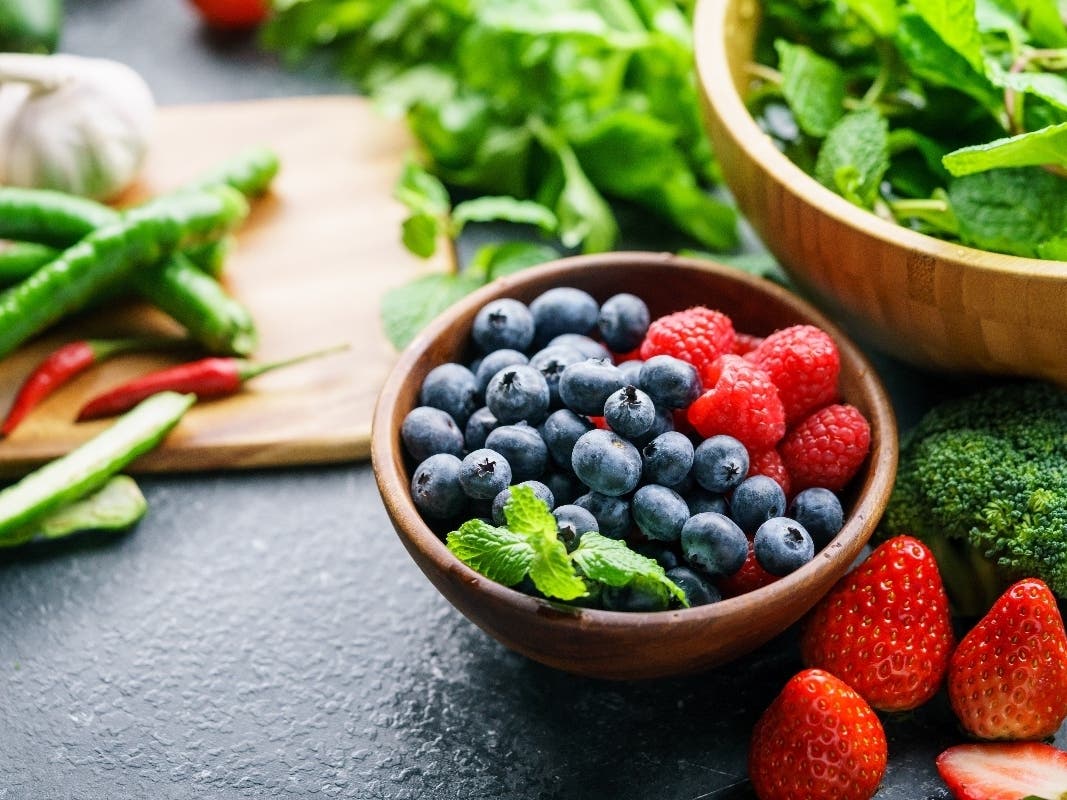
Yes, the old proverb is correct: you should feed a cold. But feed it what exactly? According to Diane May, MPH, MS, CDN, RD, CSOWM, a registered dietitian with Scarsdale Medical Group, a White Plains Hospital partner, the right foods can offer protection from viruses and reduce the severity and duration of symptoms, such as congestion, sore throat, and fatigue.
“Beyond measures like washing your hands often and avoiding contact with sick people, nutrition plays an important role in preventative health,” notes May. “The right foods will give your immune system a healthy boost. I often prescribe these essentials as part of any cold-sufferer’s diet.”
Garlic: Garlic has been studied for centuries for its anti-bacterial properties. When garlic is sliced, chewed or crushed, various sulfur compounds are activated (giving off that distinctive garlic aroma). These have been shown to support the disease-fighting response of some types of white blood cells, helping them to fight viruses. Garlic can also be taken as a preventative supplement: “I recommend 300 mg a day, or incorporating one to two fresh cloves daily into your diet, including in salad dressings, green juices, or simply rubbing it on whole grain bread for delicious flavored toast,” May says.
Find out what's happening in White Plainsfor free with the latest updates from Patch.
Chicken Soup: Good, old fashioned chicken soup has been used forever as a common cold aide and there are some real benefits. The warm broth can help alleviate congestion and the electrolytes (sodium) in the broth can help keep you hydrated and soothe a sore throat. The added chicken and vegetables provide additional protein and nutrients, with carrots, celery, onion, turnip and fresh herbs supplying an even bigger nutritional boost.
Tea: When you aren’t feeling your best, warm fluids can soothe that scratchy throat and help to loosen mucus. Opt for decaffeinated tea as caffeine is dehydrating, which is the last thing you need when you are trying to flush a virus from your system. May says: “I always recommend ginger tea, as it can soothe a stomach that’s upset from loose mucus draining into the digestive system. Ginger also has anti-inflammatory properties that assist with immune function.”
Find out what's happening in White Plainsfor free with the latest updates from Patch.
Non-Fat Greek Yogurt: Loaded with live cultures and probiotics, yogurt helps to keep your gut lining healthy. Approximately 70% of our immune system is located in our gut, so it is important to keep it in good fighting shape in case your body encounters a virus. Consuming probiotic rich foods can lower the risk of catching a cold and help to speed recovery if you already have one. Another perk, non-fat Greek yogurt has triple the protein of regular yogurt (without the added sugar).
Red Bell Peppers: Vitamin C is essential for the function of immune cells, and during infections our bodies quickly become deficient of this vitamin. Eating foods rich in vitamin C when you have a cold or virus can speed the body’s recovery and reduce symptoms. Since vitamin C is water soluble, it’s more efficient to consume it through foods high in vitamin C, such as red bell peppers, rather than from solid supplements, which require more work for the body to digest and absorb. One cup of chopped red bell pepper contains 190 mg of this important vitamin. Other foods high in vitamin C include kiwifruit, broccoli, dark leafy greens, and citrus fruits.
Blueberries: Blueberries are a great source of anthocyanins, a type of flavonoid that gives the berry (and other colorful fruits and vegetables) it’s rich, deep color. Flavinoids have anti-inflammatory, anti-bacterial and antioxidant properties that can help reduce cell damage and boost immune function. A powerhouse berry that’s low in calories, you can snack on them, add them to salads, or simply treat yourself to a blueberry crumble.