Traffic & Transit
Is The L Train Shutdown Averted Or Not? MTA Board Weighs In
Apparently a few more steps, and a few more MTA meetings, need to happen before scrapping the L train shutdown becomes official.


WILLIAMSBURG, BROOKLYN — A three-hour MTA board meeting Tuesday was likely just the first of many discussions before a new proposal to fix the L train without shutting down service becomes official, despite announcements earlier this month that the dreaded shutdown had been averted.
MTA management and a team of experts with firm WSP told board members that a third-party review of the plans, a series of public outreach initiatives and a final MTA board vote would all be needed before the new proposal gets the final go-ahead.
The period of review was likely welcomed by board members and other public officials who had spent the last few weeks asking for more thorough answers to their questions about the new plan, which was first revealed in a surprise announcement by Gov. Andrew Cuomo on Jan. 3.
Find out what's happening in Williamsburg-Greenpointfor free with the latest updates from Patch.
But it also left some members wondering if there will be enough time to do so before the originally-planned shutdown date in April. Or, others asked, why the earlier announcement had been made at all?
"The MTA has gone off and put up signs that said 'L train shutdown averted' and the board has had no vote on changing the contract or any of that," asked Penny Trottenberg, the city's Department of Transportation Commissioner. "Is the decision made?...If the sign says 'shutdown averted' it should have a footnote that says 'subject to board approval.'"
Find out what's happening in Williamsburg-Greenpointfor free with the latest updates from Patch.
Acting Chairman Fernando Ferrer told Trottenberg that no changes had been made to the MTA's contract with contractors hired to rehab the Canarsie Tunnel and that when and if they are made, they will be brought to the board for a vote.
The review of the plans by an independent engineering firm reporting directly to the board will also be presented for another discussion when it is completed, Ferrer said.
Some questions were answered Tuesday, though.
WSP engineer Jerry Janetti presented the details of the new proposal, which will shut down only one of the Canarsie tunnel's two lanes at a time. He told board members that although there are changes, the goals of preventing flooding of the tunnel in the future, fixing tracks and ensuring safety for future decades remain the same.
"This new plan certainly lessens the impact on the riders by avoiding a total shutdown," Janetti said "(And), the new system design achieves all the functional outcomes that the original plan did.”
The new plan will "rack" cables to the walls instead of burying them in the wall, as they are now, and in doing so will not need to demolish all concrete "benchwall" as the original plan had called for. It also includes sensor systems to monitor tunnel conditions in real time, he said.
Janetti answered board members' questions about the longevity of the new plan, the safety of racking cables and whether letting trains run through it after construction periods was safe for riders. Most members asking questions said they would need additional information before making a decision, though.
Much of the conversation focused on a concern brought up in a New York Times story that morning, which found that the MTA had rejected a proposal similar to this new plan back in 2014.
The Times reported that the 2014 proposal also would have mounted cables to the wall, but that concerns were raised about silica dust, "a hazardous mineral that would be difficult to remove during a short weekend closing."
Janetti and MTA President Patrick Foye spent a portion of the meeting outlining how the 2014 plans differed from the newest proposal.
"We wouldn’t propose a plan we didn't think was safe and durable," Janetti said.
Warren Goodman, safety director with Judlau Contracting, told the board that protective gear for construction workers and periods throughout and after work would ensure silica was removed from the air before riders returned. Demolition of concrete, which causes the silica dust, will only be done over the weekend closures, not overnight shutdowns.
Some officials said the Times' story was inaccurate, denying that the new method had been seen by the MTA before.
Ferrer and board member Neal Zuckerman did say, though, that it concerned them that this new technology wasn't initially on experts' radar.
"We should have been hearing this from people who we pay," Ferrer said. "But, I’m beyond that now and I hope we’re beyond that now...We are where we are right now and we’re evaluating this."
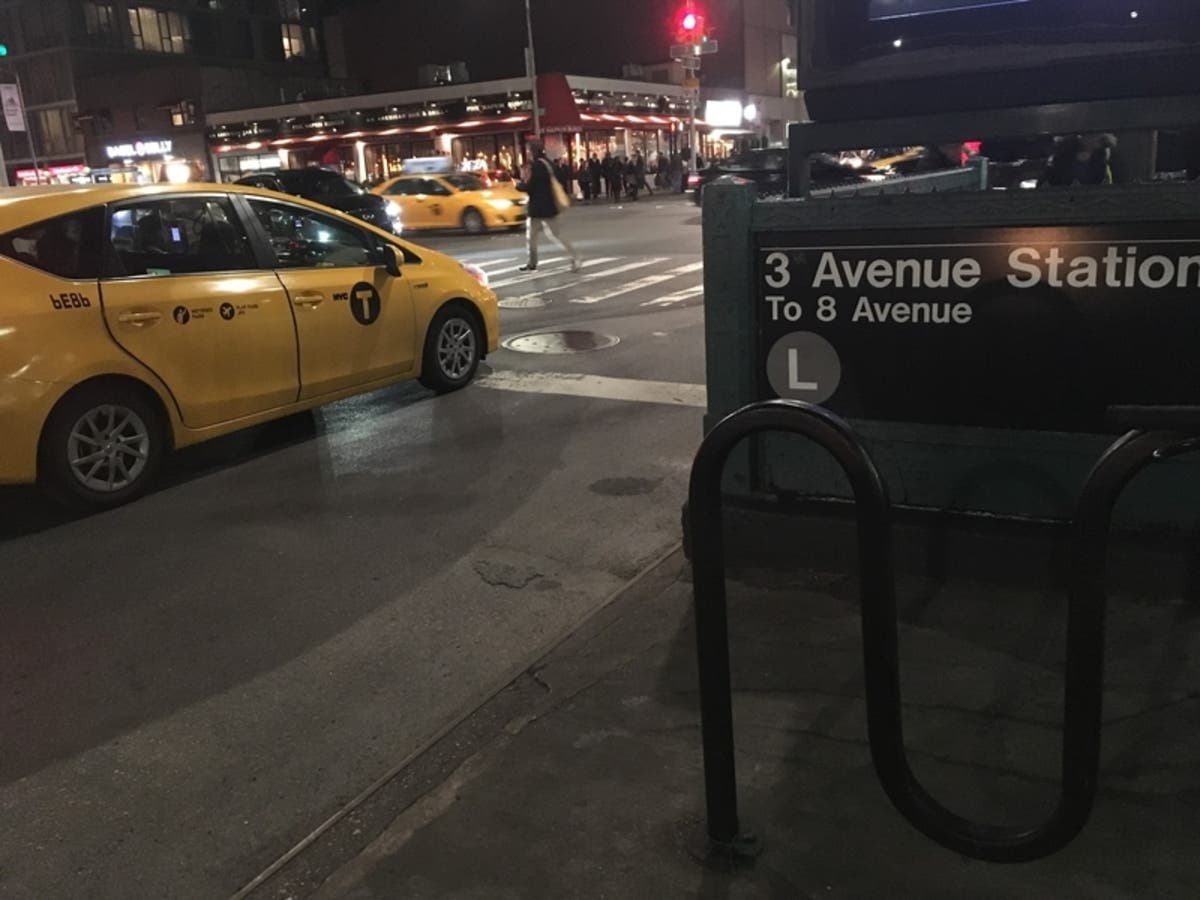
Photo by Ciara McCarthy/Patch.
Get more local news delivered straight to your inbox. Sign up for free Patch newsletters and alerts.