Schools
Yorktown Students Win Award for Science Projects
Catherine Chung invented a solar-powered still that purifies water and Bridgette Nikisher worked on a new way to diagnose kidney disease.


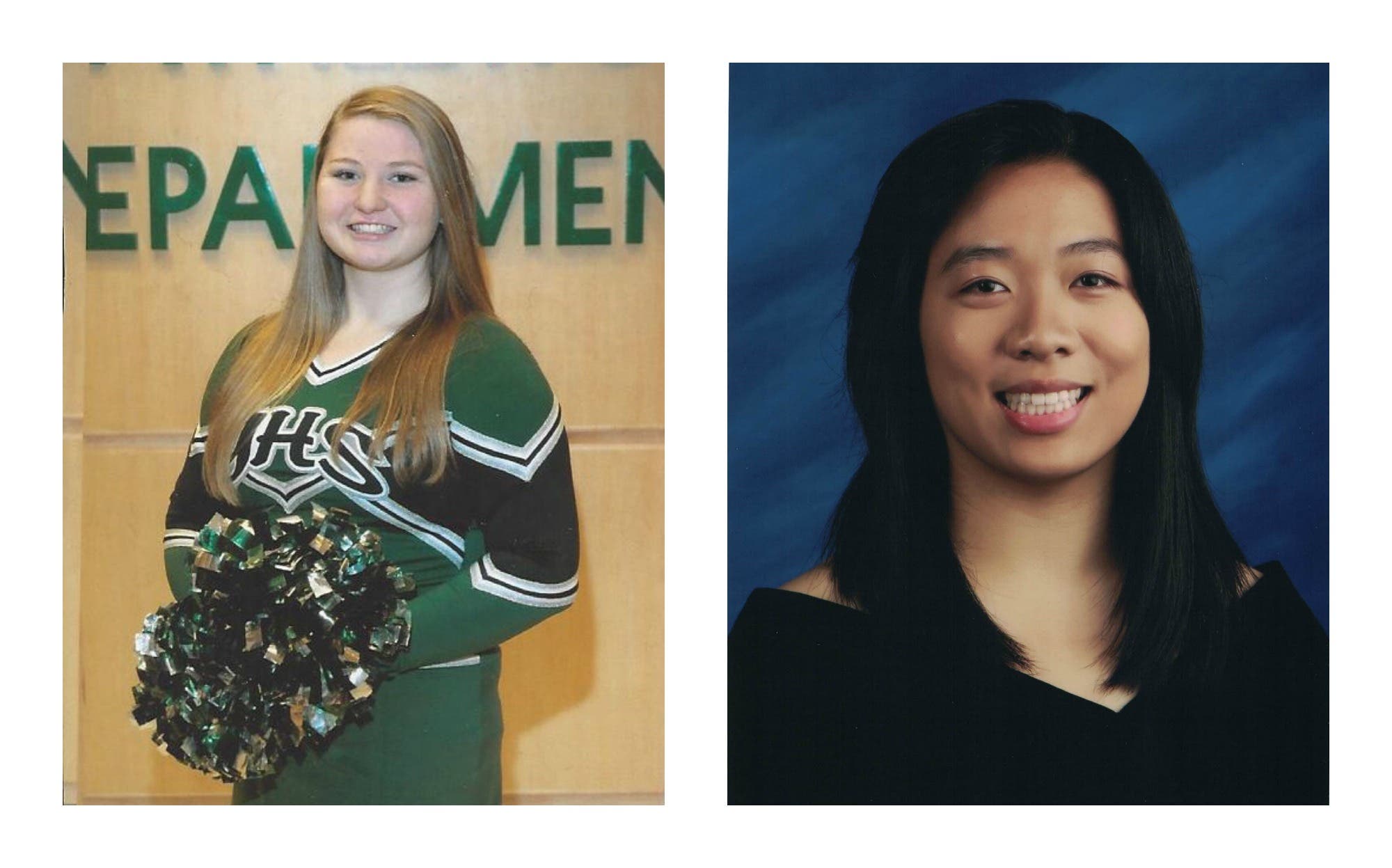
Yorktown High School students Catherine Chung and Bridgette Nikisher recently received the Acorda Scientific Excellence Award for their individual research papers and unique scientific studies.
As part of receiving the Acorda Scientific Excellence Award, they have been featured on AM 1230 WFAS, where they spoke about their projects.
For her project, Catherine set her sights on solving a problem that affects over 783 million people around the world: a lack of access to clean drinking water. As current water purification technologies are expensive and unable to fully purify “dirty” water, Catherine wanted to build a practical, inexpensive and effective water purification system that could easily be operated by anyone in need.
Find out what's happening in Yorktown-Somersfor free with the latest updates from Patch.
Catherine found her answer in the form of a solar still. For the total cost of $23.49, Catherine built a solar-powered device out of widely available household materials that could produce 255mL of purified water a day. She then tested the water in the lab and found that her solar still removed 99.9 percent of bacteria from the contaminated water. Catherine’s solar still cost 90 percent less than a conventional still and produced clean water with an efficiency of 43.2 percent, higher than a conventional still’s 30 percent efficiency.
To further her aspirations of becoming a surgeon, Bridgette was looking for an opportunity to experience the biochemistry side of medicine when she learned that there is currently only one way of diagnosing the kidney disease IgA nephropathy: a very invasive renal biopsy.
Find out what's happening in Yorktown-Somersfor free with the latest updates from Patch.
For her project, Bridgette set out in search of a new way of diagnosing the disease that would be more time and cost effective and prevent thousands of unnecessary biopsies.
As previous studies on IgA nephropathy had shown that certain lectins bind with diseased cells better than healthy cells, Bridgette and a mentor at the New York Medical College devised a test to measure and compare the binding ability of certain lectins to both healthy and diseased cells. At the end of her study, Bridgette had determined that, while there were clear distinctions between the measurements of the different cells, the results were not conclusive enough to serve as a definitive diagnostic test, but their method could one day serve as a diagnostic tool with further research.
Get more local news delivered straight to your inbox. Sign up for free Patch newsletters and alerts.