Weather
Winter Forecast For North Carolina: No Need For Snow Shovels
NOAA weather forecasters made their weather predictions for this winter. Do you like what they have to say?


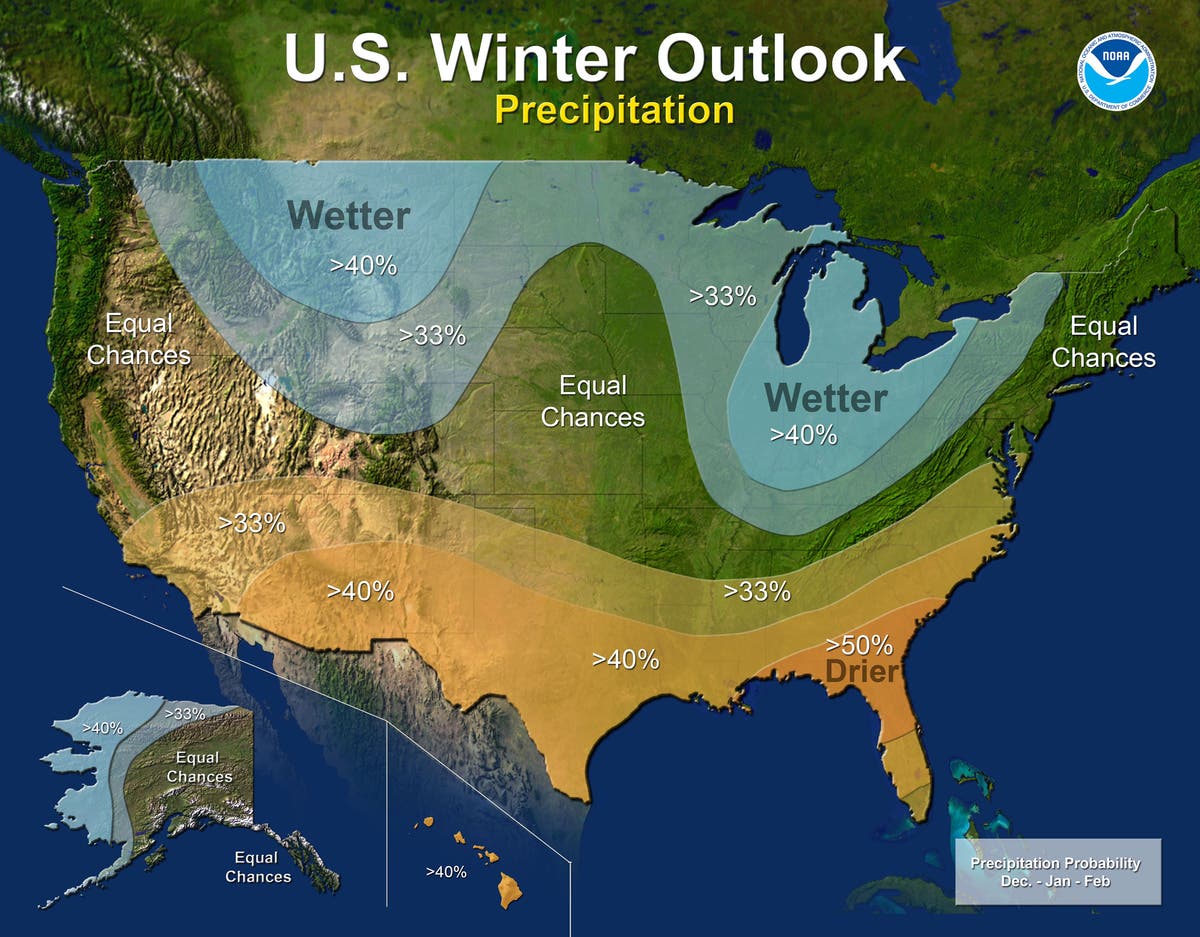
CHARLOTTE, NC -- If this week's cooler weather has you already day dreaming of a winter full of snowmen (or backaches from shoveling the drive), you might want to hear what federal weather forecasters have to say before you go buy a new snow shovel. It’s going to be a warm, dry winter in the south this year, according to forecasters at the National Oceanic and Atmospheric Administration.
The prediction is heavily influenced by La Nina, which the forecasters called a wildcard that has up to a 65 percent chance of developing, NOAA said in its Oct. 19 forecast.
“If La Nina conditions develop, we predict it will be weak and potentially short-lived, but it could still shape the character of the upcoming winter,” said Mike Halpert, deputy director of NOAA’s Climate Prediction Center. “Typical La Nina patterns during winter include above average precipitation and colder than average temperatures along the Northern Tier of the U.S. and below normal precipitation and drier conditions across the South.”
Find out what's happening in Charlottefor free with the latest updates from Patch.
(Sign up for our free daily newsletters and Breaking News Alerts for the Charlotte Patch. iPhone users can download the Patch app in the App Store. Plus, like Charlotte Patch on Facebook.)
NOAA’s forecast differs significantly from other predictions made for the forthcoming winter. According to The Farmer’s Almanac, North Carolina will experience "above-normal" precipitation and the region will have a "wintry chill, wet & white" winter. The folks at The Old Farmer’s Almanac say winter will be warmer and rainier than normal.
Find out what's happening in Charlottefor free with the latest updates from Patch.
Here is NOAA’s 2017 U.S. Winter Outlook (December through February):
Precipitation
- Wetter-than-average conditions are favored across most of the northern United States, extending from the northern Rockies, to the eastern Great Lakes, the Ohio Valley, in Hawaii and in western and northern Alaska.
- Drier-than-normal conditions are most likely across the entire southern U.S.
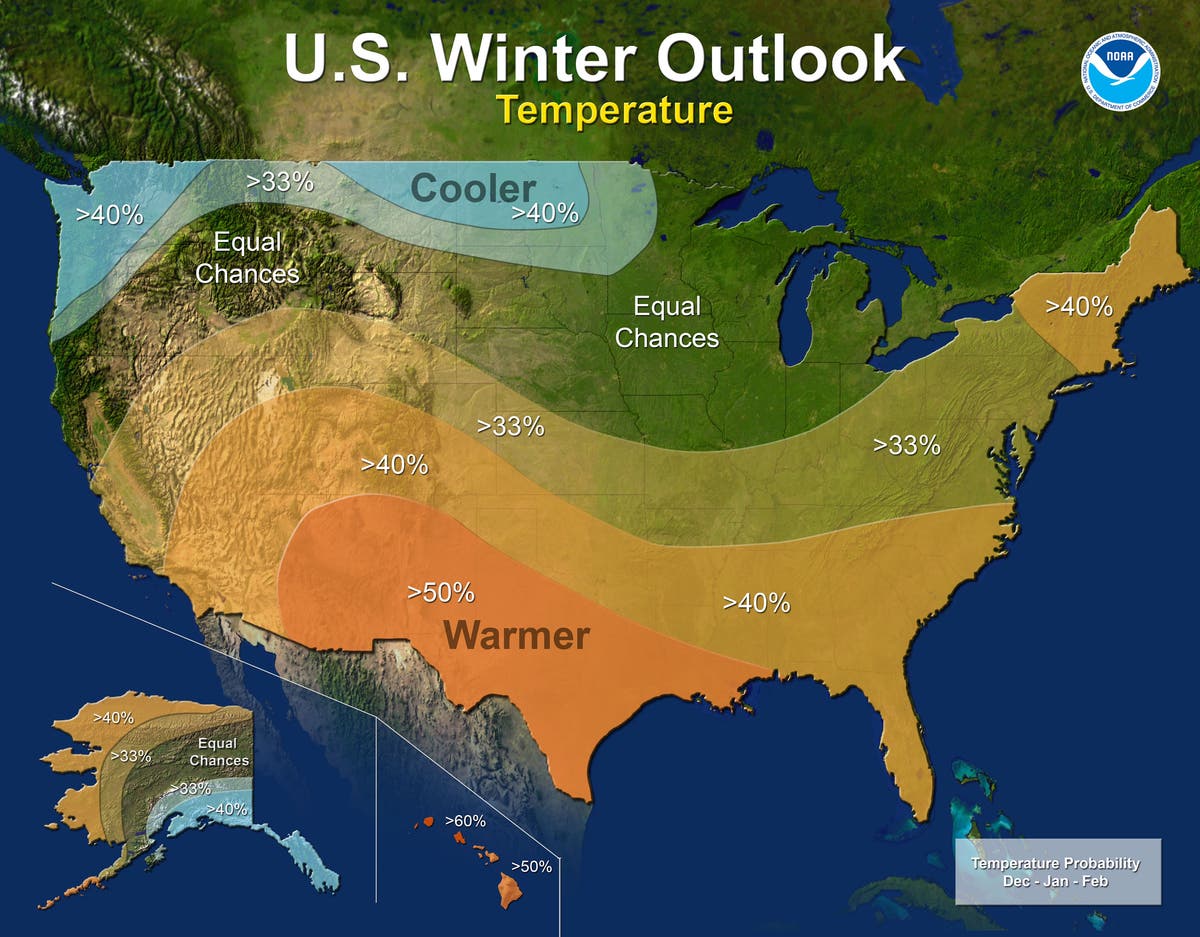
- Warmer-than-normal conditions are most likely across the southern two-thirds of the continental U.S., along the East Coast, across Hawaii and in western and northern Alaska.
- Below-average temperatures are favored along the Northern Tier of the country from Minnesota to the Pacific Northwest and in southeastern Alaska.
- The rest of the country falls into the equal chance category, which means they have an equal chance for above-, near-, or below-normal temperatures and/or precipitation because there is not a strong enough climate signal in these areas to shift the odds.
Drought
- Despite the outlook favoring above-average precipitation this winter, drought is likely to persist in parts of the northern Plains, although improvement is anticipated farther West.
- Elsewhere, drought could develop across scattered areas of the South, mainly in regions that missed the rainfall associated with the active 2017 hurricane season.
WATCH: NOAA's Mike Halpert explains the Winter Outlook for 2017-18
Main Photo via Pixabay
Get more local news delivered straight to your inbox. Sign up for free Patch newsletters and alerts.