Weather
Hurricane Irma: North Carolina’s Governor Declares State Of Emergency
North Carolina has declared a State of Emergency in preparation of Hurricane Irma, which officials say could land in the state by Monday.

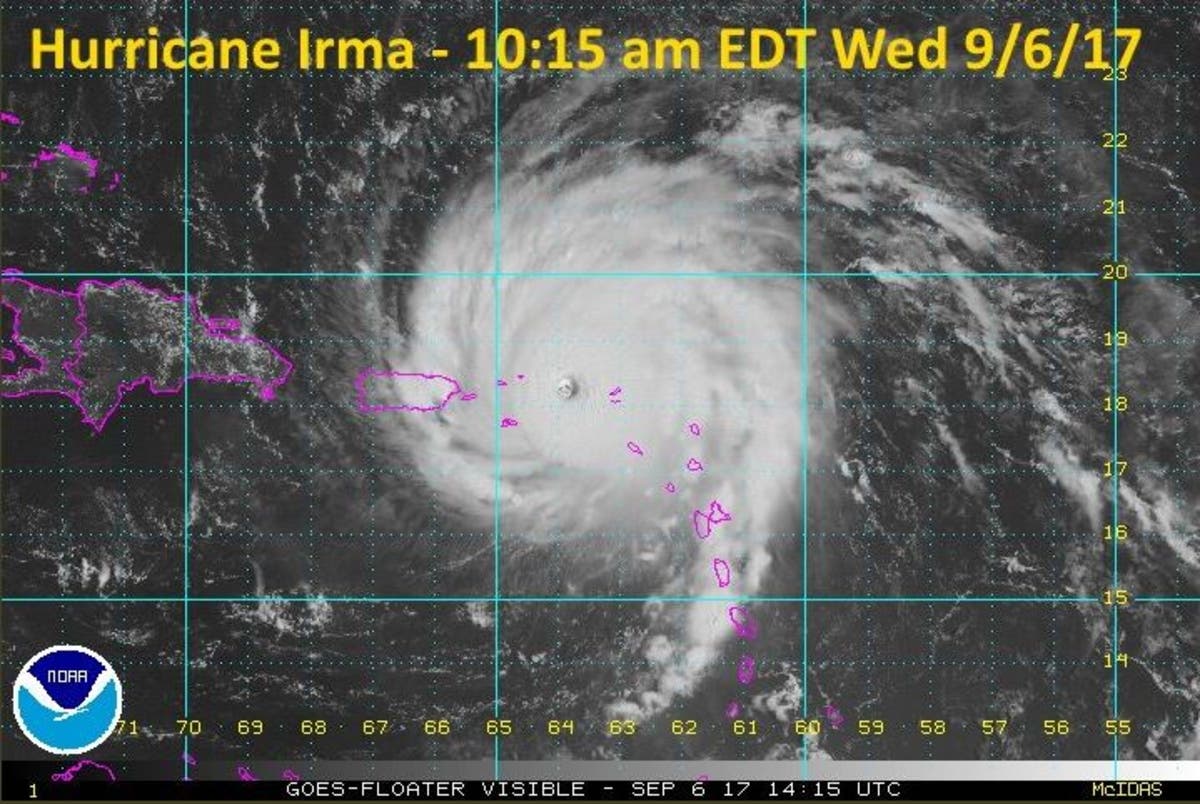
North Carolina’s governor has declared a state of emergency as Hurricane Irma continues to push through the Caribbean on a trajectory headed toward the east coast of the U.S. The State of Emergency covers all 100 counties in North Carolina and goes into effect Thursday morning at 8 a.m.
The move comes as South Carolina Gov. Henry McMaster declared a state of emergency in the Palmetto state Wednesday, but stopped short of calling for an evacuation. That decision would likely be made by Friday, The State newspaper reported.
“There is a lot we still don’t know about this storm, but we do know that North Carolina can expect to feel some sort of effects as soon as early next week, and now is the time to get prepared," North Carolina Gov. Roy Cooper said Sept 6. "Wherever you live in North Carolina – from the mountains to the piedmont to the coast – you need to take this storm seriously, and you need to start preparing for some type of impact.”
Find out what's happening in Charlottefor free with the latest updates from Patch.
Find out what's happening in Charlottefor free with the latest updates from Patch.
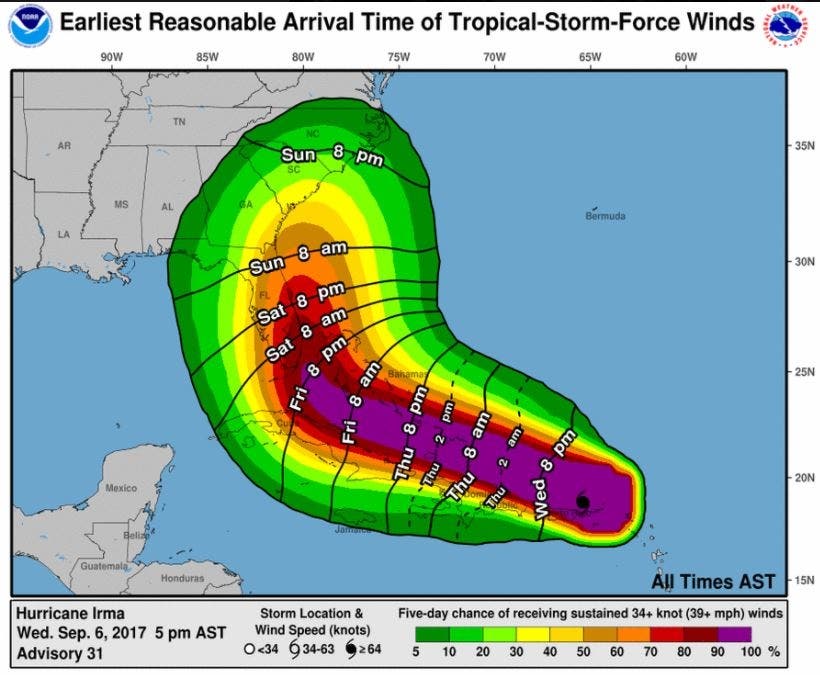
Hurricane Irma, the most powerful Atlantic storm ever recorded, was moving away from Puerto Rico Wednesday night while still packing maximum sustained winds of 185 mph. The potentially catastrophic Category 5 storm’s track shifted over the day to include almost the entire Florida Peninsula, and portions of Georgia and both North and South Carolina.
By 8 p.m. Sept. 6, Hurricane Irma was located 50 miles north of San Juan, Puerto Rico. Forecasters at the hurricane center say Irma is moving west-northwest at 16 mph. Hurricane warnings have gone up for the Virgin Islands, Puerto Rico, the Dominican Republic, Haiti and other interests in the region. By Thursday and Friday, Irma is projected to swirl along the northern coasts of the Dominican Republic and Haiti, pass through the Turks and Caicos islands and then the southeastern Bahamas, CNN reports, where storm surges of up to 20 feet are possible, the hurricane center said.
Patch Editor Sherri Lonon contributed to this article.
Photos via the National Weather Service
Keep up with Hurricane Irma news and more by liking Charlotte Patch on Facebook:
Get more local news delivered straight to your inbox. Sign up for free Patch newsletters and alerts.