Politics & Government
Returning Warriors Driving Safety Report
USAA study shows that returning troops face traffic safety risks, accidents increased by 13% after a deployment.


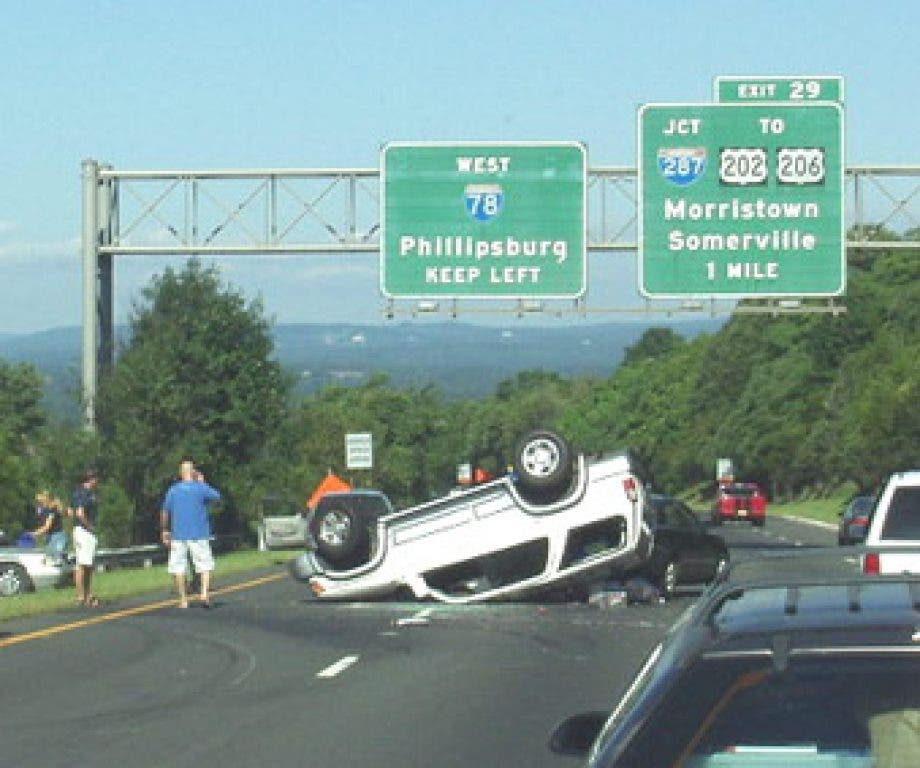
USAA conducted a study focusing on private passenger vehicle driving experiences of their members who are military personnel over a three-year period (January 2007 through February 2010), which included 171,000 deployments to various overseas locations. The research findings show an appreciable increase in reported at-fault accidents for military members upon return from deployment.
USAA has shared its research with each military branch’s safety center commanders. They have also shared the study with academics and traffic safety experts and has taken steps to make their members aware of the behind-the-wheel risks for returning troops.
Findings
Find out what's happening in Fort Braggfor free with the latest updates from Patch.
The study revealed a 13 percent increase in at-fault accidents for troops within the first six months of returning from deployment. Further analysis highlights significant differences between military ranks. The chart below presents the increase in at-fault accidents by rank groups.
Other findings:
- The increase in at-fault accidents was greatest for Army veterans, whose at-fault accidents increased by 23 percent, followed by Marines at 12.5 percent, Navy at 3 percent and Air Force at 2 percent.
- Most accidents were caused by “losing control of the vehicle,” according to drivers.
- Accidents attributed by drivers to “objects in the road” increased more dramatically after deployment than any of the other 12 causes USAA tracked for the study.
- The increase in at-fault accidents was most dramatic for younger drivers, with drivers younger than 22 experiencing a 25 percent increase in at-fault accidents, while drivers older than 29 only saw a 7.5 percent increase.
- Drivers with three or more deployments experienced 36 percent more at-fault accidents, drivers with two deployments saw 27 percent more and drivers with one deployment had an increase of 12 percent.
- Individuals with longer deployments were generally more likely to be involved in at fault accidents.
Driving Habits
Find out what's happening in Fort Braggfor free with the latest updates from Patch.
As part of the effort to help ease the transition from military to homefront driving, a division in the Office of The Surgeon General (Army) offers brochures to assist soldiers and their families. The family brochure includes a comparison (below) showing driving behaviors learned in combat and how they might continue at home.
In Combat: Drives as far as possible from road edge to avoid IEDs vs.
At Home: Drives in middle of road, straddling lanes.
In Combat: Changes direction and lanes unexpectedly, especially at tunnels or underpasses where insurgents might be waiting vs.
At Home: Weaves through traffic. Does not signal turns, merges or lane changes. Avoids or changes lanes at underpasses and tunnels.
In Combat: Always moving. Does not stop for traffic or people. Always has right of way vs.
At Home: Anxious when stopped. Rolls through traffic lights and stop signs. Does not yield right of way to other vehicles.
In Combat: Speeds as fast as the lead vehicle in a convoy vs.
At Home: Drives over posted speed limit.
In Combat: Hypervigilant of roadside elements vs.
At Home: Overly attentive to roadside elements.
Get more local news delivered straight to your inbox. Sign up for free Patch newsletters and alerts.