Community Corner
Killing of Gorilla Harambe: 7 Things Real Great Ape Experts Said
With vitriol and invective, social media trolls weighed in on Cincinnati Zoo gorilla killing to protect boy. Now, hear from leading experts.


As unscientific and often vitriolic debate rages on social media over the shooting of the silverback gorilla Harambe at the Cincinnati Zoo last weekend, we thought we’d share seven things that people with actual experience working with gorillas and great apes had to say:
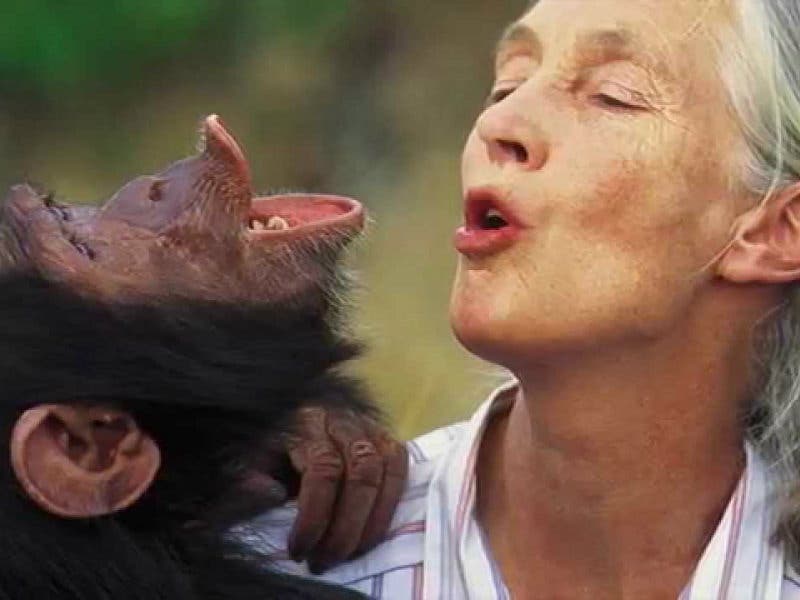
Famed primatologist Jane Goodall, in an email to Cincinnati Zoo director Thane Maynard:
“ … I tried to see exactly what was happening — it looked as though the gorilla was putting an arm around the child — like the female who rescued and returned the child from the Chicago exhibit. … How did the others react? Are they allowed to see, and express grief, which seems to be so important?”
Find out what's happening in Clevelandfor free with the latest updates from Patch.
Jack Hanna, director emeritus of Ohio’s Columbus Zoo and host of a series of television programs on wild animals, on Good Morning America:
“I've seen him take a green coconut, which you can't bust open with a sledgehammer and squish it like this. You're dealing with either human life or animal life here. So what is the decision? I think it's very simple to figure that out.”
Find out what's happening in Clevelandfor free with the latest updates from Patch.
Biologist and primatologist Frans De Waal, director of the Yerkes National Primate Research Living Links Center at Emory University, on Facebook:
“There was no moment of acute aggression. ... If the gorilla had wanted to kill the child, one bang of his fist would have done it. People have no idea of their superhuman strength. Yet, he didn’t perform any killing move. … I should also clarify, since people on Facebook have said that gorillas are dangerous predators, that this is entirely wrong.”
Animal expert Jeff Corwin, on CNN:
“Here's the thing, when you go to these places, the zoo is not your babysitter. You have a responsibility. We have so many examples where people don't employ common sense.”
University of New England animal behavior expert Gisela Kaplan, author of “Orangutans in Borneo,” to The Daily Telegraph:
“The silverback would’ve understood that it was a defenseless small child. They would not normally attack, they are not an aggressive species (and) in the wild I’m certain the boy wouldn’t have been killed.”
Ian Redmond, chairman of The Gorilla Organization, to CNN:
“When gorilla or other apes have things they shouldn’t have, keepers will negotiate with them, bring food, their favorite treats, pineapple or some kind of fruit that they don’t know and negotiate with them. I don’t know if that was tried or people thought there was too much danger but it does seem very unfortunate that a lethal shot was required.”
Anthropologist, primatologist and National Geographic wildlife correspondent Mireya Mayor to People:
“I don't think it was gorilla's intent to hurt that little boy, because he very easily could have. I did notice, however, as the crowd became increasingly loud and alarmed, so did the gorilla, The problem is that unintentionally Harambe very well could have killed that little boy, if the boy could have [hit] his head. That's why I think that the zoo had no choice but to do what they did.”
Image credit: Jane Goodall via YouTube
MORE ON THE KILLING OF HARAMBE
» Shot That Killed Gorilla Harambe Refuels A Revolution
» 5 Gorilla Conservation Groups to Support in Memory of Harambe
» Who’s the Hairy Ape? 5 Surprising Facts About Gorillas
Get more local news delivered straight to your inbox. Sign up for free Patch newsletters and alerts.