Health & Fitness
Fad Diets and Type 2 Diabetes
If you have diabetes, here's what you should know about whether the latest fad diet is safe for you.
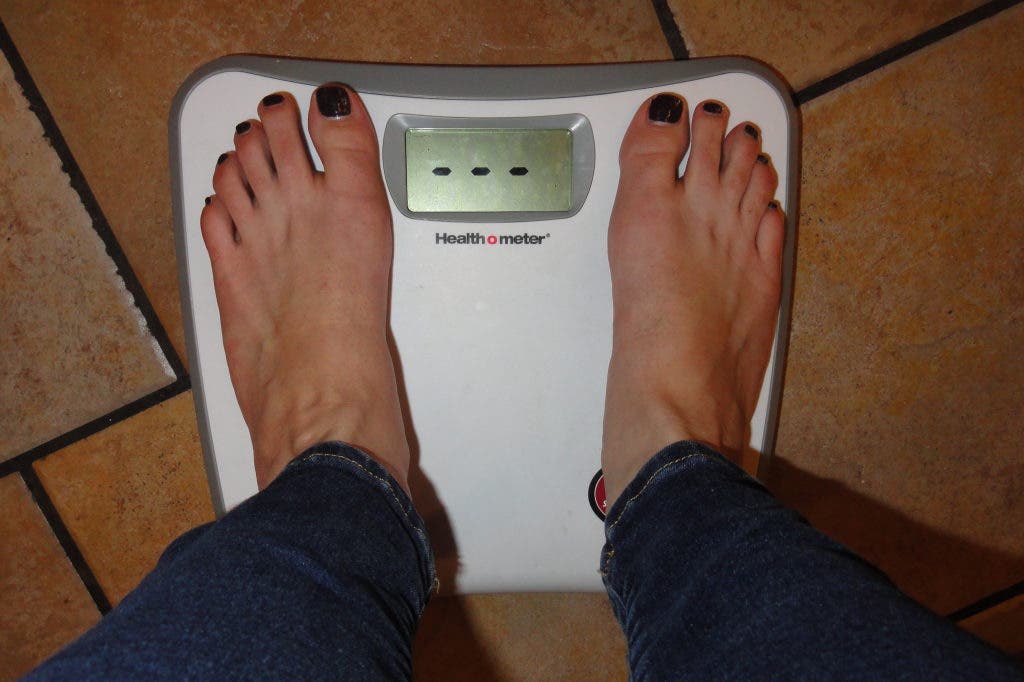
Juice cleanse diets, the Mediterranean diet, the ever-popular low-fat diet, the Cabbage Soup diet – if you can think of it, there is a fad diet plan already developed. With type 2 diabetes, however, certain fad diets just have no place in your daily nutrition plan.
How Do You Know Which Diet Plans are Safe?
As a diabetic, the most important element of any diet will be carbohydrate management. Of course, this by no means carbohydrate elimination. A moderate amount of carbs are necessary to maintain healthy blood sugar levels, and without carbohydrates your body has very little fuel to run effectively.
Find out what's happening in Cleveland Heightsfor free with the latest updates from Patch.
The trick to maintaining a healthy diet is simply balance. Especially for borderline diabetics, a balanced diet can help manage and even reverse symptoms of type 2 diabetes. Any fad diet that is poorly balanced should stand out as a poor option for anyone – diabetics in particular.
Weight control and diabetes management requires a healthy balance of lean proteins, whole grains, fruits and vegetables, lean dairy, and healthy fats. Any fad diet that eliminates a food group or severely restricts caloric intake is a no-no. Similarly, any diet that emphasizes a single food group over all others is also likely to be dangerous for diabetics.
Find out what's happening in Cleveland Heightsfor free with the latest updates from Patch.
Think Carefully Before Beginning a Diet Plan
Diet plans that promise swift weight loss and any number of other miraculous health benefits are typically unwise options for diabetics. Weight loss and proper diet must be a long-term, daily commitment to make sure that you are able to safely maintain healthy blood glucose levels while helping to reduce the burden of diabetes on your organs. Before beginning any specialty diet plan, consider these tips:
- Talk to your doctor or dietician. Even plans that seem reputable, such as the Mayo Clinic Diet or the South Beach Diet may not be the best option for you. Always discuss your plans for adhering to a specialty diet with a health professional. Diabetes Partnership of Cleveland, for instance, has diabetes educators available to answer questions about diet and glucose management - run your diet idea by one of them before starting anything new!
- Never follow a “fasting” or “cleanse” diet. These crash diets often restrict your calorie intake to very low levels, and skipping meals can lead to a dangerous drop in blood sugar that can have serious consequences. Similarly, diets that require multiple meals per day of a single recipe or food group – particularly liquid diets – can lead to spikes in blood glucose and can also cause malnutrition when maintained over longer periods of time.
- Remember that no "special" plan is needed as a diabetic. Besides watching carbohydrate intake and closely monitoring blood glucose levels, diabetics do not need to eat “special” foods or follow seriously restricted diet plans. Common sense avoidance of sugary foods and foods with high glycemic indexes, coupled with a well-balanced and nutritious diet, is all that is necessary to manage your diabetic diet.
So before you jump on the juice or potato pancake bandwagon (or whatever else is in diet vogue at the moment!), carefully consider the impact that such a diet would have on your blood glucose and your general nutrition. No special fad or expensive planned diet is necessary provided you think smart, eat a balanced diet, and monitor your blood sugar carefully. Happy eating!