Schools
Fed Begins Regulating Snacks Sold in Schools This Year
The standards limit calories, sodium, sugar and fat in food, and regulate beverages.


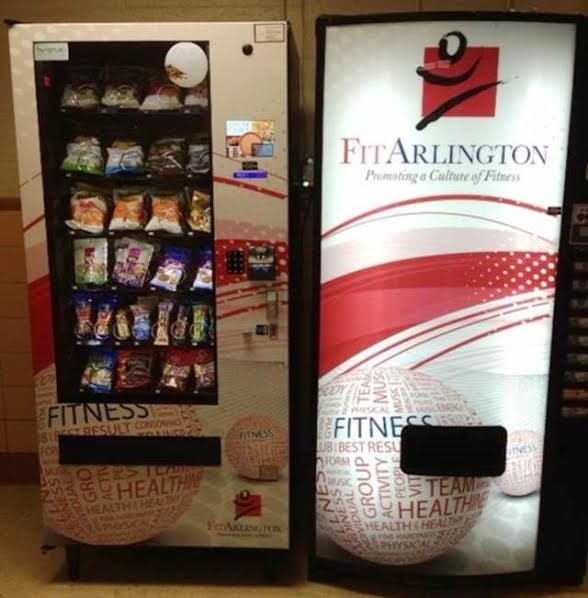
Federal regulations for food sold in public schools implemented this school year aim to promote healthier eating and curb childhood obesity.
The “Smart Snacks in Schools” initiative is part of the Healthy Hunger Free Kids of 2010 and introduces standards that limit calories, sodium, sugar and fat in food, and include separate rules for beverages.
Childhood obesity has increased in recent years with one in three children aged 2-19 considered either obese or overweight today.
Find out what's happening in Cleveland Heightsfor free with the latest updates from Patch.
According to the U.S. Department of Agriculture, more than 100,000 schools are adopting the new regulations.
“By switching to healthy vending machines, Wasatch High School (in Utah) is proactively ensuring our compliance with the impending federal regulations, while introducing our students to better alternatives to junk food and soda,” principal Shawn Kelly said in a press release. “This is an all-around win.”
Find out what's happening in Cleveland Heightsfor free with the latest updates from Patch.
Public schools in Arlington, Va., got a headstart on these standards. They began installing healthy vending machines in collaboration with the countywide FitArlington initiative, which met these regulations as early as Dec. 2013. The FitArlington initiative installed healthy vending machines in county parks, government offices and community centers.
“The new USDA standards really helped us because schools had more of an incentive to partner with us,” said Erica Krepp, community health promotion manager at Arlington County.
“We actually updated our vending machines to meet the USDA standards,” Krepp said. “Now all vending machines accessible to children meet these new standards.”
Public schools in Oregon, Utah and North Carolina have also stocked vending machines with healthy food that meet the USDA standards.
Some school officials say one of the difficulties with implementing healthy food standards is balancing nutrition with taste.
“Our challenge is that without food that tastes good, students have the opportunity to leave campus and end up going to convenience stores or fast food restaurants, and the choices they are making there are probably not as nutritious as our school lunches,” said Jennifer Delgado, media manager for school district 214 in Arlington Heights, Ill.
That district is opting not to adopt the USDA standards, sacrificing the federal government’s subsidized lunches.
Students took to Twitter earlier this summer to voice their opinions on their schools’ new vending machine options.
Twitter user @Shaquillestjohn tweeted, “I’M CONFUSED AS TO WHY ALL OF THE ATTRACTIVE FOOD HAS BEEN REMOVED FROM THE VENDING MACHINES AT SCHOOL, now we must starve.”
Arlington, Va., has held tasting events for students and has conducted surveys to identify healthy foods that students like.
School districts in other states have conducted similar tests.
Dr. Robert S. Lewis, director of nutrition services at El Monte school district in California says healthy habits in school translate into healthy habits at home.
“When nutrition education begins at the school level, it means that students will develop lifelong wellness habits reinforced by teachers and administrators,” Lewis said. “It also means that nutrition education is not isolated from the core curriculum; students see wellness as part of the whole educational picture.”
Photo Courtesy: Erica Krepp
Get more local news delivered straight to your inbox. Sign up for free Patch newsletters and alerts.