Community Corner
Raw Sewage Into Lake Erie: Cleveland Heights Remedying Sewer Overflow
The city signed a Partial Consent Decree with the EPA, mandating upgrades to sanitary and sewer systems throughout the city.


CLEVELAND HEIGHTS, OH — The city of Cleveland Heights provided and update on its work with the U.S. Environmental Protection Agency on Friday. The city was sewed by the EPA in late July for allowing sewer overflow into Doan Brook and Dugway Brook, which flow into Lake Erie. The city also signed a consent decree with the EPA which mandates an upgrade to the city's sewer system,
To this point, the city said it has rehabilitated the sewer infrastructure along Randolph Road and installed a new relief sewer on Fairmount Boulevard. The city also initiated a study of the sewer system, and has also initiated enhanced maintenance and management practices, as dictated by the Decree.
The city said the EPA is expect to ask the United States United States District Court, Northern District of Ohio, Eastern Division, to sign-off on the Partial Consent Decree, completing a two-year negotiation process. (To stay up to date on these stories, subscribe to the Patch Cleveland Heights newsletter. As news breaks and the story develops, you will be the first to receive updates from Patch.)
Find out what's happening in Cleveland Heightsfor free with the latest updates from Patch.
"City officials recognize the need to upgrade practices and to carefully study improvements that might be necessary in order to remediate this century old system to today's requirements and standards," Tanisha Briley, Cleveland Heights City Manager said in a release. "As the Partial Consent Decree noted, the City has already made several improvements in the systems where frequent problems exist. Our efforts and actions continue."
The Partial Consent Decree mandates the city spend $12 million on upgrading its sewer infrastructure between 2017 and 2021. Once phase one of the infrastructure investment is completed, the city and the EPA will negotiate phase two.
Find out what's happening in Cleveland Heightsfor free with the latest updates from Patch.
The city said its more than 100-year-old sewer system was designed to overflow to prevent backups into homes during storms. The Clean Water Act mandates sanitary collection systems must operate witout overflows, which can run into natural bodies of water, like Lake Erie.
“Keeping raw sewage out of U.S. waters and communities is a priority for EPA because overflows can present a significant threat to human health and the environment,” said EPA Region 5 Water Division Director Chris Korleski in a statement from late July.
The EPA will have jurisdiction over the city while the sewage problems are remedied.
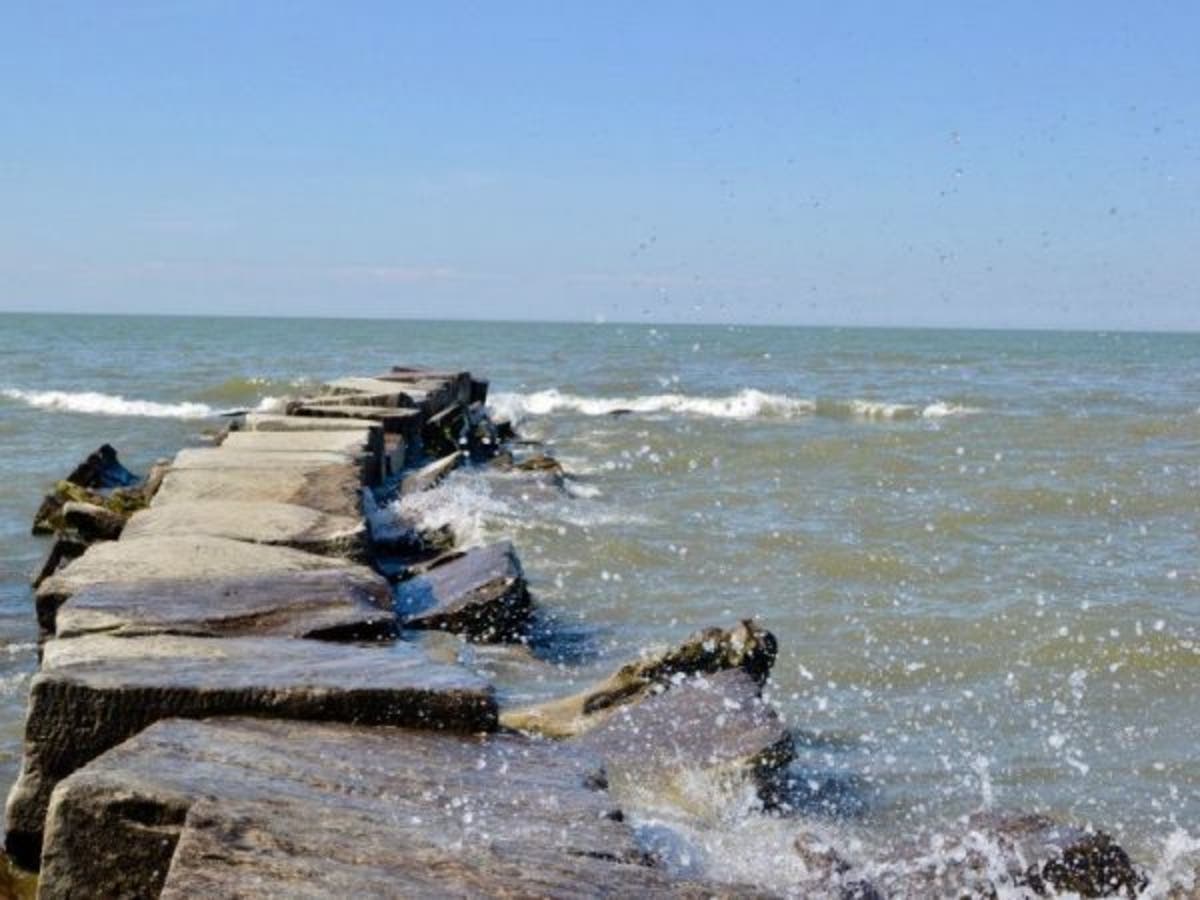
Photo from Rick Uldricks, Patch
Get more local news delivered straight to your inbox. Sign up for free Patch newsletters and alerts.