Politics & Government
CVS, Walgreens, Walmart May Owe $10B To PA, Others In Opioid Lawsuits
Lawsuits seeking to hold the major pharmacies accountable for their role in tens of thousands of deaths could send another huge sum to PA.


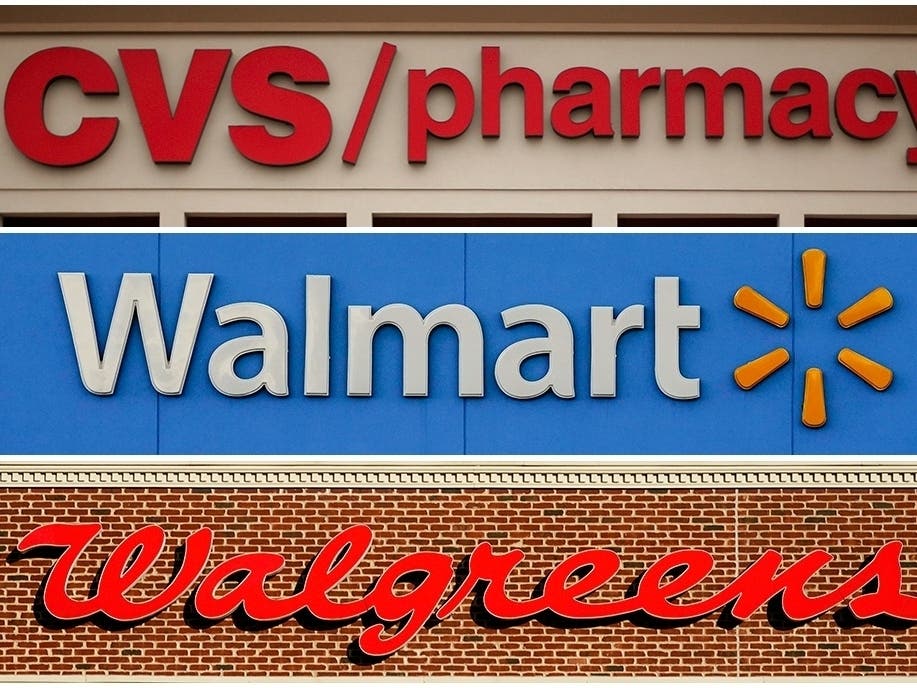
PENNSYLVANIA — The nation's largest pharmacies could soon be sending massive sums of money to Pennsylvania and other states to resolve lawsuits connected to their responsibility for the opioid epidemic, which has killed tens of thousands of Americans a year over the past decade-plus.
CVS and Walgreens have agreed to pay about $10 billion to local, state, and tribal governments amid claims that the pharmacies grossly mishandled prescriptions for opioid painkillers. Walmart is still negotiating its deal, but Reuters reported the settlement under discussion was in the $4 billion range.
Details remain very scarce. It's not yet clear exactly how much Pennsylvania may receive in the deal, though the state is one of 13 that led the negotiations against CVS.
Find out what's happening in Across Pennsylvaniafor free with the latest updates from Patch.
The Keystone State has already received massive settlements to help address the impacts of the epidemic, which has sickened tens of thousands more and left irreperable and lasting harm in communities around the country.
“Every company that fueled this deadly epidemic will answer for their reckless actions,” Pennsylvania Attorney General Josh Shapiro said earlier this year.
Find out what's happening in Across Pennsylvaniafor free with the latest updates from Patch.
A majority of plaintiffs still must approve the settlements. Walgreens and CVS both agreed to pay about $5 billion each, and Walmart agreed to pay about $3.1 billion, Reuters and The New York Times reported.
The plaintiffs argued the pharmacies should have flagged inappropriate prescriptions, which were often signed based on psuedo-science promoted by pharmaceutical companies. Teva, for instance, broadly encouraged the notion that signs of addiction in patients were really "pseudo-addiction," a condition which they claimed should be treated by taking even opioids. Teva and other companies also downplayed the general risk of addiction and overstated the benefits of drugs to doctors, officials said.
In 2022 alone, Pennsylvania has already seen cash from billion-dollar plus opioid settlements with Endo, Teva, and Purdue pharmaceuticals. The Keystone State alone received $1 billion in the Purdue deal, although, famously, no members of the company's ruling Sackler family have ever seen jail time as a result.
Previously, Johnson & Johnson and the “big three” distributors, McKesson, Cardinal Health, and AmerisourceBergen, agreed to a landmark $26 billion settlement of 3,000 opioid crisis-related lawsuits nationwide.
In general, the money is to be spent on evidence-based programs that save lives, prevention programs for youths, and racial equity initiatives. Shapiro vowed as recently as September that money from settlements would be used strictly for drug prevention-related programs, not general funds as in the past.
Pennsylvania has disbursed money to county and municipal governments in past settlements. With Purdue, for example, 70 percent of the funds were distributed to the counties, 15 percent to the state, and 15 percent to other jurisdictions within the state that put forward their own litigation against Purdue.
All told, the opioid overdose crisis that has been linked to more than 500,000 U.S. deaths since 1999, according to Centers for Disease Control and Prevention data. Provisional CDC data for 2021 shows opioid overdose deaths increased from an estimated 70,029 in 2020 to 80,816 in 2021. Overdose deaths from synthetic opioids, primarily fentanyl, and psychostimulants such as methamphetamine and cocaine, also continued to increase from 2020 to 2021.
More than 5,000 people in Pennsylvania died of drug overdoses in from May 2021 to May 2022, according to the CDC, though that number does represent a 4.4 percent decrease from the year previous. Although that data isn’t sorted by type of drug, the CDC says 82 percent of overdose deaths involve synthetic opioids.
Get more local news delivered straight to your inbox. Sign up for free Patch newsletters and alerts.