Politics & Government
New COVID Variant Emerging In PA As Holidays Approach
Hospitalizations are rising nationwide, and health officials urge Pennsylvanians to get fully vaccinated.


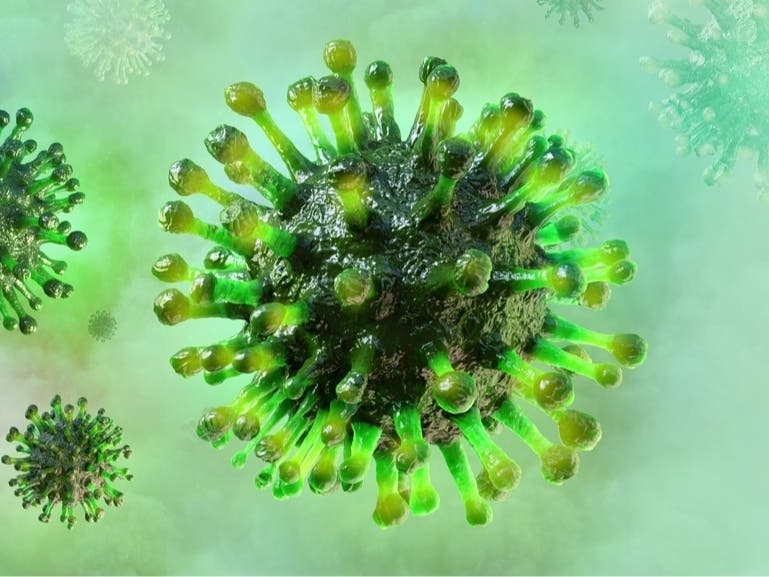
PENNSYLVANIA — A new COVID-19 subvariant called JN.1 has emerged in Pennsylvania and is responsible for an increasing share of coronavirus hospitalizations as the winter holidays approach, officials said.
JN.1 has not displaced HV.1 as the dominant variant in Pennsylvania or nationwide, according to public health officials. JN.1 currently accounts for 14.1 percent of all cases in the Centers for Disease Control and Prevention's five state area including Pennsylvania, Delaware, Maryland, Virginia, and West Virginia. That's the second most behind HV.1, which accounts for 35.4 percent of all cases.
CDC data shows COVID-19 hospitalizations were up 1.55 percent nationwide for the two-week period ending Dec. 9, and up
Find out what's happening in Across Pennsylvaniafor free with the latest updates from Patch.
The Pennsylvania Department of Health has not issued alerts related to JN.1 specifically but urged residents to get their vaccinations
“Getting vaccinated remains the most effective way to protect yourself against respiratory viruses that regularly circulate during the holiday season, when many of us attend gatherings with family and friends," Acting Secretary of Health Dr. Debra Bogen said in a statement. "It’s safe to receive both the flu and COVID-19 vaccinations at the same time."
Find out what's happening in Across Pennsylvaniafor free with the latest updates from Patch.
Importantly, fewer people were hospitalized for COVID than at this time last year, and nowhere near the peak of 150,650 hospitalizations on Jan. 15, 2022.
Still, public health officials are worried about JN.1 as the number of people who have gotten the updated vaccine remains low. The CDC expects the booster to protect against the JN.1, and new COVID tests should detect it and other strains.
Vaccine coverage in Pennsylvania is at about 19.8 percent of all adults, according to the CDC.
The CDC says there’s no evidence the symptoms of JN.1 are more severe than for other strains, and the severity of illness usually depends on the person’s immunity. While symptoms don’t change much as the virus mutates, this one in particular evolves quickly, raising concern it may be better at evading immune systems, according to Yale Medicine.
The variant evolved from BA.2.86, or Pirola, an Omicron variant/ Noting the number of changes to its spike proteins — more than 30 — scientists worried last summer it might mutate beyond the capacity of vaccines and antibodies to fight it.
The first U.S. cases of JN.1 were reported in September. The number of cases increased from 3.5 percent in mid-November to the current 21 percent, according to the CDC estimates.
The increase comes as two other respiratory illnesses, seasonal influenza and RSV, are also increasing hospitalizations. The best thing families can do as they gather for the holidays is to make sure everyone is vaccinated although it usually takes a couple of weeks for protection to develop.
Also, experts advise, people who have symptoms should stay home. If that’s not possible, consider masking. Hosts should arrange seating to allow for social distancing if possible, encourage hand-washing and strategically place hand sanitizer and tissues in areas where guests will be gathering.
Get more local news delivered straight to your inbox. Sign up for free Patch newsletters and alerts.