Neighbor News
Helping seniors and adult children manage the challenges of aging
Older adults can maintain independence as they age through open communication, honesty with adult children
As parents and loved ones age, it’s normal for family members and adult children to worry about their safety, well-being and care. Sometimes though, adult children may be unsure about how to best approach these sensitive, emotional and sometimes difficult conversations, especially when parents or older loved ones are still independent.
Jewish Family & Children’s Service (JF&CS) is committed to ensuring older adults and their adult children feel empowered and supported in the decisions they must make as they face the challenges of aging, by providing valuable resources for keeping older adults safe and comfortable, and often in their own homes, living as independently as possible.
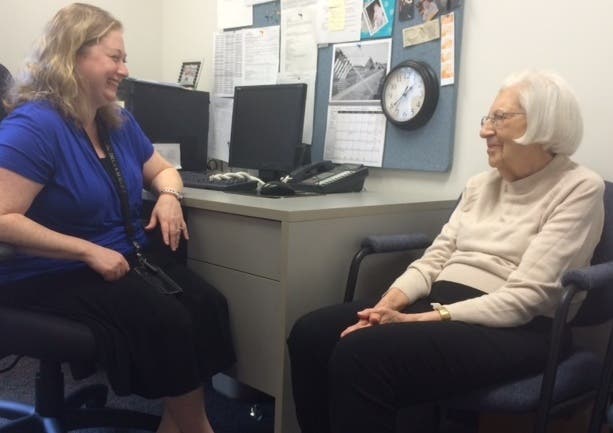
Stefanie Small, clinical services supervisor and a geriatric care manager at JF&CS, works with older adults in the community and their adult children to help them cope with, manage and find solutions for the challenges that are associated with aging.
Find out what's happening in Baldwin-Whitehallfor free with the latest updates from Patch.
“It’s important for adult children to know they can approach difficult topics, and for older adults to know they can discuss these issues with their children while still maintaining their dignity and independence,” Small said. “Adult children need to approach conversations in a way that ensures their aging loved one feels supported and knows their child is not taking over, but instead they are making informed decisions together.”
Small said the following tips can be a good place to start addressing a parent or loved one’s changing needs as they get older, and help seniors to live independently in their homes for longer periods of time.
1. Conduct a walk-through of the home – Adult children and their parents should work together to ensure the physical living space is safe by considering what may pose challenges or dangers in the home. Consider assessing how the older adult is able to enter and exit the home safely, remove rugs, which could cause a trip or fall, and install grab bars in the shower. “The goal is always to help keep seniors in their homes for as long as possible,” Small said. “Above all, communicate with your loved one that you want to make sure the house is safe, with their input, so they can continue to live independently, and they’ll be much more comfortable and receptive to these efforts.”
2. Create a more manageable living space – Small suggests adult children and their parents should consider “downsizing” belongings, furniture and paperwork that have accumulated over time. Reducing clutter will help make the home more manageable and give adult children a sense of what their aging loved ones deem important. Consider what can be donated or thrown away or what items older adults would wish to give to friends or other family members. “Do this with older adults, rather than for them, so they still feel a sense of control over their belongings and wishes,” she said. “It’s also a way to become acclimated with important information, so you know where the checkbooks, medical records and insurance cards are in case of an emergency.”
3. Have conversations about important legal documents - Adult children should encourage parent or elderly loved ones to consider the importance of creating wills and advance directives, and establishing a health care power of attorney if they haven’t already. Consider having an honest and open discussion with older loved ones about their wishes in the event of an emergency. These important documents and conversations will give both parents and adult children peace of mind in knowing wishes will be respected if a tragedy occurs.
4. Seek out support and community resources – Consider reaching out to JF&CS’s geriatric care coordinators, who can provide a family consultation at the JF&CS office to help facilitate communication, provide expert suggestions or solutions and connect families with additional support and resources. “Family consultations open the door for communication in a neutral setting” Small said. “The neutrality of the location and the geriatric care coordinator helps people realize that we’re there to help them choose the best path.”
Find out what's happening in Baldwin-Whitehallfor free with the latest updates from Patch.
Above all, Small said early involvement and open communication is the best way to approach the challenges of aging and maintain relationships between adult children and their elderly loved ones.
“Get involved while your parents or loved ones are still independent,” she said. “Have these conversations before anything changes or else you may be in a crisis situation and wondering where mom’s checkbook is or what medications dad takes regularly.”
JF&CS aims to help identify strengths, healthcare needs, safety issues and resources to meet changing needs and challenges related to aging. Through JF&CS’s home care coordination, licensed home care registry (Caregiver Connection), tools like the ElderAlert personal emergency response system and the AgeWell Pittsburgh resource hotline, many services are available to help older adults obtain the highest level of independence, comfort and safety consistent with their capacity and preferences for care.
JF&CS approaches aging from all perspectives, to give families options instead of ultimatums. To learn more, visit www.jfcspgh.org or call AgeWell Pittsburgh hotline at 1-877-243-1530, toll-free, or call 412-422-0400.
Photo: Stefanie Small, clinical services supervisor and geriatric care manager at Jewish Family & Children’s Service, works with older adults and their families to provide solutions and resources for the challenges associated with aging.