Health & Fitness
Energy Use = Land Use
The Envision Lehigh Valley meeting encouraged me to think of energy policy in terms of land use.
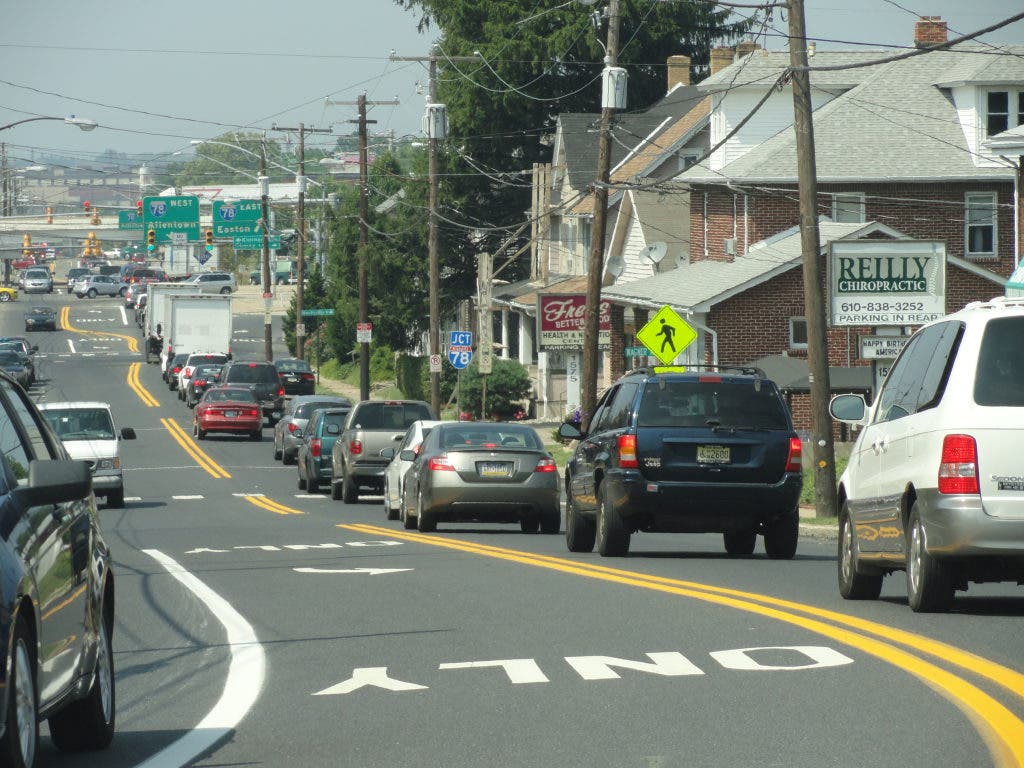
Last Wednesday, several hundred people gathered at ArtsQuest in Bethlehem to discuss the future of the Lehigh Valley. When we broke into small groups, some of us brainstormed ways to make the Valley more energy efficient. Several different ideas were suggested including a comprehensive energy plan, the use of LED lights, and cooperative energy designs. However, one suggestion stood out as the obvious starting place for any energy policy: efficient use of land.
The energy problem in this country is inherently tied up with the way that we utilize land. If you stop to think about your major energy expenditures, it becomes obvious that the main culprits are heating and cooling costs for homes, the cost of running appliances, and gasoline for cars (largely commuting from suburban homes to jobs). By government estimates, these uses consume some eighty percent of all energy used in America.
The easiest way to curb this energy waste is to make our land policy more efficient. That means encouraging people to live and work in the same location and increasing housing density. If the Valley is projected to add some 140,000 more people over the next few decades, then we must try to add these people to the urban cores rather than cornfields if we want to significantly reduce energy waste. Incidentally, many of the newcomers will be a younger demographic who want a denser urban lifestyle anyway.
Find out what's happening in Bethlehemfor free with the latest updates from Patch.
Energy use and land use go hand in hand and we must be conscious of the fact that the way we develop land dramatically influences how much energy we consume. Technological solutions like LEDs and solar panels are nice band-aids, but the energy savings of one family choosing to live in an efficient downtown apartment compared to the average suburban home is the equivalent of several hundred telephone-pole mounted solar panels. As with most things in life, the easiest solution to the energy problem is probably the best, because increased middle-class density in core cities has spill-over benefits like an increased city tax base, better inner city schools, reduced farmland development, less strain on transportation systems, and increased commercial vitality.
In short, I would encourage all of us to consider the energy problem as a problem of low housing density and develop policy from that perspective. The benefits could be immense.