Politics & Government
Fractivists Want River Commission to Regulate Gas Pipelines
Environmental activists want The Delaware River Basin Commission to regulate gas pipeline construction that could affect the watershed

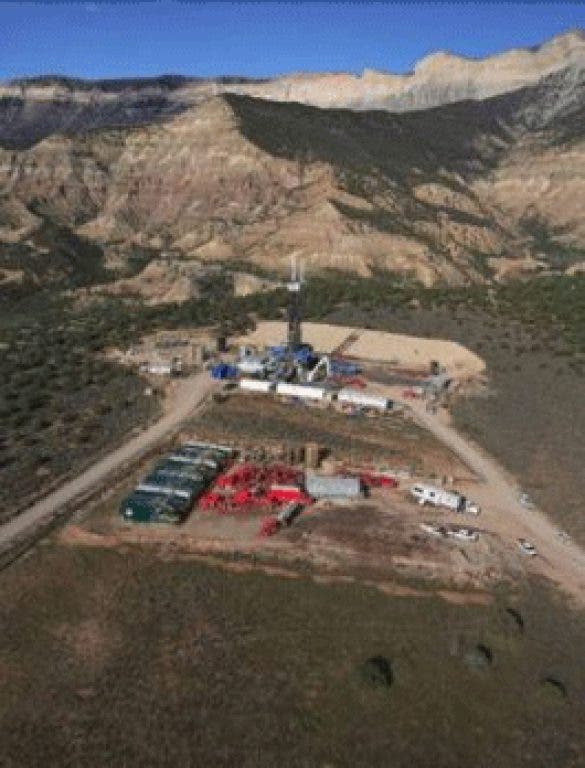
The Delaware River Basin Commission (DRBC) remains silent on new Marcellus Shale drilling regulations for the Delaware River watershed as commission members from New York work on completing their regulatory update, according to a State Impact report.
In the meantime, pipeline construction in Pennsylvania is booming. Smaller lines from wellheads, as well as large interstate lines, will go below rivers and streams. Activists who want the DRBC to ban gas drilling also want the commission to start weighing in on pipelines near waterways which feed the Delaware.
Should the DRBC regulate new gas pipelines that could affect the Delaware River watershed? Tell us what you think in the comments section below.
Find out what's happening in Bethlehemfor free with the latest updates from Patch.
It's been ten months since the DRBC canceled a vote on natural gas regulations that would have allowed drilling in the Delaware River watershed.
On Wednesday, at its fourth meeting since that canceled vote, none of the five members - representing Pennsylvania, New Jersey, Delaware, New York, and the federal government - on the Delaware River Basin Commission offered comment on the matter, according to a Philly.com report.
Find out what's happening in Bethlehemfor free with the latest updates from Patch.
Despite low prices and a new tax on the industry, natural gas production in Pennsylvania has doubled in the past year.
Drillers operating in Pennsylvania’s expansive Marcellus shale gas field extracted 895 billion cubic feet of gas during the first six months of 2012, according to figures released by the state Department of Environmental Protection.
That’s up from about 435 billion cubic feet during the same period in 2011, according to DEP.
More than 2,700 actively producing Marcellus shale gas wells exist in Pennsylvania, with the highest concentration in Washington and Greene counties in the state’s southwest corner and Tioga, Susquehanna and Bradford counties along the northern tier, according to DEP.
Get more local news delivered straight to your inbox. Sign up for free Patch newsletters and alerts.