Politics & Government
Pa. State Incentives Fuel Solar Market Collapse
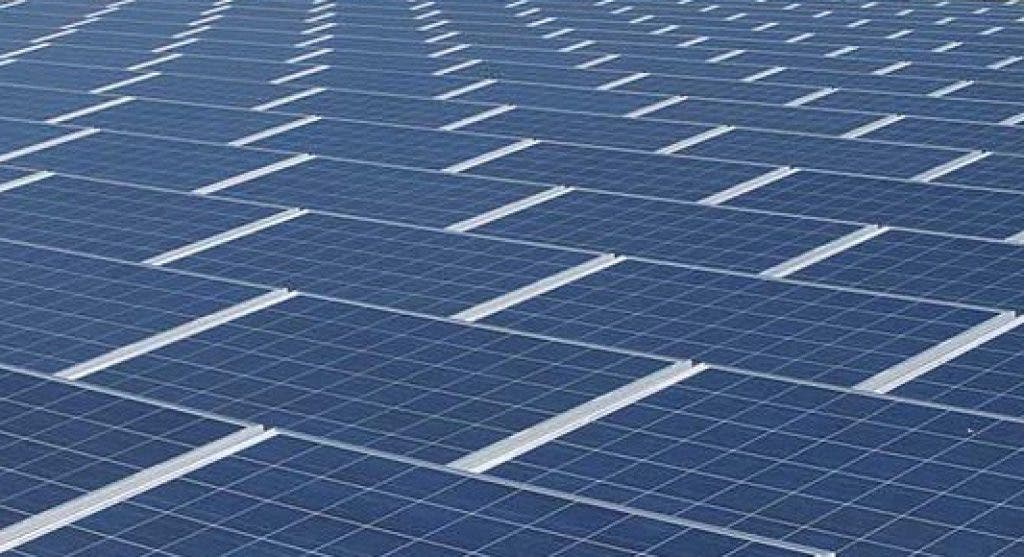
Pennsylvania's once-burgeoning solar power industry is now in decline

By Melissa Daniels | PA Independent
HARRISBURG — After state investment helped swell Pennsylvania’s solar energy industry to the point of overproduction, the industry is headed out of the commonwealth, taking millions in tax incentives and a job market.
Solar industry insiders pushed for a legislative fix, but critics say the industry has had its share of government intervention, and any new regulations would increase costs to consumers.
Find out what's happening in Bethlehemfor free with the latest updates from Patch.
Terry Fitzpatrick, president and CEO of Energy Association of Pennsylvania, trade group for the state’s electric and natural gas industries, said government is micromanaging the market.
“We generally rely on markets for these things,” he said. “Any type of electric generation, if you overbuild it, causes the market price to go down. That’s the risk you take when you invest in things.”
Find out what's happening in Bethlehemfor free with the latest updates from Patch.
The Energy Association of Pennsylvania was one of several groups comprising oil, coal, business and manufacturing interests that spoke out against House Bill 1580. The bill, sponsored by state Rep. Chris Ross, R-Chester, would alter solar power requirements for utility companies.
But the Energy Association and other groups called it an artificial market fix.
The Alternative Energy Portfolio Standards Act requires utilities to use 18 percent alternative energy by 2020, with 0.5 percent coming from solar power.
Ross’ bill would change the amount of solar required through 2015 from 0.14 percent to 0.2 percent, speeding up the process in hopes to boost the market. Proponents say the change would stabilize prices for Solar Renewable Energy Credits, a trading commodity utilities can buy to fulfill alternative energy requirements.
In Pennsylvania, SREC prices dropped drastically when output exceeded required amounts, a case of too much supply and not enough demand.
Ross’ bill has gone nowhere since it stalled after a House Consumer Affairs Committee hearing in January.
In a few years, under AEPS guidelines, the SREC market could even itself out when utilities are required to purchase more solar, Ross said. But at that point, industry players may have fled to other states.
“The challenge will be, we still have a relatively small amount of power coming from those sources and it won’t grow around here,” he said. “Other states will wind up putting up a lot more solar, so they’ll have more of a mix between their renewables.”
The solar power industry employs about 4,700 Pennsylvanians.
Other Northeastern states, such as New Jersey, Massachusetts and Maryland, have more favorable SREC markets, said Maureen Mulligan, government affairs for solar power trade group Pennsylvania Solar Energy Industry Association, or PASEIA.
“The problem gets worse month by month as more businesses decide to leave Pennsylvania,” Mulligan said.
Pennsylvania spent millions on pushing solar as the SREC market developed. The $100 million Sunshine Solar Rebate Program offered rebates to consumers and small businesses who installed solar projects. The Commonwealth Financing Authority gave more than $57.6 million in grants and $7.3 million in loans for 79 solar-related projects; CFA no longer accepts applications for solar energy grants.
Andrew Kleeman is senior vice president of new markets for solar energy installer companyMercury Solar Systems and a PASEIA board member. He said he estimates Pennsylvania’s solar industry has lost about half the jobs it created due to the decline of the SREC market.
Without a legislative change, the other half is in danger, he said.
“The solar market grew at such exceptional rates in 2009 through 2011 that we now have almost three times the number of SRECs we need,” Kleeman said. “The state made multi-million dollar investments in solar and now we’re letting it die on the vine because of the inability of the House and Senate to move forward with a cost-free change.”
But opponents said boosting SREC requirements would cost consumers. The Energy Association of Pennsylvania estimated HB 1580 would cost consumers $100 million in the first three years of implementation. Under current laws, solar requirements will cost more than $1 billion throughout the next decade, the group estimates.
Other critics of the bill pointed out that regulating electricity use undermines wholesale competition.
Robert Powelson, chairman of the Pennsylvania Utility Commission, testified his opposition before the House Consumer Affairs Committee in January.
“By advancing the current solar carve-out, which acts as a subsidy for the solar industry, HB 1580 would increase the price of solar renewable energy credits, therefore, increasing consumers’ bills,” Powelson wrote. “This is simple supply and demand economics.”
Get more local news delivered straight to your inbox. Sign up for free Patch newsletters and alerts.