Politics & Government
Your Call Is Important to Us. NOT!
Automated answering systems contribute to the public's impression of government being run by nameless, faceless bureaucrats.
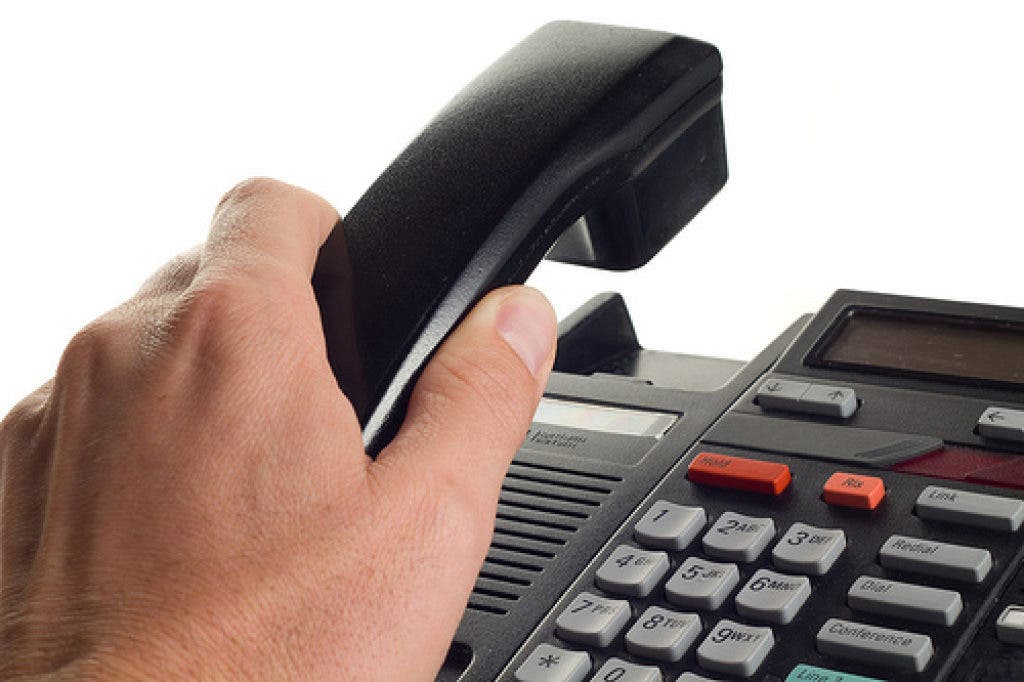

My 90-year-old mother still has all her marbles, though sometimes she forgets where she put them.
But a recent go-round with a couple of government agencies and a doctor’s office over a misprint on her Medicare card tested her patience and her sanity.
The main villains were automated answering systems, those unforgiving “Press 1 if you want this, press 2 if you want that” mechanisms that mostly don’t let you talk back. Trying to navigate them can be frustrating for anyone, but it’s especially tough for those with poor vision.
Find out what's happening in Bethlehemfor free with the latest updates from Patch.
“I just remember I thought I was going crazy for three days,” said my mom, who otherwise is a huge fan of Medicare.
When I call an agency or company and the first thing greeting me is a live voice, a feeling of utter gratitude rushes over me.
Find out what's happening in Bethlehemfor free with the latest updates from Patch.
OK, OK, so I have very low standards for happiness. But the opportunity to explain my request or problem to a real human being is such a relief. So often the automated systems give you a bunch of choices but none of them really fits your needs. I’m told that for many companies and agencies, pressing zero gets you a person. I’ve only found that to be true about half the time.
According to a 2011 Consumer Reports study on customer service, 71 percent of respondents were extremely irritated when they couldn’t reach a human being during a phone call. The survey said 67 percent claimed they have hung up without getting their business resolved.
One who has resisted turning his agency over to an automated answering system is Alan Jennings, executive director of Community Action Committee of the Lehigh Valley, which helps low-income people with such necessities as shelter, food and fuel assistance.
“I’ve had repeated attempts around me to go to a phone answering system because it’s cheaper and I flatly refused,” Jennings said. “I just don’t think it’s good customer service.
“The people we serve are so beaten down, the least they can get is a real human being that cares about them,” he said. “They live much of their lives going from crisis to crisis and they don’t find a world that’s particularly sensitive, sympathetic or easy to deal with.”
These automated systems are going to be an even bigger issue as baby boomers age. Some might say that boomers will have grown used to the automated answering services over time. But the infirmities of age – hearing loss, reduced vision, fading memory and dexterity – can amplify the frustrations most of us non-senior citizens already feel when confronted with the unbending will of a machine.
In the name of efficiency and cost-cutting, governments have become among the biggest users of automated phone systems. And with all the budget reductions they face, how can the public ask those agencies to hire more real people to be the first voice each caller hears?
Yet live receptionists might well be the best community outreach any government can have. Sometimes a call to PennDOT or a social service agency is the only personal contact a person has with government for months at a time.
If he or she is frustrated by the rigidity of an automated answering service, it’s easier to dismiss government as a bunch of nameless, faceless and mindless bureaucrats.
Bringing back real people to be the kind of “first responders” who put a human face on government would not only be good for the country’s employment picture but could also help change public perceptions about government.