Politics & Government
Let’s Avoid the Reassessment Iceberg
State Rep. Jesse White said property tax reassessment is a complicated 'hot mess'—and explains the top three problems in the system that you need to understand.

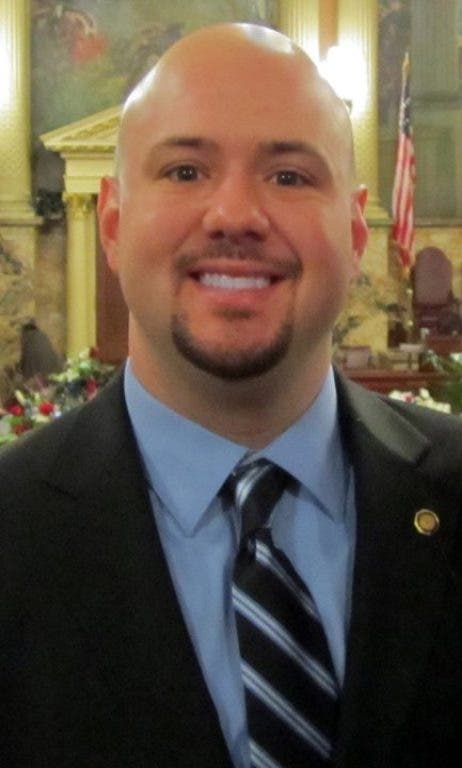
A funny thing happened a few weeks ago—a whole bunch of people woke up and suddenly realized Pennsylvania’s property tax reassessment system is a hot mess.
Unfortunately, the realization did not come with a full understanding of the problem, its origins or how we should try to fix things. The topic of reassessment is unbelievably complicated and most people don’t have the time to devote to unraveling its mysteries, so I thought I would lay out the three most important points you should know as this debate continues across Pennsylvania.
First, of the myriad of problems with reassessments, there is one fundamental problem that needs to be dealt with before any county reassesses: We absolutely must close the loophole that prevents a reassessment from turning into a massive backdoor tax increase.
Find out what's happening in Canon-Mcmillanfor free with the latest updates from Patch.
Here’s how it works:
When a county reassesses your property, they change the dollar value of a “mill,” which is then multiplied by the millage rate set by a taxing entity such as a school board, which then determines how much you pay in taxes. Under the law, the taxing body is supposed to lower the millage rate back down to offset the increase of the value of a mill; if they don’t, everyone’s taxes will skyrocket.
Find out what's happening in Canon-Mcmillanfor free with the latest updates from Patch.
Proponents of the current system claim that state law prevents these kinds of windfalls from occurring, but the problem is those laws have virtually no teeth if we need to enforce them. If a school district uses a reassessment to raise your taxes, the only remedy available is to sue them after the fact. Even if you win, the damage has already been done, and the only way the school district could pay you and everyone else back is to raise your taxes—again! It’s a black hole- once you get sucked in under the current system, you can’t get out.
Many school districts are quick to claim, almost a bit too loudly, that they would never do such a thing, but their promises don’t pass the smell test. If reassessment is designed to be revenue-neutral (meaning the school districts should not get any more tax dollars as a result), then why are school districts spending tens of thousands of taxpayer dollars in legal fees? That’s the one question no one has ever been able to answer, which means the answer is probably something they don’t want the public to hear.
I have written legislation and amendments to strengthen the anti-windfall provisions of reassessment law, but it’s been tough to get the public, the media and my colleagues in the Legislature focused on how important this specific problem is right now.
Until we get the anti-windfall issue addressed, we need to prevent the process from being used as a weapon to raise taxes by school boards too cowardly to face the voters and lawyers too willing to say or do anything to drive up their billable hours, consequences be damned. To paraphrase political strategist James Carville, it’s the loophole, stupid.
Second, people need to realize that “property reassessment reform” and “property tax reform” are not the same thing. People have looked at our situation and said, “just raise the sales tax half a percent and eliminate property taxes altogether."
Ignoring the fact that the math of such a suggestion doesn’t come remotely close to working, fundamental property tax reform requires a constitutional amendment and would take at least five years under the law—and that’s assuming everyone is in agreement. The immediate and very real problem is the avalanche of lawsuits forcing reassessments under a flawed system, which is the problem we need to deal with.
To focus on long-term property tax relief now is the equivalent of talking about the need for a car that runs on gummy bears when you’re stranded 10 miles from a gas station; it’s an important and appetizing discussion, but won’t solve the immediate problem.
Finally, there is an epidemic of people who either don’t understand the problem or don’t want to understand the problem, so it’s easier to sit back and criticize everything. Let me put it this way: When the Titanic was heading for that iceberg, they needed people to help steer the ship, not stand around and say, “You know you’re about to hit that iceberg, right?”
It astounds me how many people would rather complain about not only the problem, but also any efforts to try and fix the problem. Some of my colleagues in the Legislature, both Democrat and Republican, have been working on reassessment reform for several years now; the problem has been getting people to understand why it was necessary.
By way of example, a group of and will be introducing a comprehensive package of legislative solutions to address some of the more technical but critical problems with reassessment law. But when I mention these efforts, the overwhelming response is a litany of reasons why nothing positive will happen. The flood of pessimism is shortsighted, self-defeatist and counterproductive to any real solutions.
, the public and the media have finally realized how serious the situation is for taxpayers; hopefully we can rise above the usual instinct to complain about the iceberg we’re about to hit and actually work together to avoid the impact entirely.