Politics & Government
Message From Sen. Solobay: Shale Tax Debate Produces Progress
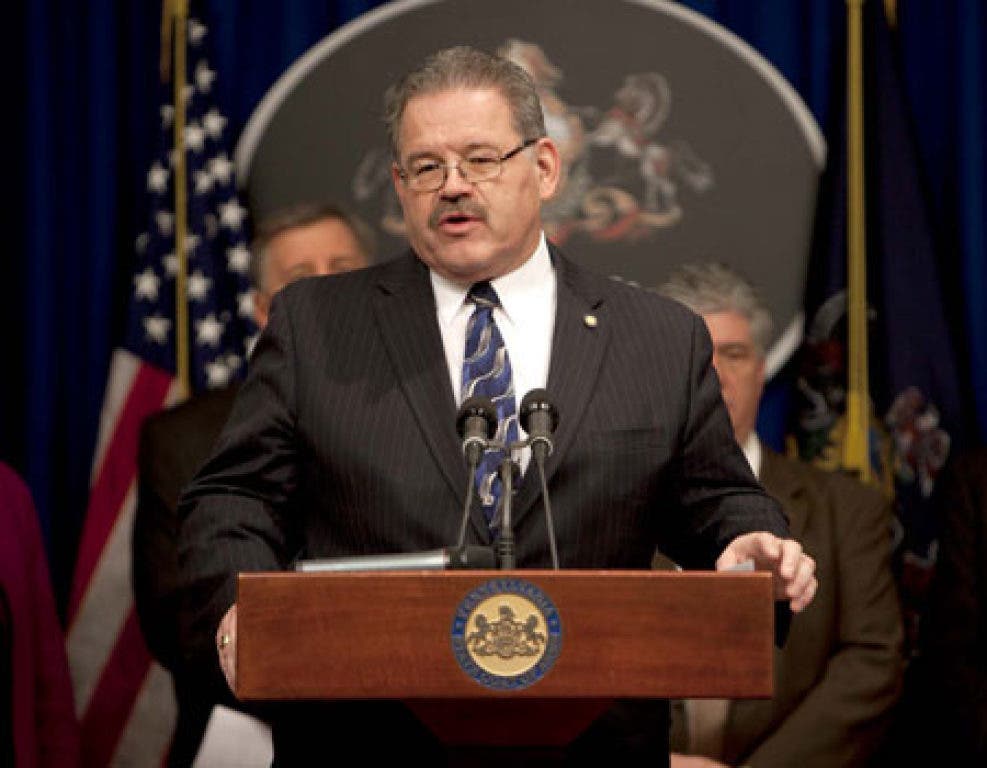
Sen. Tim Solobay talks Marcellus Shale—and SB1100.


Last week was a contentious one at the Capitol. Both the House and Senate debated and voted on separate proposals to implement a fair fee and regulations on natural gas drillers in Pennsylvania’s Marcellus Shale.
I voted in favor of our version (SB 1100) because it represented several months worth of negotiation by Republicans and Democrats.
That effort improved the bill significantly and brought at least two dozen concessions from Republicans to increase environmental protections and address a number of issues which had concerned me.
Find out what's happening in Canon-Mcmillanfor free with the latest updates from Patch.
The Senate’s Marcellus Shale proposal would:
- Impose a fee on natural gas wells retroactive to January 1, 2011
- Establish a restricted Shale Impact Account for all fees collected (see Fee Breakdown below)
- Increase the bond amounts for drillers significantly
- Increase setbacks for gas wells from structures and water supplies
- Increase fines and penalties for well violations
- Create a model ordinance for local governments to regulate drilling uniformly
- Allow for a request to the state attorney general to review local ordinances pertaining to drilling
The fee that passed the Senate would generate in the vicinity of $154 million dollars in fiscal year 2012, $213 million in 2013, and $256 million in 2014. That puts Pennsylvania somewhere in the middle of the pack when it comes to state taxes currently levied on drillers. A price adjustment factor is added to the fee when the average annual price of natural gas goes above $5.01 For more information on the legislation, you can take a look at the bill and its analysis.
Find out what's happening in Canon-Mcmillanfor free with the latest updates from Patch.
I believe that overall, this bill is a positive step in the right direction. We need to stop talking about it as we have for the last few years, and finally bite the bullet and implement a fee on these corporations. Is the bill perfect? Absolutely not. I believe if that is the standard, we will never get anything accomplished in Harrisburg. Creating public policy is about compromise, and this is an example of how that can work. We were able to receive backing from organizations representing local townships and municipalities before moving forward with a vote.
Furthermore, this bill is hardly the final word on drilling. We still need to work out differences with the House, and there are plenty of other bills scheduled to come up on our agenda this session having to do with drilling requirements, setbacks, and restrictions. In fact, I will continue my discussions with Senate President Pro Tempore Joe Scarnati to push aggressively to require vapor recovery systems on all compressor stations in order to limit the amount of natural gas by-product that escape into the air. I have witnessed these fumes myself and feel strongly that communities and the companies themselves will benefit if we mandate these controls.
Undoubtedly, the Legislature will continue to refine and improve overall energy policy in Pennsylvania. That said, we need to move to bring about the stability that a set fee will create and begin bringing that revenue into our state coffers to repair our roads, improve water and sewer infrastructure, and strengthen our environmental oversight. Looking at the big picture, I believe that by moving this legislation forward, we are taking a step in the right direction.
The House legislation (HB 1950) differs greatly from the proposal we voted on in the Senate. It represents Gov. Tom Corbett’s plan to regulate the industry and would implement less regulation and a lower fee on drillers. In its original form, it would have pre-empted all local government ordinances, regulations and resolutions regarding natural gas development.
An amendment to change this received enough of votes to allow townships and boroughs to set their own regulations as long as they are in line with zoning for other types of industrial sites. The Senate version received a similar endorsement and would still allow those entities recourse to pursue any zoning issues that they may have. I am confident that the legislation finally agreed upon by the House and Senate will address this issue in a way that makes all local municipal and local government representatives comfortable.
The coming weeks will determine where we go with this issue, but I feel confident that we are making progress and well on our way to finally regulating and taxing this industry. I will continue to provide input so that the final legislation balances the need to fuel this economic engine and continue creating jobs in Pennsylvania with the absolute necessity of protecting our natural resources and security for years to come.
As we continue to work our way through the process and the legislature as a whole works on implementing a comprehensive plan, please let me know your thoughts. As always, I value your input.
-, D-
Get more local news delivered straight to your inbox. Sign up for free Patch newsletters and alerts.