Neighbor News
Open Space Is Good for Us, Our Community, and Our Wallets and It's on the Ballot in November
Preserve wooded trails, farmlands, & clean rivers for generations. The fiscal reality: Development costs tax payers more than open space.
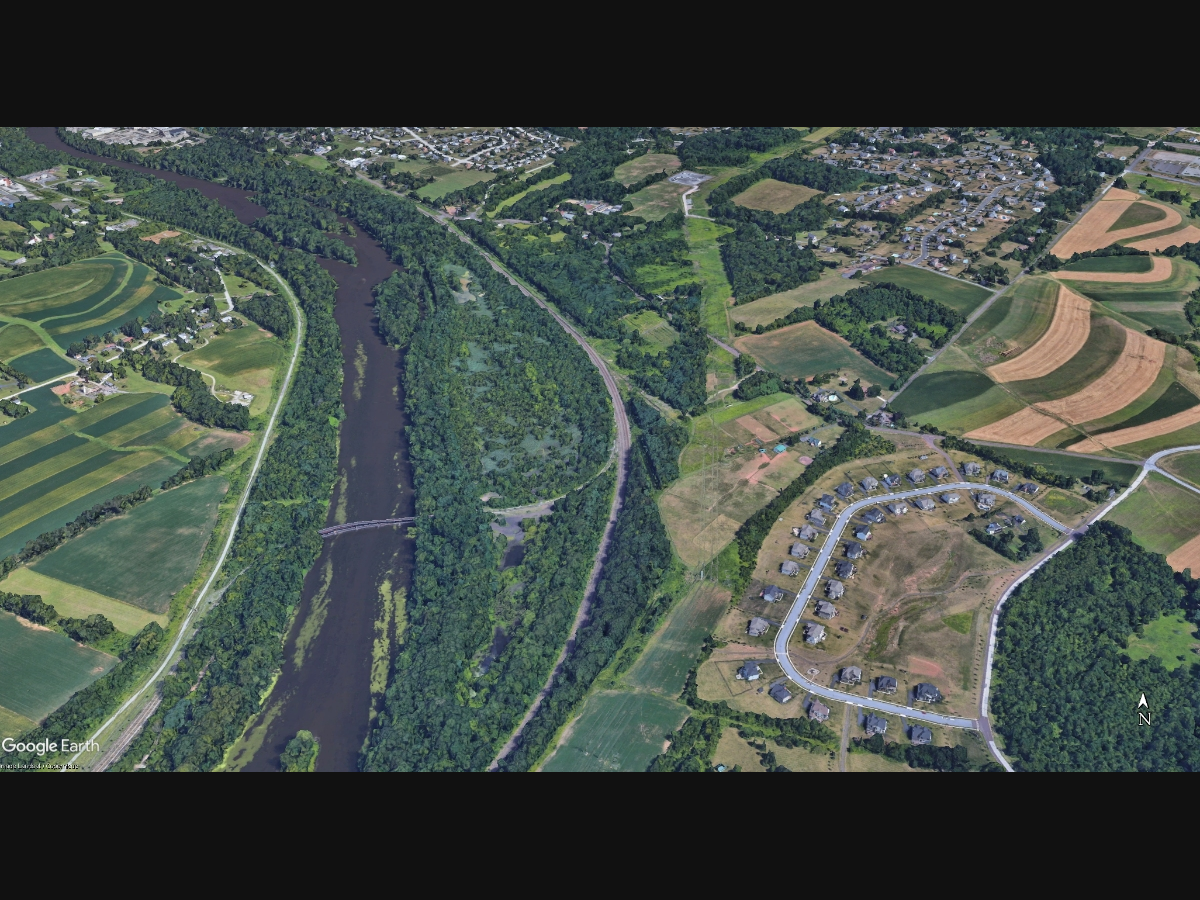
Is it worth preserving what attracted you to Upper Providence Township - the scenic vistas, walking and biking trails, the farmlands, the clean waters in which to fish and boat?
Right now, much of Upper Providence's land is privately owned and could be sold for development tomorrow. Without our own preservation fund, we're hoping private landowners will maintain our character-defining natural spaces indefinitely. That's wishful thinking, not reality.
This November, vote to approve a small tax that will allow our township to compete with developers to save the farms, trails, and scenic areas that protect our property values and quality of life, and ultimately keep costs down.
Find out what's happening in Collegevillefor free with the latest updates from Patch.
Smart Communities Preserve Their Assets
Look at successful neighboring townships. From Chester County's Westtown Township to Bucks County townships like Richland (89% approval), 123 out of 130 Pennsylvania municipalities approved these small tax increases when presented with the choice. East Vincent Township residents made a strategic investment in 2002, expanding it in 2006. Their rural character increases property and home values, while traffic stays manageable.
Find out what's happening in Collegevillefor free with the latest updates from Patch.
The Bottom Line: Development Costs More Than Preservation
Here's what many don't realize: development costs more than preservation. Each new residential development requires expanded police, fire services, schools, roads, utilities, and infrastructure. Chester County studies show governments spend $1.11 on services for every $1.00 received from residential development, while spending only $0.07 per $1.00 for preserved land.
Upper Providence is proposing a modest investment. The referendum would increase the Earned Income Tax (EIT) at the rate of 6/100th of one percent (only 0.06%) – that means $60 annually for a person earning $100,000, even pulling in revenue from nonresidents who work in the township. It would increase the real property tax by $0.50 per $1,000 assessed valuation – that means $150 yearly for a property assessed at $300,000. By spreading the tax across the two tax types, the Township is working to not overburden residents on fixed incomes, such as social security or retirement pensions.
Some suggest the township already has preservation funds, but anyone can review our public budget. Township budgets are legally restricted—our Parks budget covers maintenance, not million-dollar land purchases. If townships could simply reallocate existing money, why would 123 Pennsylvania municipalities have sought voter approval for dedicated funding? Without voter-approved funding, townships lack the financial tools to save lands from development.
Community-Driven Decisions
Pennsylvania law requires these funds be used only for their designated purpose, with citizen oversight. Local dollars often unlock matching state and federal grants, multiplying taxpayer impact through using tried and tested tools like land acquisition from willing sellers, conservation easements, and development rights purchases.
Invest In Our Quality of Life And Control Costs
- Trails, Recreation and Outdoor Play: These funds allow the township to expand and maintain recreational areas that benefit community members—hiking trails, biking paths, and playgrounds—while stopping development on lands that border these well-used natural spaces.
- Property Values: Homes within half a mile of preserved land see a 2.95% increase in value. Your modest investment protects and increases your largest financial asset.
- Infrastructure Savings: Preserved land requires minimal township services compared to developments demanding expanded police, fire, school, roads, parking, sewers, and stormwater services—all funded by your taxes.
- Flood Prevention: The heavy storms in Pennsylvania drop 60% more rain than they did six decades ago. Overdevelopment makes flooding worse and more expensive to clean up. Strategic preservation of open spaces and forested areas that absorb water, prevent road closures and costly flood damage.
- Clean Water and Air: Open spaces provide practical services that save taxpayer money. Vegetation cleans water before it runs into our rivers, improving fishing and water sports. Trees cool the air and clean it – rural areas consistently enjoy cooler weather than urban areas nearby. Natural spaces reduce noise and preserve habitats for birds, pollinators and butterflies - the natural wonders that make our area special.
Real Preservation vs. Token Green Space
Don't confuse mandated 'green space' in developments with real preservation. These patches—typically mowed grass along busy roads—offer little recreational value, wildlife habitat, or flood protection benefits and are not open to the public. It’s sterile lawn patches no one uses versus the farmlands, wooded trails, and scenic vistas that offer real community and ecosystem benefits.
The Right Choice for Our Future
This isn't about stopping all development—it's about controlling sprawl in favor of thriving, livable communities that conserve open space, farmland, and natural resources. Once land is developed, it's gone forever. We can choose to invest strategically now and save the farmland, wooded trails, and scenic vistas that make Upper Providence Township special, or we can watch them disappear. The choice is in our hands. Vote YES—protect your investment and preserve what makes our community home for generations to come.
For more information:
A public meeting is occurring October 15 at 6pm at the Township Building.
https://uprov-montco.org/Civic...
http://www.facebook.com/SaveOu...
https://www.natlands.org/what-...