Health & Fitness
Build The Perfect Paint Palette For Your Home
Color affects our moods in various ways. Before you go out and purchase a five-gallon bucket of paint at your local hardware store, there are some things you should consider.
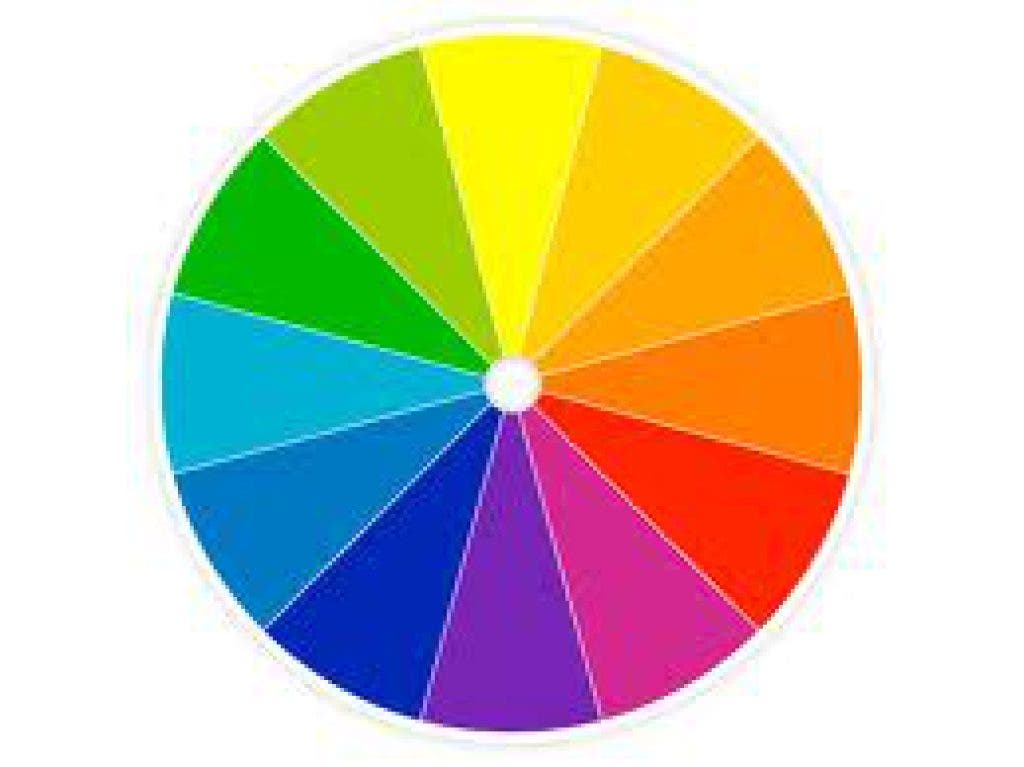
So you’re ready to put color on your walls, but how do you know which colors go best together?
Here are a few basic color schemes that will work for you. I hope this will demonstrate the basic color concepts that can help you build the perfect palette for your space.
First things first, determine whether a room is active or restful. This alone can help you decide the type of color scheme you should go with, as a rule of thumb that is.
Find out what's happening in Cranberryfor free with the latest updates from Patch.
While there are more than just two types of color schemes, it is best to work with complementary or analogous schemes. These types of color schemes are the easiest to create and work well in any home.
Complementary colors work best in active spaces. Active spaces are kitchens or any area where you want to create a feeling of energy. Complimentary colors are found directly across from one another on the color wheel. These include red and green, purple and yellow, and blue and orange.
Find out what's happening in Cranberryfor free with the latest updates from Patch.
Analogous colors work best in restful spaces. These colors are found next to one another on the color wheel. These pallets are often muted tones in appearance. These work best in spaces such as a bathroom or bedroom. Some examples of these schemes include red and orange, and green and blue.
Once you have selected which colors you’ll use, you need to know how often to use each color in order to create a balance. Most designers rely on the 60-30-10 rule. This is where 60 percent of the room reflects the dominant color, 30 percent uses a secondary color and 10 percent uses a décor or an accent color.
Here is a quick tip to remember this rule as a business suit:
60 percent of the color is in the pants and jacket.
30 percent of the color is in the shirt.
10 percent of the color is in the tie.
When you are outing together your complementary or analogous color scheme, its best to decide on three different colors. Your dominant color should be the overall interior of the space or room. Your upholstery or cabinetry should reflect your secondary color. This will leave your 10 percent to accessories, such as pillows and picture frames.
Now that we understand how color schemes work, it’s time to pick a point on the color wheel to start.
Nature is a great place to look for color inspiration. Take a walk through your favorite neighborhood or flip through photos of your favorite places to visit. Drawing inspiration into your paint selections is a great way to create and establishes an overall mood or feel in any space.
Finally, have a plan before you begin your painting project. Know what colors of paint are going where. Trust me, this is important.
And remember to be confident in your interior paint schemes—and think about the appearance and atmosphere of the room first.