Crime & Safety
Bear Sighting Reported By Residents In Doylestown Township
The bear was seen around 9 p.m. on Thursday night, according to the Doylestown Township Police Department.


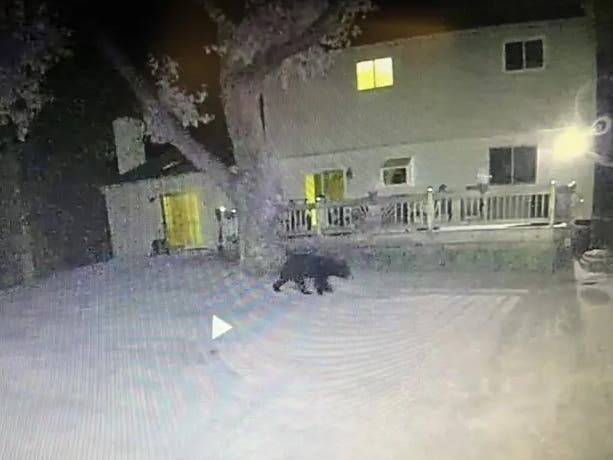
DOYLESTOWN TOWNSHIP, PA — A bear was spotted Thursday night foraging in the area of Edison-Furlong Road near Woodcrest, according to Doylestown Township Police.
The sighting by local residents prompted the police department to issue a Crimewatch notification Thursday evening.
"At 9 p.m., a bear was spotted by several residents ... The game commission has been advised."
Find out what's happening in Doylestownfor free with the latest updates from Patch.
It is the latest bear sighting in Bucks County.
Just after midnight on Wednesday, Warminster Township Police responded to the 1200 block of Mearns for the report of a black bear not far from the Warwick Township border.
Find out what's happening in Doylestownfor free with the latest updates from Patch.
Police said that anyone who sees the bear should call 911 immediately.
Bear sightings were also reported by residents and first responders on Wednesday in the Trevose and Feasterville areas.
The first bear sighting was reported in Upper Makefield in the Lurgan Road area of the township a few weeks ago. That bear was later captured by the Pennsylvania Game Commission in Newtown and relocated to Berks County.
Here are some information and tips from the Pennsylvania Game Commission on black bears:
- Pennsylvania's bear population has been increasing for decades, and at the same time, many people have moved into the areas where bears reside. As a result, bears and people are coming into contact more than ever. Most of these encounters occur when bears learn that there is easy-to-obtain food where people live. Learning about bears and being aware of their habits is important for people who live in bear country, which includes most of the state.
- In Pennsylvania, bears mate primarily from early June to mid-July. Males are very aggressive towards each other at this time. Sows give birth in January to litters of one to five. The newborn cubs are blind, toothless, and covered with short, fine hair that seems to inadequately cover their pink skin. Cubs begin nursing immediately after birth and are groomed and cared for daily by the sow. Nurtured with the sow's rich milk, they grow from as light as 10 ounces at birth to as much as 10 pounds by the time they leave the den in early April. Males do not help rear young.
- Bears may be on the move at any time but are most active at dusk and dawn. Bears are omnivorous, eating almost anything, from berries, corn, acorns, beechnuts, and even grass, to table scraps, carrion, honey, and insects. During late summer and fall, black bears fatten up for winter hibernation. At this time they may actively feed for up to 20 hours a day, ingesting up to 20,000 calories. Intentionally feeding bears is against the law in Pennsylvania. It is also against the law to put out any feed, for any wildlife, that is causing bears to congregate or habituate to an area.
Read More About Bears: Living In Pennsylvania With Black Bears
Get more local news delivered straight to your inbox. Sign up for free Patch newsletters and alerts.