Politics & Government
Forest Hills Facing Animal Control Issues
Forest Hills Council attracts attention from animal rights groups as it looks for ways to control wildlife.
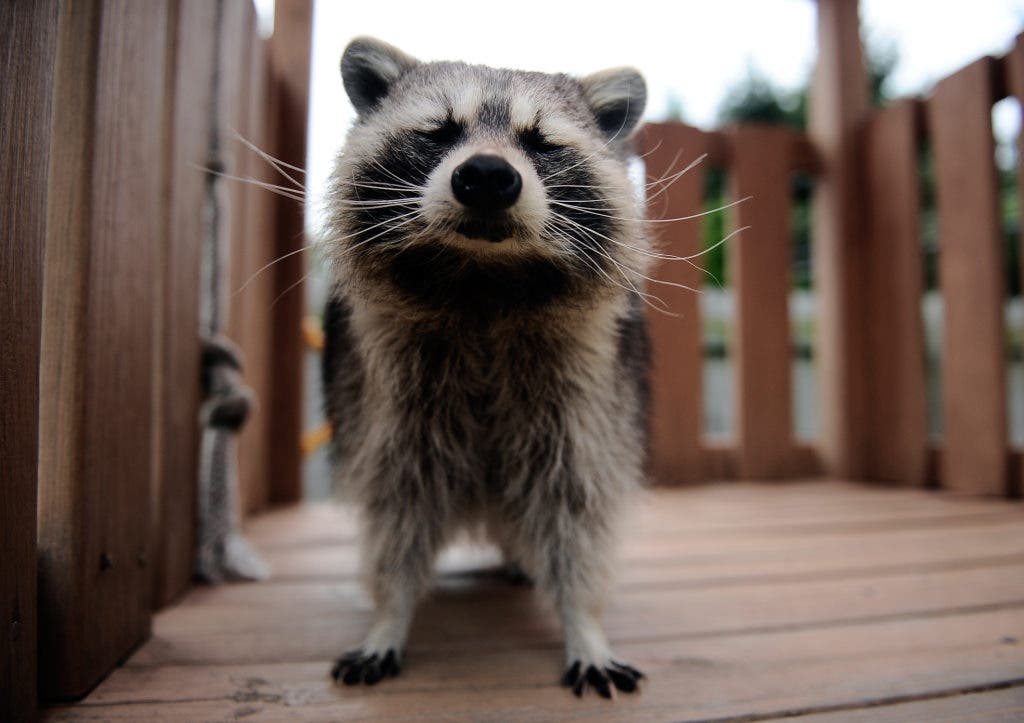
As Council looks to address residents’ complaints about skunks and raccoons, groups advocating for the humane treatment of animals are pushing to prevent a program that would trap or kill them.
During a regular meeting Nov. 16, councilman Bill Tomasic made mentioned that the Public Safety Committee, which he heads, would be reviewing the control of “nuisance animals” after receiving complaints. Two residents spoke against trapping animals at that meeting, and council has since received letters from groups condemning such programs.
Most of the complaints concern raccoons, though skunks and feral cats also have been sources of worry for residents.
Find out what's happening in Forest Hills-Regent Squarefor free with the latest updates from Patch.
Tomasic said last week that council is in the early phases of assessing the issue and hasn’t decided whether it will enact a formal trapping program.
“We have not moved on it,” Tomasic said, adding that council’s main concern is residents’ safety. “I’m sure that it will soothe the animal lovers—the approach that we take.”
Find out what's happening in Forest Hills-Regent Squarefor free with the latest updates from Patch.
In a committee meeting last week, council discussed the issue and agreed to contact a representative from the Humane Society of the United States to discuss other control methods.
In a letter dated Dec. 1 that is addressed to council President Frank Porco and council members, Laura Simon, a Connecticut-based field director for HSUS, writes that trapping raccoons is a poor solution, as it doesn’t address what is attracting them in the first place.
Rebecca Reid, a North Side resident who works with Humane Options Pittsburgh, agrees with Simon. HOP sent council two similar letters last month.
Reid attended council meetings Nov. 19 and Dec. 1, but did not speak because she isn’t a Forest Hills resident. HOP became interested in the issue after residents contacted the group, she said.
“They seem to be willing to work with HSUS, which is really positive,” Reid said. “I’m pleased with the outcome.”
Reid describes trap-and-kill programs as “knee jerk” responses that don’t account for reality.
The City of Pittsburgh, for instance, traps and removes more than 2,000 wild animals each year, according to its website. The problem hasn’t abated, Reid said, and the effort amounts to little more than a futile gesture and a waste of taxpayer money.
“It’s not changing the situation to start with,” Reid said. “The numbers aren’t going down. They have as many complaints now as they did 10 years ago.”
Reid said the responsibility for dealing with raccoons ultimately falls on residents. Raccoons come onto property seeking food, prying open loose or easily removable garbage can lids.
The problem is that bungee cords—even bricks—often fail to stop them. Reid suggests “critter-proof” garbage cans, which range from $25 to $45. Motion-sensor lights also can deter animals.
If that doesn’t work, placing ammonia-soaked rags around the area usually keeps animals away, she said.
“We live in a bad economy,” Reid said, admitting that her proposal is a tough sell for council members. “But, what I’m saying is the alternative you’re posing is not going to work.”
As a rule, Reid avoids discussions about animal rights while working with governments. Animal rights activists battle the perception that they’re “touchy-feely urbanites,” Reid wrote in a letter to council, and their practical viewpoints often are discarded.
One of those views is that trapping programs counteract an Allegheny County that distributes a vaccine bait.
Rabies-infected animals tend to be sluggish, Reid said, and traps are more likely to attract healthy raccoons, some of which may have eaten the vaccine. A smaller percentage of raccoons are genetically resistant to rabies, and trapping them makes future populations more susceptible.
While raccoons typically die from the disease, the U.S. Centers for Disease Control has recorded just one human death from raccoon rabies, according to its website. That death occurred in Virginia in 2003, and the victim could not recall having come into contact with a raccoon.
It’s a fact often overlooked, Reid said. Raccoons have been a part of the wildlife for a long time, she added, and the only way to deal with the problem is to eliminate household trash from their food supply.
“It’s not called Forest Hills for nothing,” Reid said. “It’s surrounded by woods. There are going to be animals in there. You can’t trap out an entire population of wildlife.”