Community Corner
Understanding Metabolism
Learn how food reacts in our bodies, depending on what, and how much we eat.
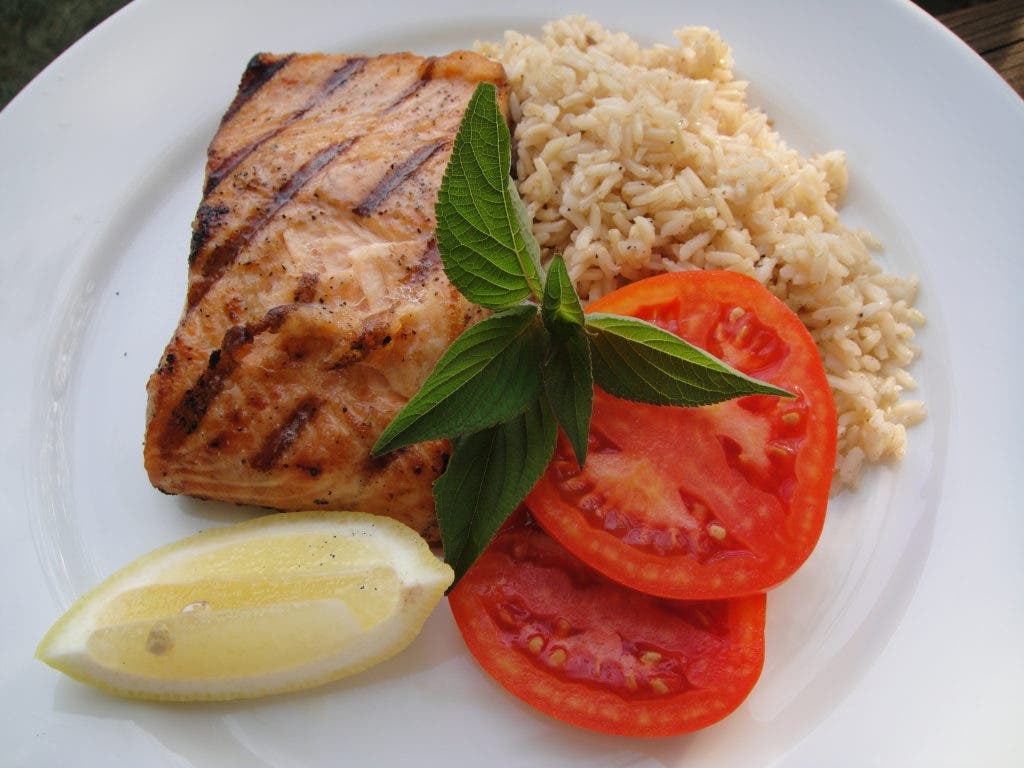
Most people have difficulty losing weight because they don’t know how food reacts in their bodies.
Sure, exercise is essential if you’re looking to shed a few pounds, but the quality and quantity of food that is eaten also plays a vital role in weight loss and overall health. All food is converted to sugar when it is consumed. This sugar, or glucose, is fuel for our bodies and helps our muscles and brain work. Some foods turn to sugar faster than others after they are eaten. These are the foods that should be eaten sparingly.
The foods that have a high glycemic index and that turn to sugar instantly in our bodies are:
Find out what's happening in Forest Hills-Regent Squarefor free with the latest updates from Patch.
Pastas
Breads
Find out what's happening in Forest Hills-Regent Squarefor free with the latest updates from Patch.
White rice
Alcohol (see below)
Sugar, and anything containing sugar, i.e., candy bars, processed foods, soda (1 can contains 8-14 teaspoons of sugar), and potatoes, all pastas, and white rice.
These foods contain empty calories; which means calories that have very little, or no nutritional benefits for our bodies.
The above foods are also known as simple carbohydrates - foods that are broken down quickly into sugar.
Now, the problem with simple carbs, is that if the sugar isn’t utilized, or burned by our bodies immediately, the excess calories are stored as fat.
Complex Carbohydrates:
Complex carbs take more time to be converted into energy, thus releasing a slower, more sustained level of glucose (sugar) into our bodies. Consuming complex carbs, with the combination of a small amount of protein and vegetables, is the ideal way to eat. Some examples of complex carbs are:
Beans and legumes
Whole wheat and brown rice pasta (in very small quantities)
Brown and wild rice
Whole grain breads (one to two servings per day max)
Vegetables (minus corn which has no nutritional value)
Alcohol:
Alcohol is loaded with calories. If you want to have a few drinks each week, try a glass of red wine, light beer, or a vodka and soda. Stay away from drinks made with mixers, like rum and cokes, long island iced teas, or manhattans.
Quantity:
Instead of eating two or three large meals a day, it is better to eat five or six smaller meals. Once again, we’re trying to provide our bodies with a more sustained release of energy or calories throughout the day. If you eat, for example, a large dinner including three pieces of pizza, two sodas, and a dessert, your body has to work overtime to deal with the surge of sugar.
The influx of sugar causes our bodies to be flooded with insulin (which pushes the glucose into our cells for energy). Excess insulin causes high blood pressure, high cholesterol, and heart disease.
When you sit down to a meal, try to imagine what is happening in your body as you eat. I know understanding metabolism can be complicated; it took me years of reading to grasp it.
Each meal should contain two to three ounces of good quality protein. You also need some complex carbohydrates for energy; approximately one to three ounces per meal. Eat as many veggies as you like - just remember to stay away from corn and potatoes.
Here is an example of what you may eat during a typical day:
8 a.m.
1 piece of whole wheat toast
One to two ounces ham, turkey sausage, or boiled egg
One cup of coffee or tea with a small amount of cream
10 a.m.
10 to 12 raw almonds
½ cup cottage cheese
8 ounces water
1 p.m. Lunch
1 grilled chicken breast (4 ounces)
½ cup brown rice with 1 teaspoon olive oil
1 serving, 3-4 ounces green leafy vegetables
8 ounces water
3 p.m. snack
Rice cake with 2 tablespoons of almond, or peanut butter
1 piece of fruit
6-7 p.m. Dinner
4-5 ounces grilled or baked fish, chicken, turkey, or lean ground meat
½ cup 3-bean salad with olive oil and vinegar
Sautéed, grilled or steamed veggies
8 ounces water
9 p.m. snack
½ cup of brown rice with ½ cup low-fat milk with Splenda with raisins and cinnamon- heat in microwave for 1 minute
Additional Points to remember:
Avoid drinking juice with meals- too many calories, substitute tea, coffee, or water.
Water! Drink as much as you can. Water helps your body work efficiently, and flushes toxins out. Eight, 8-ounce glasses a day is ideal.
Don’t try eliminating all the bad stuff at once. For example, the first week - cut down on your sugar intake. On the weekends, allow yourself a small treat from time to time.
White bread and pasta is going to be the most difficult to do without. At first, cut your portions by half for the first few weeks, with the goal of eliminating them totally. Eventually, you will be able to eat whole wheat or brown rice pasta in small quantities.
SALT is bad! Salt causes hypertension. Instead of salting your food, use herbs and lemon juice to enhance the flavors.
Moderation:
You’re going to have to take things slowly. Right now, your body expects simple sugars for energy. Eventually, you will be able to get the same energy lift from complex carbs, but it will take several weeks. You may experience headaches, frequent urination, and sleeplessness as you come off the sugary foods; eventually you will feel much better as your body becomes accustomed to your new way of eating.
Chef Kerber of Swissvale is the owner and executive chef of Chaz Catering LLC, and specializes in all types of gatherings as well as nutritional coaching. His clients include private individuals, professional sports figures, and corporate entities.
Check out his personal blog and website at www.pittsburghhotplate.com.