Community Corner
Gardening: Top 4 Perennials
Find out which perennials will thrive and look best in your flower bed.


Some perennials do better in the Philadelphia area than others.
Patch asked Peter Brindle from in Wayne for the best perennials for the growing zone that includes southeastern Pennsylvania.
Caradona or Salvia: This perennial sprouts spiky flowers in the early summer with a deep violet-blue color with unusually dark stems. This flower needs full sun and can tolerate heat and humidity. It can work well as a border along a path or in potted on patio areas. It thrives in dry or moist soil. It attracts both butterflies and hummingbirds.
Find out what's happening in Haverford-Havertownfor free with the latest updates from Patch.
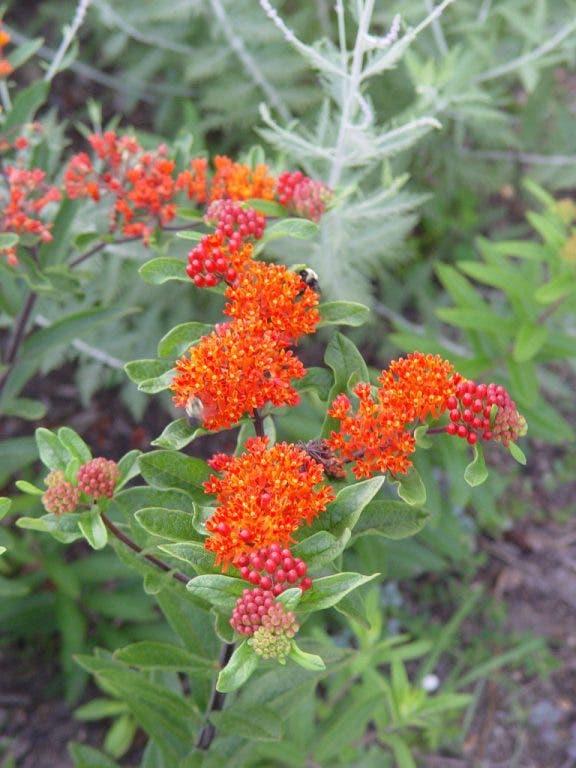
Butterfly Weed or Asclepias Tuberosa: This brightly colored plant is a butterfly magnet. It is sometimes called milkweed because it produces a milky sap when cut. It grows best in nice exposure to sun or partial shade and in almost any soil. It does not tolerate a heavy soil. The flower colors are orange, red and yellow. But the plant will not flower freely until well established and once established, do not disturb butterfly weed unnecessarily.
Baptisia or Australis: This plant is also called “blue false indigo” for the dye made from the blue flowers. Baptisia is a member of the pea family with clover-like leaves with a blue-green coloring. The pea-like blossoms start as plump, tight buds. The flowers are a vivid blue, often with flecks of cream or yellow. Baptisia needs at least six hours of full sun. It looks attractive when placed near peonies, iris, salvia and alliums. It only blooms once in early summer. Baptisia thrives in a dry soil and requires very little maintenance.
Find out what's happening in Haverford-Havertownfor free with the latest updates from Patch.
Red Hot Poker or Knippofia: This plant is very low maintenance and has colorful, spiky, wand-like flowers that hummingbirds love. Once established, these Red Hot Poker plants can also manage drought, but thrive when supplemental water is added. Kniphofia are generally not recommended for containers because mature plants grow into large clumps that often measure 2-3 feet across.
Which perennials have you had the most success with? Tell us below in the comments.