Health & Fitness
Positive West Nile Samples In 10 Delaware County Communities
Several Delaware County communities have mosquitoes that tested positive for West Nile Virus in the most recent results.


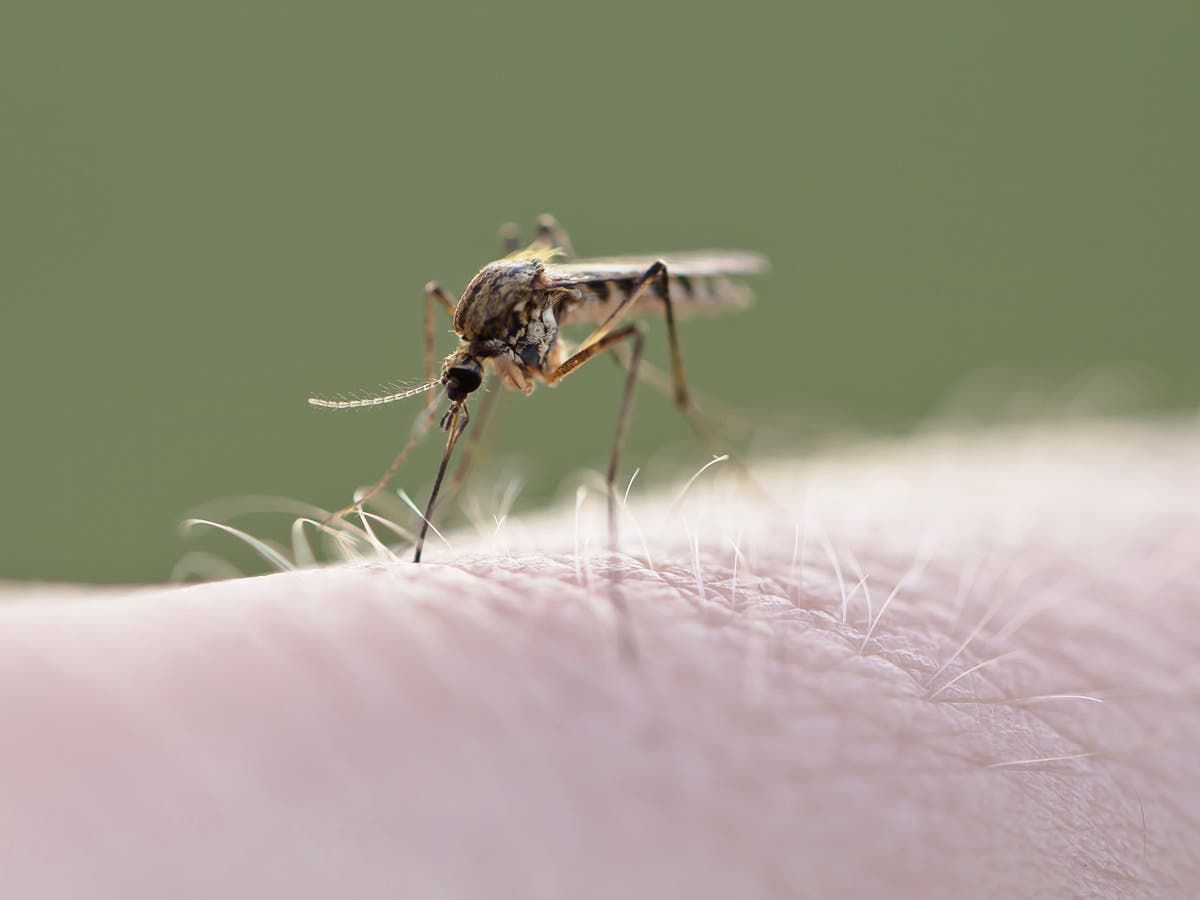
Several Delaware County communities have mosquitoes that tested positive for West Nile Virus in the most recent results, state officials announced recently.
The following towns had positive samples Monday and Tuesday, the Pennsylvania's West Nile Control Program announced:
- Aston
- Brookhaven
- Haverford
- Lansdowne
- Radnor
- Ridley Park
- Upper Chichester
- Upper Darby
- Upper Providence
- Yeadon
The testing is done as part of routine surveillance for the virus. Mosquitoes are trapped around the county in breeding areas and are tested daily.
Find out what's happening in Haverford-Havertownfor free with the latest updates from Patch.
2018 has been a comparatively quiet summer for West Nile Virus in the county until now, with only a small handful of positive samples in the greater Philadelphia area, according to Pennsylvania Department of Health records.
The risk of being infected with West Nile from a mosquito is very low, officials said, but residents are still urged to take simple precautions, like using repellent and removing standing water from their property.
Find out what's happening in Haverford-Havertownfor free with the latest updates from Patch.
West Nile Virus typically causes fever but can lead to neurological illness in extremely rare cases.
The following guidelines have been offered to help residents minimize their risk:
- Limit outdoor activities at dawn and dusk during warmer months since most types of mosquitoes bite most frequently during these times. Be aware though that some types of mosquitoes bite most frequently during the daytime.
- Wear long-sleeved shirts and long pants, and socks. Choose clothing that is light colored and made of tightly woven material.
- Stay in places with air conditioning and window and door screens to keep mosquitoes outside.
- Sleep under a mosquito bed net if you are overseas or outside.
- If you choose to use insect repellents, use Environmental Protection Agency (EPA)-registered repellents with one of the following active ingredients: DEET, picaridin, IR3535, oil of lemon eucalyptus, or para-menthane-diol.
- Cover or empty containers such as trash cans, wading pools, wheelbarrows, and pots.
- Turn containers upside down when not in use so they don't collect water.
- Drill holes in the bottom of recycling containers.
- Get rid of old tires.
- Change the water in bird baths every three to five days.
- Check storm drains, window wells, and underneath leaky faucets for standing water.
- Clean roof gutters every year.
- Aerate and/or stock ornamental ponds with fish.
- Keep swimming pools clean and chlorinated. Make sure that water does not gather on swimming pool covers.
- Treat a pool of standing water that cannot be drained with Bti products. Bti is a naturally-occurring bacterial product that kills mosquito larvae and is safe for people, pets, aquatic life, and plants. You can find these products at local lawn and garden supply stores.
- Make sure that window and door screens fit tightly to keep mosquitoes out of your home.
- Run electric fans nearby when spending time outdoors. Mosquitoes have trouble flying in strong winds.
Replace outdoor lights with yellow "bug" lights, which tend to attract fewer mosquitoes.
Image via Shutterstock
Get more local news delivered straight to your inbox. Sign up for free Patch newsletters and alerts.