Health & Fitness
Home Gardening: Planning Raised Beds for Garden Success
If you have ever considered building raised garden beds, you need to read this posting. This information can help you plan the garden for this spring and summer.
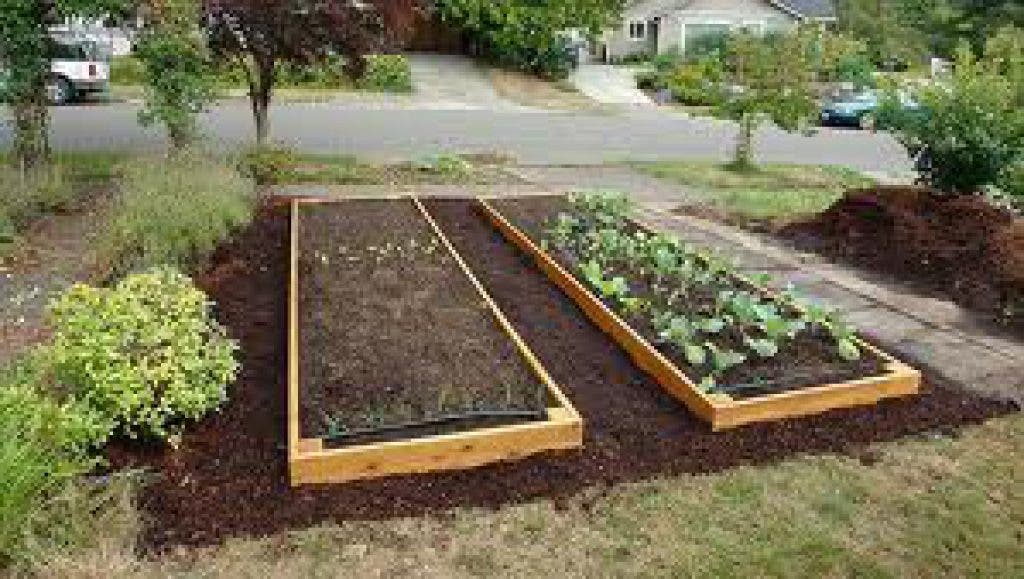

If you are considering putting in raised garden beds here is some basic information to help you start the design process. You should start planning now, even if you are not building them for another month. First, let's consider the decision to make them:
There are several positives to gardening in raised beds.
- It is much easier to weed around your plants;
- the soil warms faster in spring and drains quicker after a rain;
- soil does not get compacted as you don’t step on it during the growing season;
- if you have any sort of knee or hip problem it is easier to care for raised beds (not so far to bend), and
- soil space is more fully utilized if you grow plants in a raised bed.
The negatives are the time it takes to construct them and the costs for raised bed materials. I have both styles at my house—raised and flat beds—but I prefer raised beds for my vegetables.
Find out what's happening in Hellertown-Lower Sauconfor free with the latest updates from Patch.
It is important to choose a sunny spot that gets at least 6 hours of direct sun every day. Don't pick shady spots for gardens. The beds should not be wider than four feet—some people recommend three feet. I think 3.5 feet would be a great compromise. You can lay down a thick mat of newspapers on the grass to kill it before putting in. You would need to do this at least a month before starting the bed. I dug out the grass one strip at a time, which was a lot of work and took many hours.
Once you get the beds built and planted you should not walk in the bed—that will compact the soil, removing air and stunting plant growth. Work from the area around your beds. I suggest a minimum of two feet between beds—three is even better. If you are leaving grass between the beds, make sure it is wide enough for the lawnmower to get through. I like to use wood chips instead of grass in those between-the-bed paths myself.
Find out what's happening in Hellertown-Lower Sauconfor free with the latest updates from Patch.
There are a number of ways to build them, including using 2 x 10 pine boards nailed into a rectangle and held together with rebar posts driven in every few feet, or purchased metal or plastic connectors. Other choices include making them out of cement blocks, bricks or even sandbags. I have seen pictures of raised beds made of logs and of woven wood, which look very attractive. The downside to the fancy woven wood is that I bet it rots out much faster than boards and takes a lot of time and a ton of fresh tree branches! Just be sure you do not use pressure-treated lumber if you build beds from boards. It will put nasty chemicals into your garden bed that you will not want there. Ditto for railroad ties. Pine can last several years, and oak or redwood longer still. Plastic, brick, metal or cement will last many years.
And there are kits you can buy to create raised beds. Look in any number of gardening catalogs and you will find many choices. Some are all plastic and some are just the connectors to which you add the lumber sides you purchase locally.
If you are making the bed for a disabled person, you can make the sides higher than 10 inches. I have even seen raised beds on legs in some yards. They are basically a deep box of soil on 2 x 4 legs.
You don’t have to have a raised bed to garden, but it does help. I find that my vegetable garden is more productive, with less weeds, and it is just more enjoyable. When I built those raised beds I dug out the grass and made the wood frames right where the bed was planned, and then shoveled up the dirt to form a bed. Be sure to level the sides of the bed before you fill it with soil. It might be smart to put a layer of gravel in the bottom of each bed to improve drainage. You can supplement the soil bed if it is low; peat moss is a great supplement, as is composted manure or bagged compost. Supplements add nutrients and loosen the soil, which is great for your plants. Be sure to mix them in evenly—don't bury them low in the bed. Soil supplements can be purchased at Neighbors, Tilly’s Nursery, Lowe's or Home Depot.
You could build one this spring and add another in the fall. There's no need to do them all at once if time or money is an issue. Just get started with one bed. Mark out the location with some stakes and string and be sure to leave that wide space between beds for easy access.
It is warming up, and it will be a great weekend for planting onion sets, lettuce, spinach and other greens. If you didn’t get your peas in, now is the time for sure. Good gardening!