Health & Fitness
Home Gardener: Get Educated on the Dangers to Honey Bees
Honey bees are vital to our national economy and to our food stream. Read up on the dangers to them and what you and your friends/family can do to help.
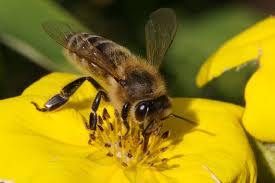
I am writing about this because it is really a big problem but one we seem to be ignoring for the most part. A comment someone wrote on a recent blog post of mine set me to thinking and researching this issue. Hence this important topic is my home gardener posting this week.
We have been hearing for several years about the honey bees declining; of winter die-offs where entire hives have been found empty, the honey bees never to return. Scientists have puzzled over it since 2006 and come up with a number of theories. Some scientists call it colony collapse disorder. This is a catch all name for the disappearance of up to one third of all the honey bee hives in our country. But the general consensus is that there are likely several factors that come into play here, an invasive parasitic mite, a growing lack of flowers (lack of bee food), dangerous chemicals that are sprayed on lawns, gardens and many crops, recently created potent pesticides sprayed on seed even before it is planted and a dangerous virus that affects the immune system of honey bees. So there is a lot to learn about. For additional and more detailed information check out http://www.nrdc.org/.
Let me get a little technical here for just one paragraph about one of those causes I list above. Neonicotinoids are a new class of systemic neurotoxic pesticides and include imidacloprid and clothianidin. They are treatments applied to seeds before they even get planted. They do not dissipate rapidly but can remain in the soil for years and are assimilated into the plant even into its nectar that bees feed on. This sort of seed pre-treatment started about the time bees began to die off and has increased five fold since 2006. It can be categorized as pervasive which means such pesticides are everywhere. They are thought to be a big factor in bee die off. A good resource to read more on this is www.panna.org. I tried to provide a brief bit of slightly technical information for you but there is a lot out there which you can read if you have an interest in knowing more.
Find out what's happening in Hellertown-Lower Sauconfor free with the latest updates from Patch.
Some people say this is not important unless you are a lover of honey. An attitude like this is way off base. The sad truth is up to 15 billion dollars worth of crops may be lost if honey bees continue to die. Many, many fruits, vegetables and nuts are pollinated by honey bees. The list is long but here are a few I wager many of you enjoy: almonds, apples, grapes avocados, cherries, all citrus like oranges, lemons, limes, tangerines and grapefruits. Also: blueberries, plums, peaches, raspberries, all melons and strawberries. Veggies like carrots, asparagus, broccoli, celery, cucumbers, squash and cauliflower. Other affected crops: peanuts, soybeans, sugar beets, alfalfa (eaten by horses). This is a very short version of what in reality would be a devastatingly long amount of vital crops that are pollinated by bees and would thus begin to decline and fail without said pollination. I don’t know about you but I love eating fruits, vegetables and nuts. I can’t live without them. This is a seriously important topic.
You say, “So, what can I do?” Lots, you can tell your lawn company you no longer want things like Safari sprayed on your grass. Ask your neighbors to do the same; explain why and hopefully they will see the logic in your request. You can buy organic fruits and vegetables. If more people do it maybe there will be less chemically treated fruits and veggies. You can write your legislators complaining about the dangers of these lawn chemicals and of the dangers in these neonicotinoids pesticides to humans especially children and to your pets not to mention the bees that help produce so much of what we enjoy eating. You can tell everyone you know about the dangers of these pesticides so they do the same things as you to avoid them and to communicate this issue to everyone they know.
Find out what's happening in Hellertown-Lower Sauconfor free with the latest updates from Patch.
Governments in Italy, Germany and France and a number of other countries have taken action against neonicotinoids in order to protect their bee population and that is already having a positive effect upon the bees in terms of recovery. We need to have a massive civilian outcry in the US to get these dangerous chemicals out of use in our country. Before we lose the almonds, strawberries and carrots you love to eat along with hundreds of other produce items you eat or that our pets and many animals like horses enjoy in their meals. It is not just about honey or pollinating my flower garden. It is about our food supply for everyone and our pets and livestock. So spead the word and get busy as a bee!