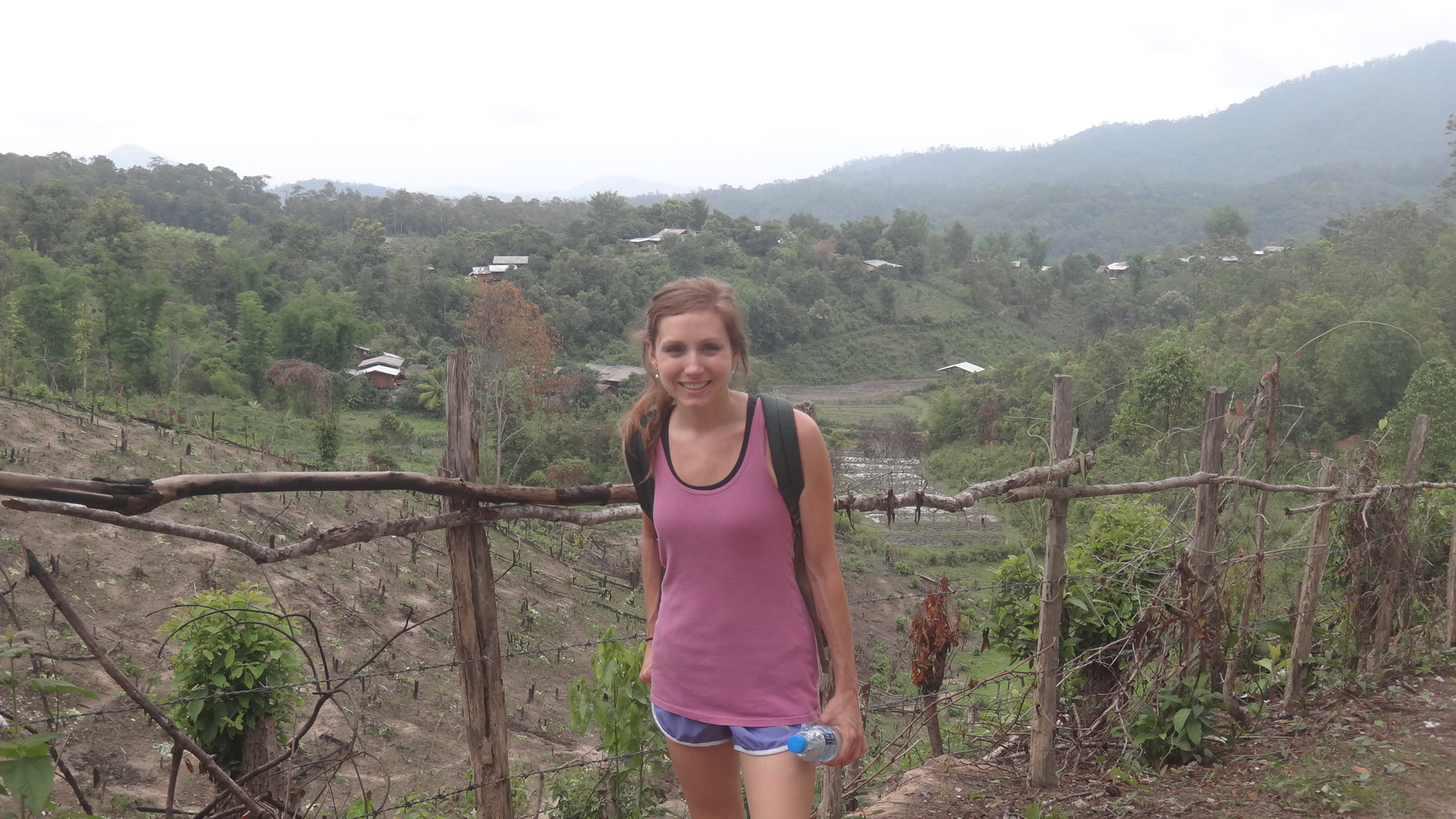

It’s been a just two weeks now since I’ve been back from Thailand and wow… what a trip! I experienced so many unique things which helped me learn a lot about the Thai culture, the sex industry, and even myself. Unlike other trips I’ve been on in the past, responding to the question “How was your trip?” isn’t as simple as “Fun! Fantastic! Amazing!” While I certain enjoyed myself, this opportunity was just so much more than that. As the trip was coming to an end, I had mixed emotions: I was sad that something I had been looking forward to for so long was soon going to be over; yet, I couldn’t wait to get home and spread the word about all I had learned.
The problem of the sex industry in Thailand is way more complex than I had ever imagined. We all have heard of things like the red light district and human trafficking, but in Thailand, the sex business is deeply culturally engrained. For generations, Thai males have grown up lacking positive role models. Alcohol problems, abuse, cheating, and other less-than-desirable qualities and behaviors are sadly more of the norm than the exception. Having never been exposed to another way to act, the pattern continues. As a result, females are expected to be the main providers for the family.
To fulfill this role, girls feel pressured to enter the sex industry. Being a “bar girl” is the highest paid job available for someone with a low level of education so while the women don’t necessarily want to be there, they don’t see another alternative. And because it’s so commonplace, communities just turn a blind eye.
Find out what's happening in Hellertown-Lower Sauconfor free with the latest updates from Patch.
Another implication of these cultural factors is that there is a growing population of ladyboys – males who are raised as females and living at any point on the gender spectrum between dressing in women’s clothing and undergoing surgical procedures to become a biological woman. This is due to a number of factors but often the mother chooses this path for her son to either avoid raising another “typical” Thai male or because she has no daughters to provide for the family. Ladyboys also frequently enter the sex industry for the same reasons as the girls.
Feeding into the problem, the demand for sex workers is incredibly high: sixty percent of the Thai national income is from tourism and seventy percent of that comes from the sex industry! Furthermore, seven out of ten male tourists to Bangkok will engage in some sort of sexually "illicit" activity.
Find out what's happening in Hellertown-Lower Sauconfor free with the latest updates from Patch.
So what does this all mean? Is there really anything we can really do to help or is just this a hopeless cause?
Well, I wrestled with that very question quite a bit before, during, and after my trip and came to a few conclusions. First, we won’t be able to solve the problem in a ten-day mission trip, but we can make a difference. For example, we did outreach in the red light districts of Bangkok, going into the bars and simply chatting with the bar girls about their lives and dreams. Did it feel like we were changing the world? No. But that may be the only interaction those girls had that night that wasn’t based on sex. As a testimony to what that can mean, a few girls who previously went on this trip returned to the same area this time. Although it had been over a year, several of the bar girls they had chatted with for just one night recognized them and excitedly called out their names as they headed over to say hello.
Secondly, no cause is hopeless when you approach it from a place of love. As Jim Larsen – one of the founders of The Well – said, if you are driven to act by your anger and hatred for evil, sooner or later you’ll burn out. But if you consider it your goal to spread love, you will always be making a difference. I met many selfless and inspiring servants on this trip who are motivated by the desire to spread love. Take Cori Wittman – a woman from the church that organized this mission trip who just a few years ago gave up her DC career to pick up and move to Thailand. She works for The Well out in a small village in the northeast corner of Thailand where we spent five days serving the community. Still in her late twenties, she is raising twelve high-risk teen girls while balancing several other roles in the community from worship leader to English teacher to child advocate to sugar cane farmer. Or take Michael Killar – a fellow Saucon graduate (class of 1993) who now lives in Bangkok with his wife and kids. They run Samaritan Creations, a non-profit dedicated to giving bar girls education and hope.
But it doesn’t require a move quite that dramatic to make a difference; we can all be a part of changing future generations. Spreading the word is a start – we can all tell others about the problems of the sex industry to increase awareness. Beyond that, we can strive to adopt a posture of love in all of our interactions. This starts with our own families and communities but must also extend to the broken and those often overlooked by society. This includes bar girls, ladyboys, men seeking to fill a void in their lives by paying for sex, but also the homeless, addicts, people living with HIV/AIDS… the list goes on and on.
When you return from most trips, you print out your photos, distribute the souvenirs and that’s where the story ends. But I truly hope this time is different – I hope I continue to learn and grow and never lose sight of the optimistic perspective that this trip inspired and I hope you’ll join me there!