Politics & Government
Residents Warned Not To Feed Wildlife In Hatboro
Hatboro officials said residents should not approach or feed wildlife they may see around their homes and neighborhoods.


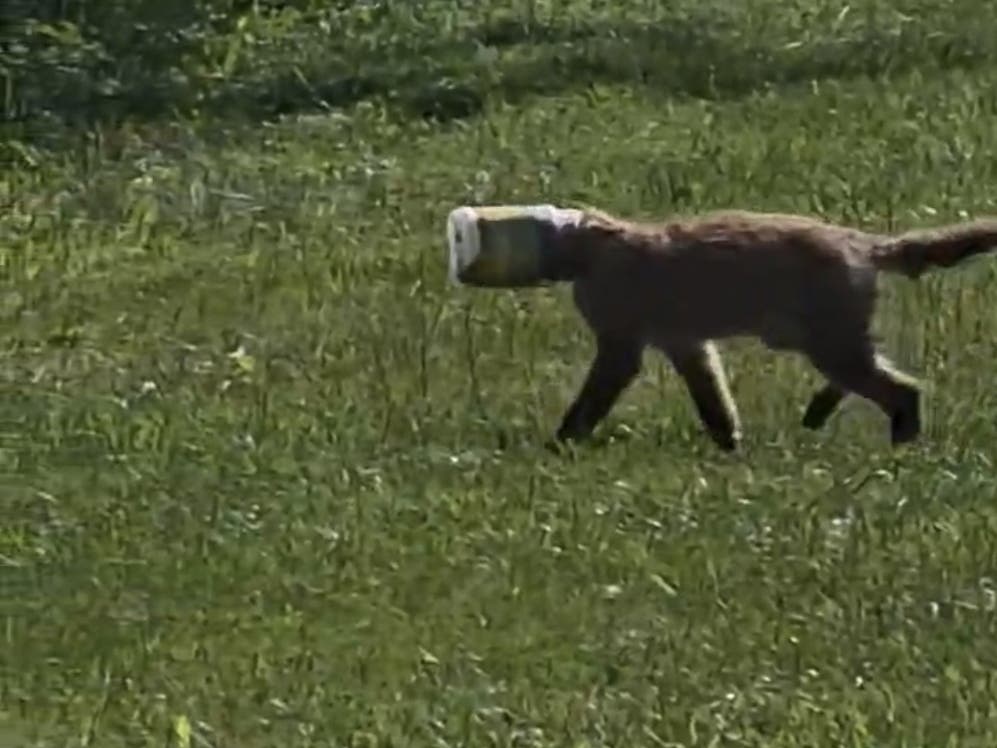
HATBORO, PA — It happened in another town, but the point was clear.
Last week, a fox in Bucks County got a peanut butter jar stuck on its face. The jar was luckily removed from the critter without injury by public works employees.
With the weather getting warmer, borough officials are warning residents not to approach or feed wildlife they may see around their homes and neighborhoods.
Find out what's happening in Hatboro-Horshamfor free with the latest updates from Patch.
"Feeding wildlife is generally discouraged because it can harm animals, disrupt natural behaviors, and pose health risks to humans," borough officials said.
Officials provided a list of why feeding wildlife is harmful:
Find out what's happening in Hatboro-Horshamfor free with the latest updates from Patch.
- Feeding wild animals, even with good intentions, can lead to serious consequences.
- Wild animals have specialized diets, and human food often lacks the nutrients they need, which can cause malnutrition, digestive issues, or deformities such as "angel wing" in waterfowl (birds) when fed bread or processed foods.
- Feeding also encourages animals to congregate unnaturally, increasing the risk of disease transmission, including avian influenza, salmonella, distemper, and mange.
- Animals that become accustomed to human handouts may lose their natural fear of people, leading to dangerous encounters.
- Animals may approach homes, roads, or pets, increasing the risk of injury or death for both wildlife and humans.
- Juvenile animals may fail to learn essential survival skills, such as foraging for natural food, if they rely on human-provided meals.
- Feeding can also attract nuisance species like raccoons, deer, and mice, which can damage property and create conflicts.
Health Risks to Humans
Wildlife can carry parasites and diseases that affect humans.
For example, raccoons may carry raccoon roundworm, and animals like deer and raccoons can host ticks that transmit Lyme disease.
Handling or coming into contact with wildlife or their droppings increases the risk of exposure.
Safe Alternatives
Instead of feeding wildlife directly, support their natural habitats by:
1. Plant native trees, shrubs, and flowers to provide natural food and shelter.
2. Maintain clean yards and secure garbage to prevent accidental feeding.
3. Feed pets indoors and remove leftover food from barbecues and compost areas.
4. Observe wildlife from a distance to enjoy nature without interfering with their natural behaviors.
Get more local news delivered straight to your inbox. Sign up for free Patch newsletters and alerts.